
Roam raises local parts in e-bikes to 40pc

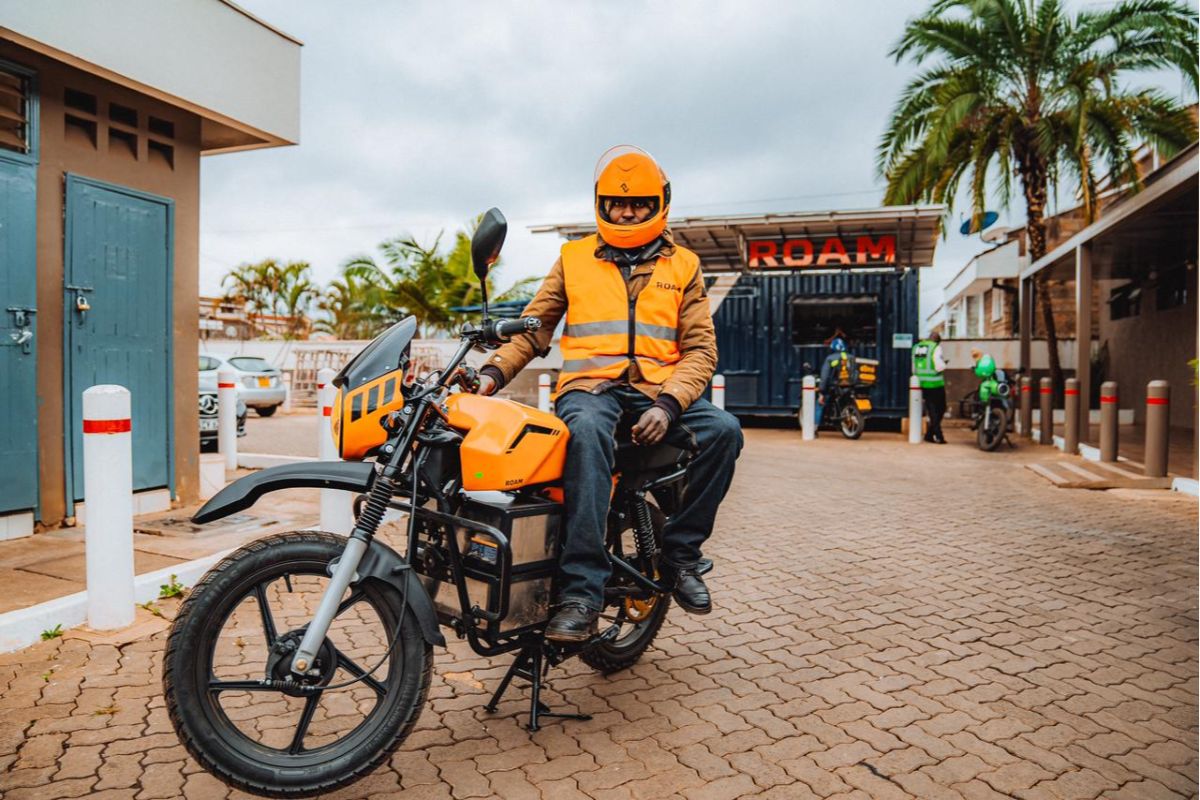
Electric motorcycle maker Roam has raised the share of locally made parts in its Roam Air model to 40 percent, cutting the time riders wait for spare parts from 18 weeks to two.
The company said more than 50 components in the motorcycle are now supplied by over 10 Kenyan and Tanzanian firms, with local content measured by value.
Roam now plans to raise the share to 50 percent by 2027, starting with local production of the motorcycle’s chassis.
The move comes ahead of new East African Community (EAC) rules that will require manufacturers to source more inputs from within the region from July 2027.

Cowlings and space tanks, which Roam previously imported from India, are now made locally, with a replacement space tank costing riders 40 percent less.
“Reaching 40 percent local content is a significant milestone for us, and we are proud of how far we have come. But this is just the beginning,” said Roam country manager Habib Lukaya.

“Our ambition is to get to a 50-50 balance, where half of the Roam Air is locally made, and half is sourced internationally.”
Mr Lukaya said the company would need to bring more components, including the frame, into local production and work with more African suppliers to hit the target.
For boda boda riders, faster access to spares means fewer days off the road.
“Every day the bike is not working is a day you are not earning,” said Fred Omoro, a rider in Ruaraka, Nairobi, who has used the Roam Air since 2022.
Riders outside Roam’s network are also buying the locally made parts, including helmets, side mirrors, rims, stands and electrical components.
Roam said it is designing the parts to fit other motorcycle brands in Rwanda, Uganda, Tanzania and Ethiopia, opening a bigger market for local suppliers.
The EAC Assembling and Manufacturing of Products Regulations, 2025, which take effect on July 1, 2027, will require manufacturers to draw up time-bound plans for sourcing goods made within the bloc and offer incentives for using regional inputs.
Kenya already requires motorcycle assemblers enjoying duty remission to source specified local parts under Legal Notice 112 of 2020.
A 2026 study by Siemens Stiftung on electric motorcycle assembly in Nigeria found that raising local content above 25 percent cut per-unit costs by about 41.3 percent, without hurting performance or durability.
The Kenya Association of Manufacturers (KAM) said the shift could help build the country’s manufacturing base.
“The focus now should be on moving further up the value chain and ensuring that the growth of e-mobility translates into broader industrial development,” said KAM chief executive Tobias Alando.
Kenya has been pushing to grow its electric mobility sector, with boda bodas seen as a key segment given their large numbers and high daily fuel costs.
Real ESG impact doesn’t happen in panels alone, it happens in the rooms where financiers, operators, and policymakers actually align. Our GreenShift Forum 2026 cuts the noise, bringing together the people rewiring Africa’s sustainability and energy frameworks for one focused day in Nairobi. Secure your seat.
Go to TECHTRENDSKE.co.ke for more tech and business news from the African continent and across the world.
Follow us on WhatsApp, Telegram, Twitter, and Facebook, or subscribe to our weekly newsletter to ensure you don’t miss out on any future updates. Send tips to info@techtrendsmedia.co.ke


