GSMA warns of AI divide as 3.4 billion remain offline

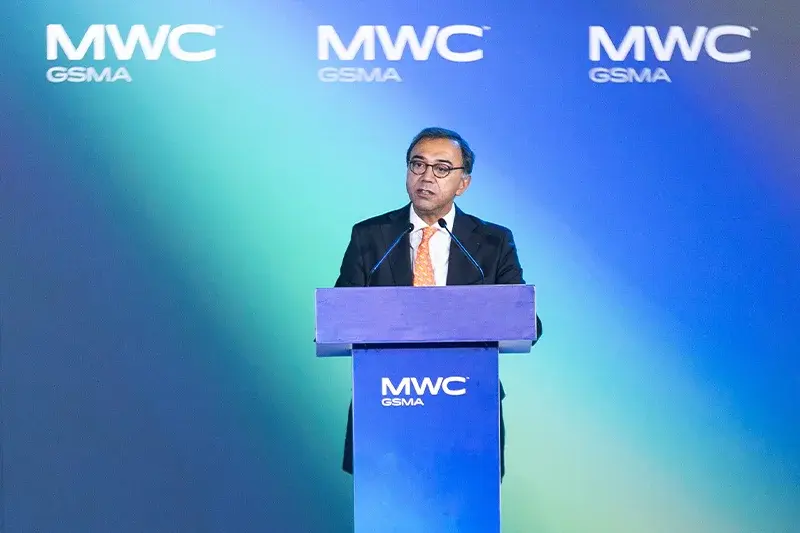
The GSMA has warned that the world risks a new divide between AI “haves” and “have-nots” unless urgent action is taken to make smartphones affordable for billions of people in low- and middle-income countries, including across Sub-Saharan Africa.
Launching its State of Mobile Internet Connectivity (SOMIC) Report 2026 in New York, the mobile industry body said more than 3.4 billion people still do not use mobile internet, despite more than 90 percent of them already living within mobile broadband coverage. Without affordable smartphones, the report said, this group will remain locked out of the benefits of artificial intelligence.
The GSMA flagged a sharp rise in the cost of smartphone memory and chipsets, driven by global demand for AI infrastructure and data centres, as a growing threat to digital inclusion. It said the increase is already feeding into entry-level smartphone prices, pushing internet access further out of reach for low-income consumers and threatening years of progress in closing the mobile usage gap.
Memory prices more than doubled between the third quarter of 2025 and the first quarter of 2026, before rising by a further 80 to 90 percent in the second quarter of 2026, according to the report, which cited data from Counterpoint Research. Global smartphone shipments are forecast to suffer their largest annual decline on record, driven primarily by the collapse of the sub-$100 handset segment, with emerging markets expected to be hardest hit.


GSMA Director General Vivek Badrinath said the greatest risk was not simply an AI divide between countries, but one between people who can afford to participate in the digital economy and those who cannot. “The current memory price increases make this a clear and present danger,” he said, calling for coordinated action from policymakers, mobile operators, device manufacturers and component suppliers.
The GSMA is calling on chipset and memory manufacturers to increase the availability of affordable components for entry-level handsets, and to engage with the wider mobile ecosystem, policymakers and multilateral financial institutions on solutions.

The report found handset affordability to be the single biggest barrier to mobile internet adoption across surveyed low- and middle-income countries, followed by a lack of digital skills. By the end of 2025, an entry-level internet-enabled handset cost the poorest 20 percent of people in these countries the equivalent of 44 percent of their average monthly income, rising to 76 percent in Sub-Saharan Africa, with costs expected to climb further as memory prices rise.
GSMA analysis shows that until a year ago, cutting the price of entry-level smartphones to $30 could have made devices affordable for almost 1.6 billion people, with a $20 price point extending affordability to around 2.2 billion people living within mobile broadband coverage. The report said those price points are now out of reach, despite efforts by operators and manufacturers, including the GSMA’s own Handset Affordability Coalition.
Globally, 4.8 billion people now use mobile internet on their own device, but growth is slowing. Around 160 million people came online in 2025, down from 190 million the previous year, while 3.1 billion people continue to live within mobile broadband coverage without using mobile internet, the majority of them without an internet-enabled device.
Previous GSMA analysis estimates that closing the mobile usage gap would generate $3.5 trillion in additional GDP between 2023 and 2030, with more than 90 percent of those benefits flowing to low- and middle-income countries.
Real ESG impact doesn’t happen in panels alone, it happens in the rooms where financiers, operators, and policymakers actually align. Our GreenShift Forum 2026 cuts the noise, bringing together the people rewiring Africa’s sustainability and energy frameworks for one focused day in Nairobi. Secure your seat.
Go to TECHTRENDSKE.co.ke for more tech and business news from the African continent and across the world.
Follow us on WhatsApp, Telegram, Twitter, and Facebook, or subscribe to our weekly newsletter to ensure you don’t miss out on any future updates. Send tips to info@techtrendsmedia.co.ke