Kenya floats tender for national fibre backbone, cross-border links

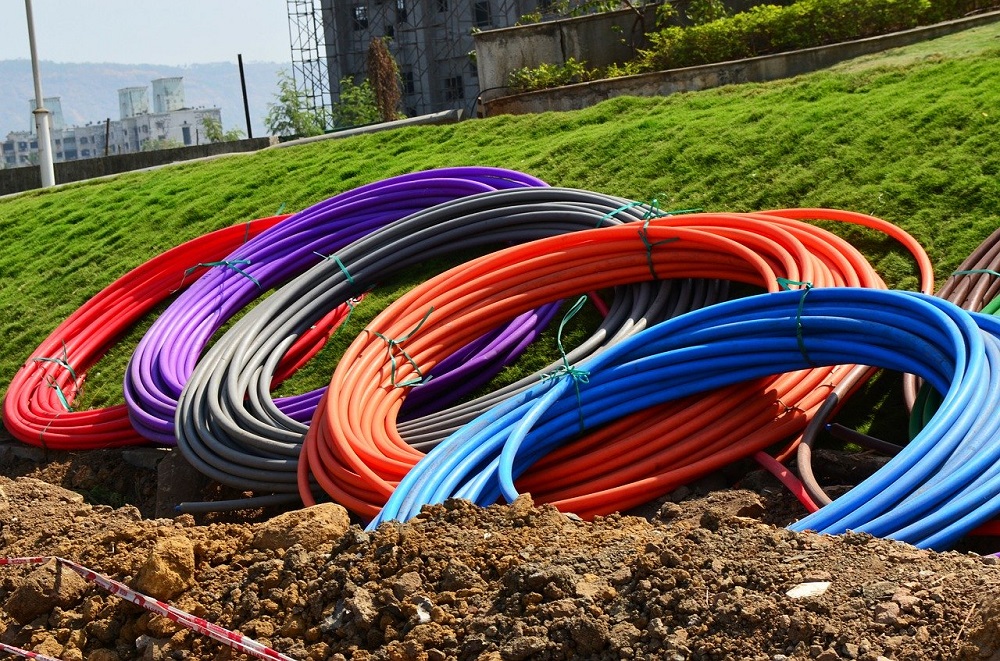
Kenya’s ICT Authority (ICTA) has issued an international tender for the extension of the country’s national fibre backbone and cross-border connectivity links, under the World Bank-backed Kenya Digital Economy Acceleration Project (KDEAP).
The Specific Procurement Notice, referenced KE-ICTA-538567-NC-RFB, invites bids for two Framework Agreements: Lot 1 for National Backbone Links, and Lot 2 for Cross-Border and Metro Links. Both will run as Closed Framework Agreements for an initial three-year term, with an option to extend by up to two further years.
“This investment will strengthen the resilience and redundancy of our national infrastructure,” said John Tanui, Principal Secretary at Kenya’s Ministry of ICT and the Digital Economy. He added that the project would connect more public institutions, expand affordable access, and enable private operators to extend last-mile connectivity to millions of homes and businesses. Tanui called on qualified local and international infrastructure providers to participate in the competitive procurement process.
The tender comes as the government races against a self-imposed deadline to complete 100,000km of national fibre optic cable before the 2027 General Election. According to Treasury figures, Kenya’s public sector fibre network stood at 30,454km as of the most recent count, up from 22,486km in 2022 when President William Ruto took office, meaning his administration has laid roughly 8,000km in that period. The two lots floated under this tender form part of the push to close a gap of more than 70,000km in just over a year.


The project is financed through World Bank loan and credit facilities 7289-KE and 7290-KE. Payments will be processed via the Direct Payment method under the Bank’s Investment Project Financing guidelines, except where letter-of-credit arrangements apply.
Bidding will follow an International Competitive Procurement process under the World Bank’s Procurement Regulations for IPF Borrowers, structured as a two-envelope bid. The outer “Original Bid” envelope and inner “Technical Part” envelope will be opened publicly, while “Second Envelope: Financial Part” submissions remain sealed until a separate financial opening.

The Framework Agreements will be single-user, with ICTA as sole employer, and multi-service-provider in structure. Selection of individual service providers for call-off contracts will follow a secondary procurement process, and ICTA said conclusion of a Framework Agreement does not guarantee that a call-off contract will be awarded.
Bid evaluation will weight technical and non-price factors at 80%, with cost weighted at 20%. Successful bidders will also be required to disclose beneficial ownership information, in line with World Bank transparency requirements.
Real ESG impact doesn’t happen in panels alone, it happens in the rooms where financiers, operators, and policymakers actually align. Our GreenShift Forum 2026 cuts the noise, bringing together the people rewiring Africa’s sustainability and energy frameworks for one focused day in Nairobi. Secure your seat.
Go to TECHTRENDSKE.co.ke for more tech and business news from the African continent and across the world.
Follow us on WhatsApp, Telegram, Twitter, and Facebook, or subscribe to our weekly newsletter to ensure you don’t miss out on any future updates. Send tips to info@techtrendsmedia.co.ke