Struggling to keep track of stock? LOOP Biz brings inventory management closer to everyday business operations

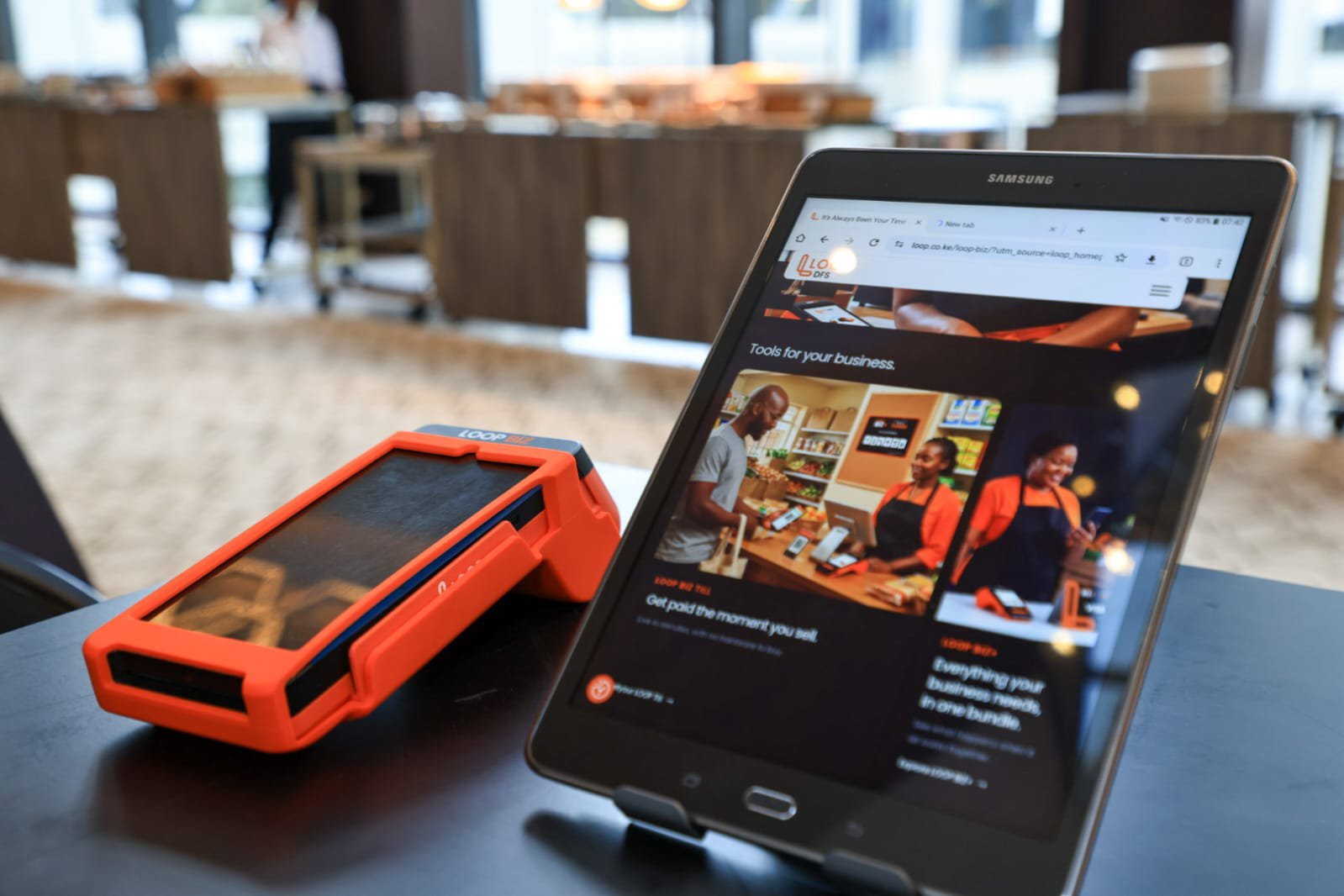
Knowing what is available for sale can be a daily exercise in checking shelves, updating notebooks, reviewing supplier messages and trying to reconcile what has moved for a small business.
When sales pick up, that routine becomes harder to maintain. A product may run out before the next order arrives, while slow-moving items continue to occupy valuable shelf space.
These gaps can affect cash flow and customer service. A customer who comes in looking for an item that appears in the shop’s records but is no longer available may leave without making a purchase. An owner who orders stock based on incomplete records may tie up money in products that are not selling.
Digital inventory management offers a way to bring these records into a more organised system. Through LOOP Biz, NCBA is extending its business platform with inventory management tools designed to help eligible merchants keep track of stock and related activity through a web-based back office.


The inventory management subscription costs KSh1,990 per month before tax. It is available through LOOP Biz web for registered limited liability companies and partnerships. The inventory functionality is therefore distinct from the core LOOP Biz experience available to sole traders through the mobile app.
From manual stock counts to a shared record
A business can begin managing inventory with a notebook or spreadsheet. These methods may be sufficient when the product range is small and one person handles most transactions. As the business grows, however, maintaining accurate records becomes more demanding.
A digital inventory system gives the business a central record of its products and available quantities. Rather than relying on separate notes kept by different employees, authorised users can work from the same information.
The LOOP Biz inventory dashboard is designed to give merchants an overview of their stock position, including views of pending orders, out-of-stock alerts and top customers. The product catalogue also displays stock quantities and identifies items that are running low.
For a shop owner, these records can support everyday decisions. A low-stock alert can prompt a reorder before a product disappears from the shelves. A view of pending orders can help the business follow up on goods that have been requested or are awaiting fulfilment.
The value of such a system depends on the accuracy of the information entered into it. Staff still need to record incoming stock correctly, account for returns and ensure that sales are reflected in the system.
Connecting sales to stock records
One of the practical additions is the relationship between LOOP Biz PDQ transactions and inventory management.
When inventory management is active, sales made through the PDQ can automatically update stock records. This reduces the need for a merchant to record every sale separately in an inventory book or spreadsheet.
Consider a retailer selling several units of the same product throughout the day. With manual records, the owner or employee must remember to deduct each sale from the stock count. If the update is missed, the recorded quantity may no longer reflect what is physically available.
An integrated process can reduce that administrative work by linking the sale to the stock record. It also gives the business a more current view of its inventory, provided products have been entered correctly and the relevant transactions are captured through the system.
For merchants who accept different payment methods, it is important to understand which transactions feed into the inventory record and how adjustments are handled. Businesses should confirm the supported workflows during setup.
More information for purchasing decisions
Inventory records can help owners make decisions about what to replenish and what may need attention.
The launch demonstration also showed product catalogue imports using a template, which can make it easier to add multiple products without entering every item individually. Shelf-life settings were presented as another feature, allowing businesses to receive alerts that can help them manage products approaching expiry.
These functions are particularly relevant to businesses handling a large catalogue or goods with limited shelf lives. A retailer dealing in food, cosmetics or other time-sensitive products may need to monitor expiry dates alongside quantities.
LOOP Biz uses AI-powered inventory intelligence that can forecast demand and flag slow-moving stock. and is his functionality is available on the web platform, with an app version planned for 2027 and other features like QR-code scanning for stock updates
Giving employees defined responsibilities
Inventory management can involve several people: an owner who oversees purchasing, a manager who supervises the shop and an assistant who receives or updates stock.
LOOP Biz includes staff roles and permissions intended to help businesses control what different employees can access. For example, an employee responsible for updating stock may be given access to inventory tasks without being given the same access to financial information as the business owner.
The arrangement can help establish clearer responsibilities as a business expands beyond a single operator. Owners should still review the permissions assigned to each employee and ensure that access reflects their actual duties.
What the monthly subscription means for a growing business
At KSh1,990 per month before tax, the inventory management subscription gives eligible businesses access to a digital system for managing product records, stock levels and related workflows.
The cost should be considered alongside the business’s existing processes. A merchant who manages a small number of products may have different requirements from a retailer handling hundreds of stock lines across several employees.
Businesses should also account for the cost of the PDQ separately. The device has its own subscription or one-off payment arrangement, according to the LOOP Biz campaign information.
For merchants already using LOOP Biz, the additions bring payment acceptance and stock management closer together. A sale can be recorded through the PDQ while the inventory system updates the corresponding stock position.
That connection can make routine administration more manageable, while giving owners a clearer record to work with when planning orders, reviewing products and assigning staff responsibilities. The quality of the decisions that follow will still depend on accurate records and consistent use of the system.
Go to TECHTRENDSKE.co.ke for more tech and business news from the African continent and across the world.
Follow us on WhatsApp, Telegram, Twitter, and Facebook, or subscribe to our weekly newsletter to ensure you don’t miss out on any future updates. Send tips to info@techtrendsmedia.co.ke

