ARC Ride revenue surges as battery swapping gains ground and expansion costs mount

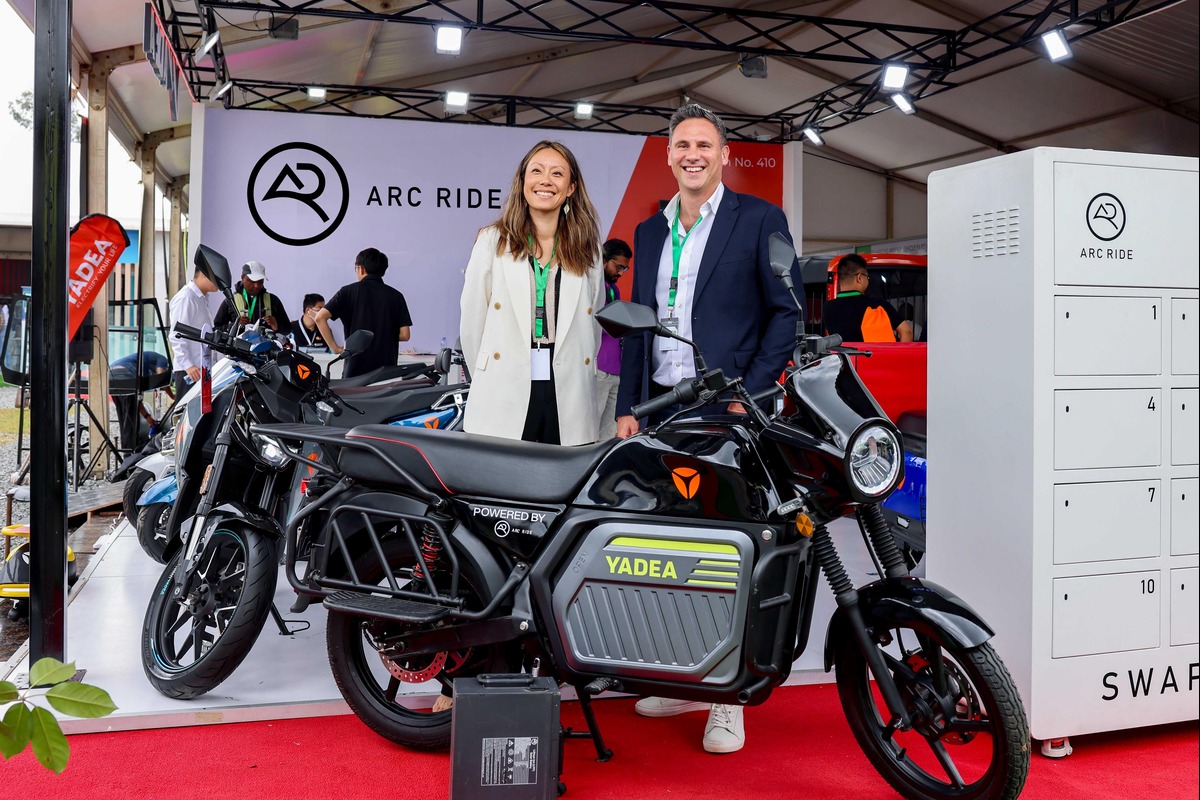
ARC Ride’s revenue quadrupled to Sh560 million in 2025 as its electric motorcycle sales expanded and battery-swapping income rose sharply, although the company recorded a wider operating loss as it invested in infrastructure, technology and operational capacity.
The audited financial results for the year ended December 31, 2025, show turnover of $4.34 million, with battery-swapping revenue growing faster than motorcycle sales as the company developed its electric-mobility network.
Motorcycle sales generated Sh379.4 million, up 126%, while battery-swapping services contributed Sh180.6 million, an increase of 429%. The figures show that swapping has become a substantial source of income alongside vehicle sales, giving ARC Ride a service-based revenue stream linked to the use of electric motorcycles already on the road.
The growth came with higher costs. ARC Ride reported an operating loss of $2.91 million, equivalent to approximately Sh375.8 million, while its loss after tax widened to about Sh377 million. Management attributed the performance to expansion into new markets, additional battery-swapping infrastructure, technology development and the operational capabilities needed to grow beyond the company’s pilot phase.

Battery swapping becomes a bigger revenue source
Battery swapping allows electric motorcycle riders to exchange a depleted battery for a charged one at a designated station instead of waiting for the battery to recharge. For commercial riders, who depend on keeping their motorcycles available for work, the model can reduce downtime and make electric vehicles more practical for daily operations. For the operator, it creates an opportunity to earn revenue from battery exchanges after a motorcycle has been deployed.
ARC Ride’s 2025 results show how important that service has become to its business. Battery swapping accounted for approximately 32% of its reported revenue, while motorcycle sales contributed about 68%. The increase in swapping income outpaced growth in motorcycle sales, although the accounts do not disclose how much revenue came from individual stations, how frequently batteries were exchanged or the proportion of swaps involving motorcycles made by other manufacturers.

That distinction matters because battery-swapping revenue alone does not establish the profitability of the network. Operators must finance battery inventory, station equipment, electrical installations, maintenance and staff before facilities generate enough activity to cover their operating costs and recover their initial investment. A network with strong demand in one location may perform differently from a station in an area where fewer riders make regular exchanges.
TechTrendsKE’s July 2026 reporting on the cost of battery-swapping infrastructure in Kenya highlighted the difficulties operators face when establishing stations, particularly where rider density may be too low to support frequent exchanges. The economics depend on more than the number of motorcycles sold; operators also need convenient station locations, reliable battery availability and sufficient repeat usage to spread infrastructure costs across a larger volume of transactions.
ARC Ride’s accounts do not provide station utilisation rates, average revenue per swap or the cost of operating its network. Those figures would help establish whether the rapid increase in swapping income is translating into stronger margins or whether infrastructure and operating expenses are absorbing much of the additional revenue.
Expansion costs weigh on operating performance
ARC Ride’s operating loss widened to $2.91 million in 2025. The audited income statement reports cost of sales of approximately $3 million against revenue of $4.34 million, leaving a gross profit of about $1.34 million. Administrative expenses reached approximately $4.27 million, exceeding revenue and placing substantial pressure on operating performance.
The figures show a business generating more sales while carrying an expense base that remains high relative to its turnover. Gross profit indicates that revenue exceeded the direct cost of sales, but the amount was insufficient to cover administrative expenses and other operating costs. The resulting loss reflects the gap between income generated by the business and the expenditure required to operate and expand it.
Management has linked the losses to investment in new markets, battery-swapping infrastructure, technology and operational capabilities. That explanation is relevant because an electric-mobility network requires spending before new stations and vehicles can generate their full contribution. However, the audited figures alone do not establish how much of the increase in losses came from expansion spending, how much came from recurring operating costs or when individual investments might produce a return.
This is a key issue for ARC Ride as it expands. If new motorcycles and swapping stations attract sufficient usage, revenue could grow against infrastructure already in place. If network utilisation remains low or expansion continues to require heavy expenditure, higher turnover may not translate into narrower losses. The available financial information does not yet establish which outcome is more likely.
The balance sheet provides additional context. ARC Ride reported approximately $12.16 million in cash and $10.97 million in debtors at the end of 2025, alongside total equity of about $17 million. These figures describe its financial position at a specific date, but they do not establish how quickly cash is being consumed, how much of the receivables will be collected or how long the company can finance its operations and expansion.
$33 million funding supports regional expansion plans
ARC Ride announced a financing round of approximately $33 million in September 2026, after the financial year covered by the audited results. Investors include the International Finance Corporation, British International Investment, Proparco, Novastar Ventures and Norrsken22, alongside existing investors Musashi Seimitsu and Talanton. The funding is intended to support additional electric motorcycles, battery-swapping infrastructure and expansion into further African markets.
The company has outlined plans to deploy 5,000 additional electric motorcycles and expand into markets including Tanzania, Uganda, Ghana and South Africa. The plans build on its Kenyan operations and depend on coordinating vehicle deployment with the availability of battery-swapping services. A larger fleet can create more potential demand for battery exchanges, but the commercial return depends on how quickly riders adopt the vehicles and how much activity the network generates.
The funding announcement provides important context for the company’s strategy, but it does not change the historical results for 2025. The audited accounts show the company’s performance through December 31, 2025, while the subsequent financing provides additional backing for future plans. The available information does not establish how much of the financing is equity, how much is debt, what conditions apply to any debt facilities or how much remains available after planned expenditure.
Those details matter because expansion can increase both the company’s revenue potential and its financial obligations. Debt financing may introduce interest and repayment costs, while equity financing affects ownership. Assessing the funding’s effect on ARC Ride’s financial position will require further information about the financing structure, capital expenditure, cash flow and the pace at which new operations become productive.
Competition puts battery-swapping networks in focus
ARC Ride is expanding in a market where battery-swapping infrastructure is becoming an important consideration for electric motorcycle manufacturers. TechTrendsKE’s September reporting on SUN Mobility’s entry into Kenya described plans involving multiple manufacturers, while Yadea has partnered with ARC Ride for battery-swapping services. These developments give ARC Ride a potential role in supporting motorcycles from more than one manufacturer.
A network that serves compatible vehicles from different brands may attract more users than one dependent entirely on motorcycles sold by a single company. More vehicles using the same network can create additional opportunities for battery exchanges and improve the use of installed infrastructure, provided that demand is concentrated around accessible stations and the network has enough battery capacity to serve riders.
However, the available reporting does not quantify how much of ARC Ride’s 2025 swapping revenue came from motorcycles made by other manufacturers or establish how much the Yadea partnership contributed during that period. The relationship is relevant to the company’s strategy, but it should not be treated as evidence that network sharing has already improved its financial performance.
The wider market also includes operators pursuing different approaches. Spiro’s experience, covered in TechTrendsKE’s reporting on the costs of battery-swapping expansion, illustrates the challenge of establishing stations that attract enough activity to support their costs. Roam’s reported progress in using locally made components, meanwhile, provides a different perspective on the industry’s development, with greater emphasis on manufacturing and domestic supplier capacity.
These businesses are not directly interchangeable. ARC Ride’s financial results primarily illuminate the economics of motorcycle sales and battery-swapping infrastructure, while local-component manufacturing addresses a different set of investment and production questions. Together, however, the developments show why the growth of electric mobility depends on more than vehicle availability: financing, infrastructure, manufacturing capability and operating economics all influence the industry’s development.
Can ARC Ride turn revenue growth into sustainable returns?
ARC Ride’s 2025 results show that its business expanded substantially, particularly in battery swapping, but its operating loss widened as it invested in the network and capabilities required for growth. The subsequent funding announcement gives the company additional backing for its expansion plans, while partnerships with manufacturers could broaden the potential customer base for its infrastructure. Neither development, on its own, establishes when the business will become profitable.
The next set of financial results will need to show whether revenue growth is accompanied by better operating performance. Useful indicators include the number of motorcycles deployed, activity at swapping stations, revenue per exchange, the cost of maintaining batteries and equipment, and the amount spent to establish new locations. These measures would help distinguish revenue growth driven by a larger network from improvements in the efficiency of the existing business.
The company’s reported cash and receivables also need to be assessed alongside operating cash flow, capital expenditure and financing obligations. A sizeable cash balance at year-end does not, by itself, establish a company’s financial runway, particularly when it is recording substantial losses and planning further investment. The full cash-flow statement and relevant notes on receivables, borrowing and financing would provide a clearer view of liquidity.
Ownership information requires similar care. Car and General’s reported stake in ARC Ride fell to 0.49% in December 2025 from 0.7% in 2024, while its investment was valued at approximately Sh35.3 million in both years. Those figures establish a change in the reported percentage holding, but they do not explain the reason for the change or establish a change in control.
ARC Ride’s financial position ultimately reflects the challenge of scaling an infrastructure-led electric-mobility business. Revenue reached Sh560 million in 2025, with battery-swapping income growing rapidly, while the operating loss widened as the company invested in expansion and operational capacity. Whether those investments deliver sustainable returns will depend on network utilisation, cost management, rider adoption and the company’s ability to expand without allowing infrastructure and administrative expenses to outpace the income its operations generate.
Real ESG impact doesn’t happen in panels alone, it happens in the rooms where financiers, operators, and policymakers actually align. Our GreenShift Forum 2026 cuts the noise, bringing together the people rewiring Africa’s sustainability and energy frameworks for one focused day in Nairobi. Secure your seat.
Go to TECHTRENDSKE.co.ke for more tech and business news from the African continent and across the world.
Follow us on WhatsApp, Telegram, Twitter, and Facebook, or subscribe to our weekly newsletter to ensure you don’t miss out on any future updates. Send tips to info@techtrendsmedia.co.ke