
From Super AMOLED to Galaxy AI, how Samsung helped shape the evolution of consumer technology.

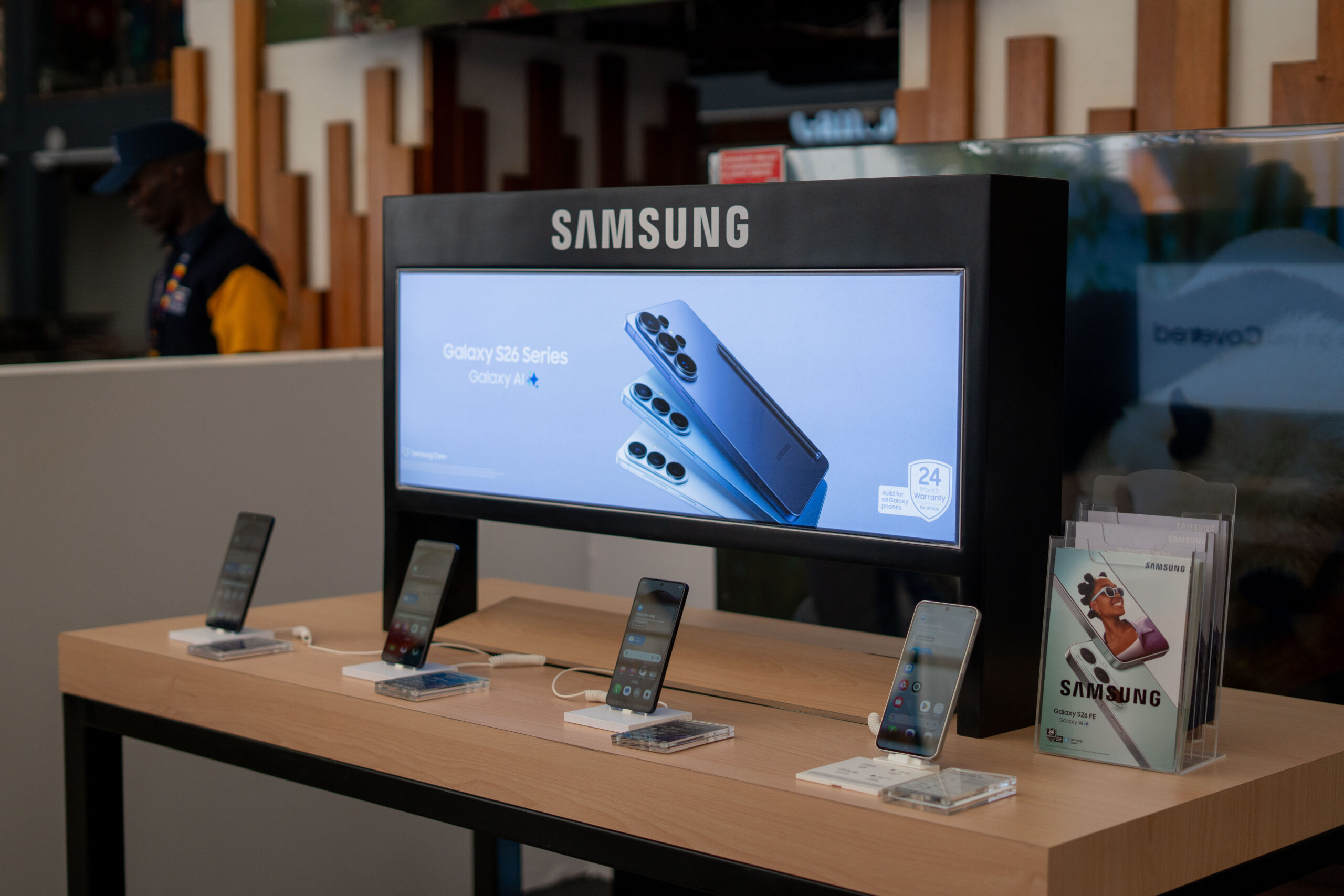
Samsung technology innovations have helped shape the way consumers use smartphones, televisions and household appliances, from the introduction of Super AMOLED displays and the Galaxy Note’s S Pen to foldable phones and artificial intelligence.
The company’s history offers a useful view of how consumer electronics have developed, as devices that once served a single purpose have become platforms for communication, work, entertainment, security and connected services.
Samsung’s story began in 1938, while Samsung Electronics was established in 1969, not 1967 as stated in some versions of the company’s historical material. The business grew from its early electronics operations into a global manufacturer spanning smartphones, displays, semiconductors, televisions, home appliances and connected devices. Its product history includes genuine milestones, although claims about being the first to introduce a particular technology need to be considered within the specific category Samsung is describing.
The company’s contribution is best understood through the products it brought to market and the ways those products expanded what consumers could do with familiar devices.

Samsung’s history of changing how people use technology
In 2010, Samsung launched the Galaxy S with a 4-inch Super AMOLED display. The screen offered vivid colours and strong contrast, helping establish display quality as a prominent part of the smartphone experience. Samsung described the device as the first smartphone launched with Super AMOLED, a claim tied to that specific display technology rather than to the invention of OLED screens generally.
The development was part of a broader change in mobile computing. As people began using their phones to watch videos, browse the web, play games and read documents, screen quality became central to the experience. Samsung continued developing its AMOLED technology across subsequent Galaxy generations, with improvements to brightness, colour reproduction and power efficiency.

In 2011, the company introduced the Galaxy Note, combining a large display with the S Pen digital stylus. Users could write notes, draw, annotate documents and interact with the phone using pen input, giving the device capabilities associated with both smartphones and digital notebooks.
The Galaxy Note arrived when large-screen phones were still unfamiliar to many buyers. Its design helped establish demand for devices that could support productivity and entertainment on a larger display. The S Pen subsequently became a defining feature of selected Samsung flagship devices, although stylus-equipped mobile devices existed before the Galaxy Note.
The broader lesson is that hardware design can change how people use a device. A larger screen or a digital pen becomes meaningful when it supports activities that are difficult to perform on a conventional handset.
How Galaxy phones expanded the role of the smartphone
Samsung’s mobile strategy also placed greater emphasis on security and software. In 2013, the company introduced Samsung Knox, a security platform designed to protect devices and the information they hold. It offered enterprise-oriented protections that helped organisations manage work data on supported Samsung devices.
The distinction became important as smartphones moved into workplaces, where employees could access corporate email, documents and business applications from the same handset used for personal communication. Device security consequently became part of the wider relationship between hardware manufacturers, software developers and enterprise IT departments.
Knox has since developed into a broader security platform across supported Samsung products. Its presence does not make a device immune to cyberattacks, since security also depends on software updates, application permissions, user behaviour and the services connected to the phone.
Samsung introduced Bixby with the Galaxy S8 in 2017, giving users another way to interact with their devices through voice commands and contextual features. The assistant formed part of a wider industry effort to make smartphones easier to operate without navigating every function manually.
Voice assistants were already available from other technology companies, so Bixby’s significance lies in Samsung’s integration of the service into its own device ecosystem. The same principle now applies to AI tools: their usefulness depends partly on how well they work with the applications and services people already use.
From television displays to connected home appliances
Samsung’s innovation history extends beyond mobile devices. In 2013, the company unveiled what it described as the world’s first Curved UHD TV, combining ultra-high-definition picture quality with a curved screen. The design was intended to create a more immersive viewing experience, although the practical benefit of screen curvature depends on viewing distance, seating position and the size of the display.
At CES in 2018, Samsung presented The Wall, a 146-inch modular MicroLED display. Its construction allowed the screen to be assembled from individual modules, offering flexibility in screen size and configuration. The announcement illustrated how display development could encompass physical design and installation as well as resolution and picture quality.
Samsung’s household appliances offer another perspective on the company’s approach. Its Twin Cooling technology uses separate cooling systems to manage refrigerator and freezer compartments independently. The design helps maintain different conditions in each compartment and reduces the movement of odours between them.
The company also developed Eco Bubble washing technology, which mixes air, water and detergent to produce bubbles intended to help detergent penetrate fabrics at lower water temperatures. Washing at lower temperatures can reduce the energy required to heat water, although actual savings depend on the appliance, wash cycle and household usage.
These features address everyday tasks rather than adding new categories of consumer electronics. Their value depends on whether they improve performance, convenience or operating costs under real conditions. Connected-home platforms such as Samsung SmartThings extend that idea by allowing supported appliances and other devices to communicate through a shared ecosystem.
Foldable phones and the engineering challenges behind them
Samsung’s Galaxy Fold, announced in 2019, brought a foldable display into a commercially oriented smartphone product. When unfolded, the original device offered a 7.3-inch Infinity Flex Display, giving users a larger working area while retaining a smaller form when closed.
The concept challenged the assumption that a smartphone must have a fixed screen size. A foldable device can provide more room for reading, multitasking and viewing content without requiring users to carry a conventional tablet alongside their phone.
The first Galaxy Fold also demonstrated the engineering difficulties involved. Early review units experienced screen failures in April 2019, prompting Samsung to delay the planned retail release and revise the device before it went on sale later that year. The episode showed how a new form factor can create mechanical and durability problems that are less prominent in conventional phones.
Subsequent Galaxy Z Fold and Galaxy Z Flip models have refined the design, but foldable phones still involve trade-offs around price, thickness, hinge construction and long-term durability. Their success therefore depends on more than the novelty of a screen that bends. Consumers must decide whether the larger display and multitasking capabilities justify the additional cost and the practical compromises.
For manufacturers, the category remains an example of the relationship between industrial design and the engineering required to make a new device format dependable.
Galaxy AI brings software innovation to the forefront
Samsung’s introduction of Galaxy AI with the Galaxy S24 series in 2024 marked another step in its smartphone strategy. Features including Live Translate, Chat Assist and Circle to Search brought translation, writing assistance and visual search into everyday phone use.
Circle to Search, developed through collaboration with Google, allows users to search for information about content displayed on their screens without first switching to a separate search application. Other Galaxy AI features support tasks such as translating conversations, summarising text or adjusting written messages.
The distinction between Samsung’s contribution and that of its partners matters. Modern smartphone AI often combines device hardware, operating-system capabilities, cloud services and models developed by different companies. A feature presented under one product brand may rely on several technologies working together.
Some AI functions can run directly on a device, while others require cloud processing or an internet connection. That affects performance, privacy considerations, data use and feature availability. Supported languages, eligible devices and account requirements also vary by feature and market.
Samsung has expanded its AI offering across the Galaxy ecosystem, but the practical value of these tools depends on whether they perform useful tasks reliably. Translation must handle the languages people actually speak, writing assistance must preserve meaning, and search features must return relevant results without adding unnecessary steps.
These considerations are particularly important when assessing advanced smartphone features in markets where device prices, connectivity costs and language support influence the experience.
What Samsung’s innovation history means for Kenyan consumers
Samsung’s product history provides a useful framework for understanding the choices facing smartphone buyers in Kenya. Display quality, camera performance, battery life and processing power remain relevant, but software support, repair options, security and access to useful AI features also affect the value of a device over its lifetime.
Affordability is another consideration. A premium handset may offer sophisticated displays, advanced cameras and AI-assisted tools, but those features need to be weighed against purchase price and the cost of ownership. Consumers comparing devices should examine warranty terms, local repair support, software-update commitments and the availability of features in Kenya rather than relying on specifications announced for a global market.
Connectivity also shapes the experience. Cloud-based AI services depend on reliable internet access, while some functions may be limited by language availability or regional settings. A feature that works well in a demonstration may be less useful if it requires a subscription, a supported account or connectivity that is not consistently available to the user.
Samsung’s history also reflects a wider change in the technology industry. Smartphones now connect people to digital payments, work applications, entertainment services and connected-home products. The device is only one part of that experience; software, network infrastructure, security and partnerships determine how well the different components work together.
From Super AMOLED and the S Pen to Knox, foldable displays and Galaxy AI, Samsung has introduced products and features that have contributed to the development of consumer electronics. The record is not a story of one company inventing every technology it sells. It is a history of how a major manufacturer has combined hardware, software and services to create new ways for people to interact with their devices.
The next measure of success will be how well those technologies serve consumers beyond the launch announcement. Better displays, flexible screens and AI-assisted functions have value when they solve practical problems, remain dependable and reach people at prices they can afford. For Kenyan consumers, those everyday considerations will help determine which innovations become lasting parts of how they live and work.
Real ESG impact doesn’t happen in panels alone, it happens in the rooms where financiers, operators, and policymakers actually align. Our GreenShift Forum 2026 cuts the noise, bringing together the people rewiring Africa’s sustainability and energy frameworks for one focused day in Nairobi. Secure your seat.
Go to TECHTRENDSKE.co.ke for more tech and business news from the African continent and across the world.
Follow us on WhatsApp, Telegram, Twitter, and Facebook, or subscribe to our weekly newsletter to ensure you don’t miss out on any future updates. Send tips to info@techtrendsmedia.co.ke


