Testing a trading app on your phone? Six tech checks Kenyan users should make first

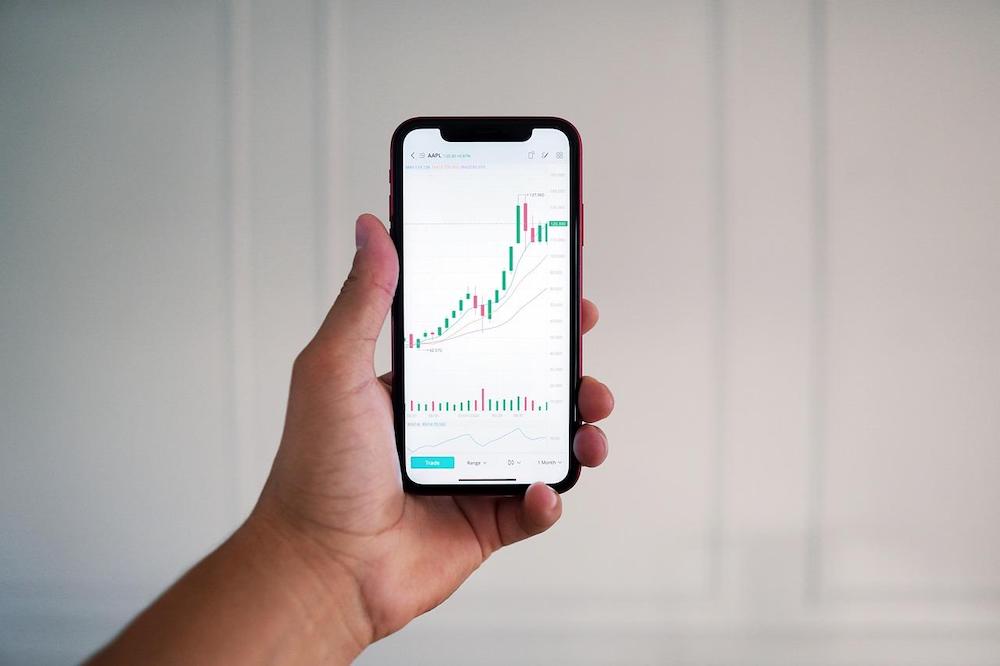
Kenya’s fintech scene moves fast. M-Pesa changed how the country pays for things, digital lenders changed how it borrows, and now trading apps are changing how a growing number of Kenyans invest. Downloads have climbed as young users look for ways to grow their money beyond SACCOs and savings accounts.
Most coverage of these apps focuses on returns and strategies. This piece looks at something more basic: the technology itself. A trading app holds your identity documents, your money and often access to your M-Pesa line. That makes its security and performance just as important as its features.
1. Where the app comes from
Only install trading apps from the Google Play Store or the Apple App Store. Fraudsters regularly circulate APK files through WhatsApp and Telegram that look exactly like legitimate apps but are built to steal login details and one-time passwords. On the store page, check the developer name, the number of downloads, the date of the last update and whether reviews mention withdrawal problems.
Then check the company behind it. In Kenya, the Capital Markets Authority licenses stockbrokers and online forex brokers and publishes the list on its website. Matching the app’s developer to a licensed firm takes two minutes and filters out most scams.

2. Permissions it asks for
A trading app needs your camera for KYC, internet access and notifications. It has no good reason to read your SMS inbox, your contacts or your call logs. Some fake investment apps request these permissions to intercept M-Pesa messages or harass contacts. On Android, review permissions under Settings, then Apps, and switch off anything that does not make sense.
3. Login security
At minimum, the app should support two-factor authentication through an authenticator app or SMS, and biometric login with fingerprint or face unlock. Authenticator apps are safer than SMS codes, which can be exposed through SIM swap fraud, a problem Kenyan banks and telcos have warned about for years. If an app only offers a simple password, keep looking.
4. Performance on real Kenyan networks
Many trading apps are designed in Europe or Asia and tested on fast connections. In Kenya, users switch between Safaricom, Airtel and home Wi-Fi, and data bundles matter. Test the app on mobile data before funding it. Watch how quickly prices update, whether charts lag, and how the app behaves when the connection drops in the middle of an order. A good app tells you clearly whether an order went through. A poor one leaves you guessing.
Data use is worth checking too. Live charts and streaming prices can consume a surprising amount of a daily bundle, so look for settings that reduce chart refresh rates or switch to a lighter mode.
5. Payment integration
M-Pesa deposits are now standard among apps that target Kenya, but integration quality varies. The best apps use official Safaricom payment channels with a recognisable paybill or till number and send clear confirmation messages. Be wary of apps that ask you to send money to a personal number or an agent. Test withdrawals with a small amount before depositing more. How quickly and smoothly money comes back tells you a lot about the platform.
6. Features that actually help
Once the basics are covered, compare features. Useful ones include demo accounts with virtual funds, price alerts, clear charting tools, stop-loss orders, transparent fee breakdowns and in-app support that responds within hours, not days. A wider comparison of trading apps in Kenya, with features set out side by side, can help narrow the list. Use it alongside the CMA register rather than in place of it.
A quick checklist
- Downloaded from an official app store, not a shared link
- Developer matches a CMA-licensed firm
- No unnecessary permissions for SMS, contacts or call logs
- Two-factor authentication switched on
- Tested on mobile data and during a dropped connection
- Small withdrawal completed successfully
The takeaway
Trading apps can open up markets that were once out of reach for ordinary Kenyans, from Nairobi Securities Exchange shares to global stocks. But the same convenience that makes them attractive makes them a target for fraud. Treat a new trading app the way you would treat a new banking app: verify who built it, lock it down, and test it with small amounts before trusting it with your savings.
Visit TECHTRENDSKE.co.ke for more tech and business news from across Africa and the world.
Follow us on WhatsApp, Telegram, Twitter, and Facebook, or subscribe to our weekly newsletter so you don’t miss future updates. Send tips to info@techtrendsmedia.co.ke