
Supercoin wants to bring its shilling-backed stablecoin to Kenya as licensing opens

Kenya’s expanding virtual asset licensing regime is creating a route for stablecoin companies to introduce products backed by local currencies, with Supercoin now seeking regulatory approval for a Kenyan shilling-backed digital currency. The proposal would extend the company’s existing African operations into a market where cryptocurrency transactions already involve substantial volumes of dollar-denominated stablecoins.
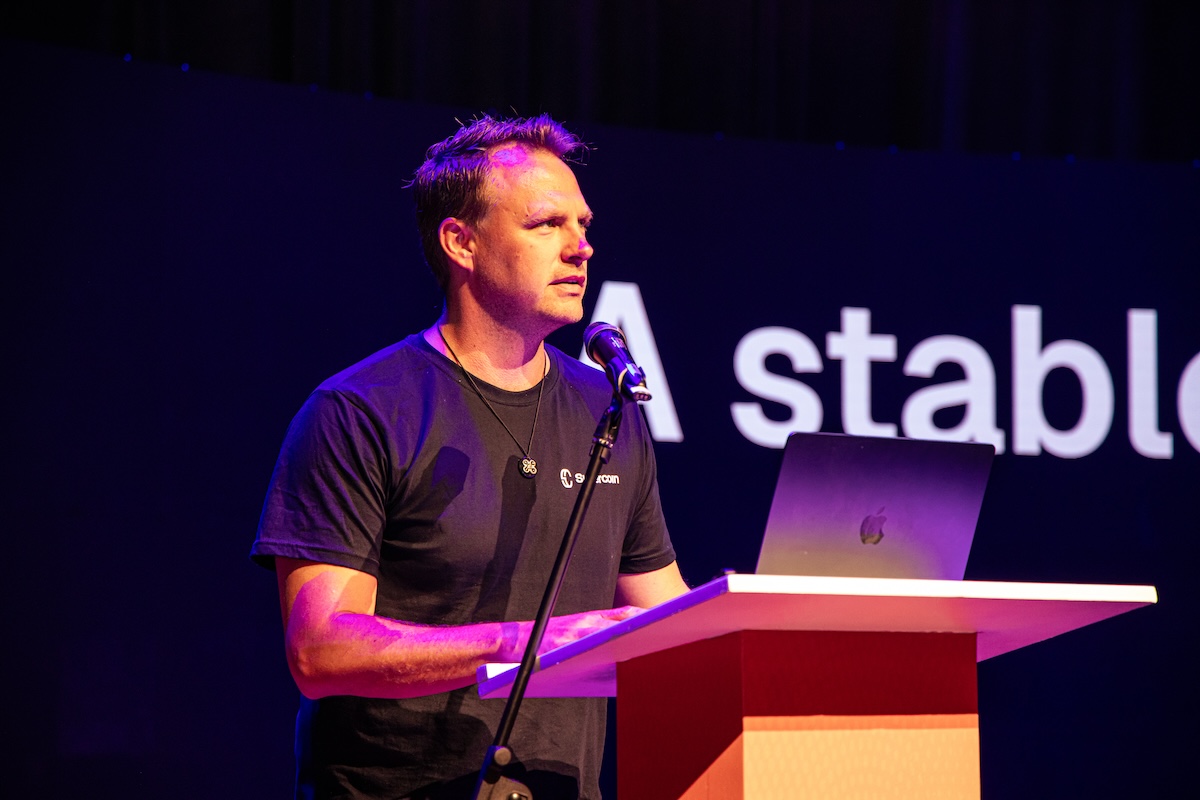
Supercoin Managing Director Gideon Greaves disclosed that the company had submitted a licensing application in Kenya as it prepares to introduce the proposed token. He announced the plans during the Africa Stablecoin Summit 2026 in Cape Town, where representatives from financial institutions, regulators and fintech companies discussed the development of stablecoins as payment and settlement infrastructure.
The application comes as Kenya moves into the implementation of its Virtual Asset Service Providers (VASP) framework. The Central Bank of Kenya and the Capital Markets Authority announced the start of licensing under the new regulations in November, requiring businesses providing or intending to provide regulated virtual asset services to obtain the relevant authorisation.
For Supercoin, the regulatory process will determine whether its proposed product can move beyond development into commercial issuance.



Kenya’s crypto licensing framework opens a route for stablecoin issuers
Kenya’s VASP framework establishes regulatory requirements for companies seeking to provide virtual asset services, including stablecoin issuance. The licensing process places the Central Bank of Kenya in a central role in overseeing stablecoin issuers, with requirements covering capital, reserves and the handling of customer assets.
TechTrendsKE’s reporting on the regulations established a minimum paid-up capital requirement of KSh300 million for stablecoin issuers. The framework also addresses reserve arrangements and redemption obligations, which are particularly important for companies promising that digital tokens maintain a fixed value against national currencies.
The regulatory environment has also attracted scrutiny over the cost and structure of compliance. In its November assessment of Kenya’s crypto rules, the International Monetary Fund raised concerns about requirements affecting foreign stablecoin reserves and the financial burden of licensing. Those concerns primarily relate to the treatment of foreign-denominated stablecoins and should be distinguished from the proposed domestic-currency backing of Supercoin’s Kenyan product.
The company has not announced that its application has been approved. Its proposed entry therefore remains subject to the applicable regulatory process, including the requirements governing the issuance and management of the token.
Supercoin brings its rand-backed model to the Kenyan market
Supercoin already has a local-currency stablecoin operating model in South Africa through ZARsc, a digital currency backed by the South African rand. The company has also introduced Supercoin Mint, a platform that allows businesses to issue and redeem the token against rand deposits.
Greaves has argued that African currencies need digital infrastructure capable of supporting transactions beyond their domestic markets. At the Cape Town summit, he said the industry had concentrated heavily on dollar-backed stablecoins, while currencies such as the rand, shilling and naira also needed comparable digital accessibility.
The Kenyan proposal would extend that approach to another African currency. A shilling-backed token could represent domestic currency in digital form, potentially allowing participating businesses to transfer and settle value through blockchain infrastructure without making the US dollar the underlying unit of account.
The operational model, however, depends on how the backing is structured. A token representing one Kenyan shilling would need corresponding reserves and an arrangement through which holders can redeem their digital balances into conventional money. The South African product provides an indication of Supercoin’s existing approach, but the company has not disclosed the financial institutions or reserve arrangements proposed for Kenya.
The distinction is important for businesses considering such a payment instrument. The value of a stablecoin depends not only on its stated currency peg but also on whether users can access their funds, whether sufficient liquidity exists and whether the issuer can meet redemption requests.
Local-currency settlement faces competition from existing payment networks
Kenya already has several payment systems connecting banks, mobile money providers and regional financial institutions. A new stablecoin would enter an environment where interoperability is being developed through conventional financial infrastructure as well as blockchain-based services.
The Pan-African Payment and Settlement System (PAPSS) is one example. TechTrendsKE reported in November that the network had expanded to 31 African countries, with more than 220 commercial banks and 17 payment switches connected. PAPSS Chief Executive Officer Mike Ogbalu put its average infrastructure fees at approximately 0.1% of transaction value, although banks can impose additional charges that affect the final cost to customers.
Kenya’s Pesalink connection gives the continental system access to an established domestic payment network. This provides a relevant comparison for Supercoin because both approaches seek to make transactions involving African currencies more practical, although they use different settlement infrastructure.
Domestic payment connectivity is also expanding through mobile money. Airtel Money’s integration with Pesalink, reported by TechTrendsKE in November, connected the service to 30 banks, SACCOs and microfinance institutions. The arrangement illustrates how established payment providers can extend their reach through shared infrastructure rather than building individual connections with every financial institution.
Stablecoin payment companies are pursuing another route. DCSPay and Kotani Pay have worked on connecting USDT and USDC-funded payments to local payout channels, including mobile money. Their model allows businesses to use existing dollar-backed tokens for settlement while recipients receive local currency through familiar payment services.
Supercoin’s proposed product would approach the market from a different position. Rather than relying on an existing dollar-backed token as the settlement asset, it wants to issue a digital representation of the Kenyan shilling itself.
That could give businesses another option for moving domestic-currency value between participating platforms. Its commercial usefulness will depend on whether the token can connect to the bank accounts, payment providers and mobile money channels businesses already use.
PawaPay Chief Executive Officer Nikolai Barnwell addressed this issue during the Africa Stablecoin Summit, arguing that blockchain settlement alone does not complete a payment. Businesses also need reliable routes for moving money into and out of local financial systems, alongside liquidity management and compliance with each market’s regulatory and operational requirements.
PawaPay connects to more than 50 mobile money operators across 23 markets, according to the summit discussions. Its network illustrates the scale of the existing payment infrastructure that stablecoin providers may need to reach if they intend to serve businesses and consumers beyond specialist digital asset platforms.
Kenya’s crypto activity provides a potential market for stablecoins
Kenya’s existing cryptocurrency market offers a commercial setting for Supercoin’s proposal, although transaction activity across the sector does not automatically translate into demand for a shilling-backed token.
TechTrendsKE reported that cryptocurrency transactions in Kenya reached approximately KSh740 billion in the year to June 2026, equivalent to about US$5.7 billion. The publication reported a 38% increase from KSh505 billion in the preceding comparison period, while Bitcoin accounted for only 2% of Kenyan cryptocurrency transactions.
The figures indicate the importance of digital assets beyond Bitcoin in Kenya’s cryptocurrency market. Stablecoins have become particularly relevant to payments and transfers because their value is pegged to conventional currencies rather than being determined solely by market trading.
Globally, dollar-backed tokens remain dominant. Figures attributed to DefiLlama during the Africa Stablecoin Summit put the global stablecoin market at approximately US$290 billion, compared with about US$5 billion in 2020. Dollar-denominated tokens accounted for approximately 99% of that market, according to the figures presented.
This concentration provides part of the commercial rationale for local-currency alternatives. Businesses operating across African markets often encounter foreign-exchange conversion requirements when using dollar-denominated digital assets, even when their underlying commercial transactions involve domestic currencies.
A Kenyan shilling-backed stablecoin could provide a digital settlement unit denominated in local currency. However, its ability to gain traction would depend on the availability of counterparties, the cost of acquiring and redeeming tokens, and whether businesses find it more practical than existing bank and payment network arrangements.
The transaction figures published for Kenya also cover cryptocurrency activity broadly. They do not establish how much of the market would be willing to use a locally backed stablecoin.
Reserve management and redemption will determine the product’s viability
The regulatory and commercial requirements facing Supercoin extend beyond obtaining permission to issue a digital currency. Reserve custody, liquidity, transaction monitoring and consumer protection will influence whether financial institutions and businesses are prepared to use the product.
The Africa Stablecoin Summit included discussions on anti-money laundering controls, financial crime prevention, custody arrangements, reserve assurance and liquidity management. These requirements are particularly relevant to stablecoins because their value proposition depends on maintaining confidence that issued tokens can be converted into the underlying currency.
Supercoin’s South African operation provides an existing reference through ZARsc and Supercoin Mint, but the proposed Kenyan product will need arrangements suited to the country’s financial and regulatory environment.
The company has yet to establish publicly, through the announcement, which Kenyan financial institutions would hold its shilling reserves or how businesses would access the token through existing payment channels. Its proposed product will also need to demonstrate that issuance and redemption can operate reliably at the transaction volumes required by commercial users.
The growing availability of African payment networks gives stablecoin companies more infrastructure to work with, but it also creates alternatives against which new services must compete on cost, accessibility and reliability.
For Supercoin, the immediate task is securing the regulatory authorisation required to issue its proposed Kenyan shilling-backed stablecoin. Its longer-term commercial prospects will depend on whether businesses find a practical reason to hold and transfer digital shillings instead of relying on the banking and payment systems already available to them.
Visit TECHTRENDSKE.co.ke for more tech and business news from across Africa and the world.
Follow us on WhatsApp, Telegram, Twitter, and Facebook, or subscribe to our weekly newsletter so you don’t miss future updates. Send tips to info@techtrendsmedia.co.ke

