Kenya Airways brings AI into the complex business of airline pricing

You search for a flight today and find a fare that works. Tomorrow, the same seat may cost more. It can feel unpredictable, but behind that changing price is a complex process shaped by demand, seat availability, seasonality, competitor activity and booking patterns.
Increasingly, artificial intelligence is helping airlines make sense of all that information.
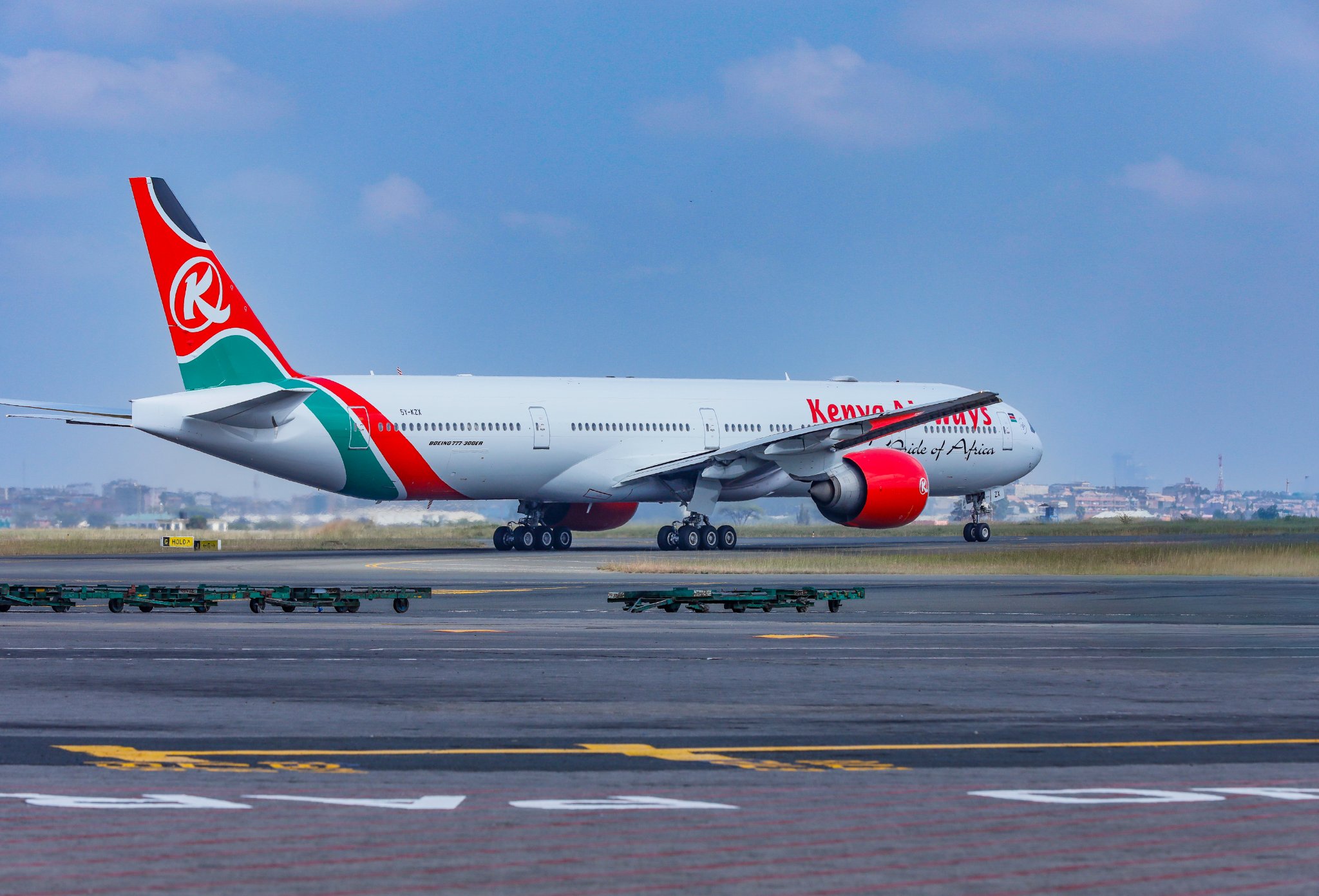
Kenya Airways is already applying this technology through its adoption of FlyNava Technologies’ AIpowered Jupiter 5.0 pricing platform.
Airline pricing has always relied heavily on data, forecasting and revenue-management expertise. What AI brings is the ability to process much larger volumes of information, identify patterns and assess different scenarios faster.


Jupiter 5.0 is designed to support this process by bringing market information together, allowing pricing teams to assess different possibilities and make faster, more informed decisions. According to Kenya Airways, the platform is intended to support more competitive fares, faster fare updates and greater pricing consistency.
The important point is that AI is not simply deciding what a passenger should pay.

People remain central to the process. Pricing teams still need to interpret market conditions, consider the wider business environment and decide how the information should be applied. AI provides the analysis and scenarios; human expertise provides the context and judgement.
That distinction matters as more businesses begin using AI to support decisions that directly affect customers.
From airline pricing to tourism
The story also becomes more interesting when viewed through the lens of tourism.
Kenya recorded 2,652,540 visitors in 2025, including 250,603 Kenyan diaspora visitors. Behind those numbers are different travel patterns: holidaymakers arriving during peak seasons, business travellers attending conferences, families visiting relatives and visitors travelling for different experiences across the country.
For airlines and the wider tourism industry, understanding these patterns matters.
Demand can rise and fall depending on the season, events, holidays and other factors. The ability to process large amounts of travel and visitor information can help organisations identify these shifts more quickly and understand when and where demand is changing.
For Kenya Airways, this can provide a broader view of how people move into and around the markets it serves. For tourism stakeholders, better use of data can help build a clearer picture of visitors and their changing travel behaviour.
This is where AI becomes more than a technology story.
It becomes a story about how we understand movement.
Every booking, search and arrival represents a person making a decision: where to go, when to travel and what to spend. Technology can help organisations process the information behind those decisions, but the objective is ultimately human: understanding people better and responding to their needs.
There is also a practical business reality behind airline pricing. Once a flight departs, an unsold seat cannot be sold again. Airlines therefore need to constantly balance demand, capacity and pricing. The faster they can understand changing conditions, the more effectively they can respond.
But speed alone is not enough. As AI becomes part of business decision-making, transparency, oversight and accountability become equally important. Technology can identify patterns and model possible outcomes, but people remain responsible for how those insights are interpreted and applied. That, is the more interesting story behind Kenya Airways’ adoption of Jupiter 5.0.
It is not simply about an airline using AI to change prices, but how aviation is becoming increasingly connected to data, tourism and human behaviour.
Innovation does not always mean replacing what already exists. Sometimes, it means taking an established process and finding a smarter way to understand it.
That is Innovation in Motion: turning data into insight, insight into decisions, and decisions into better ways of connecting people to where they need to go.
Real ESG impact doesn’t happen in panels alone, it happens in the rooms where financiers, operators, and policymakers actually align. Our GreenShift Forum 2026 cuts the noise, bringing together the people rewiring Africa’s sustainability and energy frameworks for one focused day in Nairobi. Secure your seat.
Go to TECHTRENDSKE.co.ke for more tech and business news from the African continent and across the world.
Follow us on WhatsApp, Telegram, Twitter, and Facebook, or subscribe to our weekly newsletter to ensure you don’t miss out on any future updates. Send tips to info@techtrendsmedia.co.ke