
Why AI engineering has become the hardest tech capability for Kenyan enterprises to build internally

Kenya’s technology sector is producing more skilled graduates and creating new career opportunities, but employers continue to face challenges in developing a workforce capable of turning digital investments into practical business outcomes, according to two new studies by Moringa.
The Moringa Kenya Technology Workforce Capability Report 2026 found that 72% of senior executives surveyed consider digital transformation a top strategic priority, yet 73% of organizations remain at the Early or Developing stages of technology workforce capability maturity.
Artificial intelligence is among the biggest skills challenges. Nearly half, or 48%, of executives identified AI Engineering as the most difficult capability to develop, with the figure rising to 62% among large enterprises.
The report, based on interviews with 166 senior executives across eight sectors, also found a gap between employee training and its effectiveness in the workplace. While 77% of organizations use online platforms for employee upskilling, only 16% consider their current approach very effective.


Employers identified practical, hands-on learning, stronger alignment between training and business needs, and flexible learning schedules as important factors in developing effective technology capabilities.
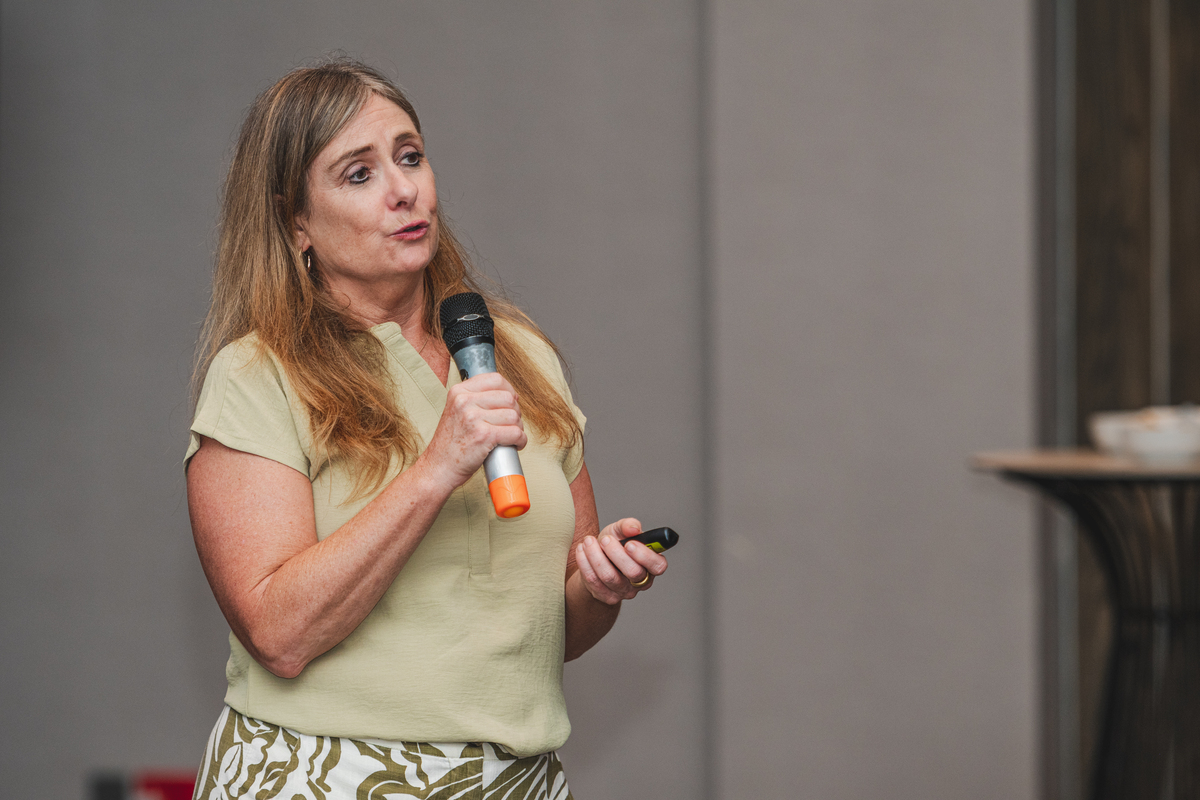
“Technology skills create value when people can apply them to real problems. The findings show encouraging movement from learning into work and income, but they also show that employability depends on more than technical knowledge alone. Experience, communication, commercial awareness and understanding how technology supports business outcomes are becoming increasingly important,” said Nikki Germany, CEO of Moringa.

The findings on graduates point to growing opportunities for technology-trained talent. The Moringa Outcomes Impact Study 2026, which surveyed 350 alumni, found that two-thirds of graduates had moved into a higher income bracket.
The study found that 70.9% of graduates who secured an opportunity did so before graduation or within six months, increasing to 86.3% within a year. Internships were the most common first entry point, accounting for 29.1% of reported first opportunities.
Among 163 alumni who reported having no income before joining Moringa, 69.9% were earning an income when surveyed, while 22.7% reported monthly earnings of at least KES 100,000.
The studies reveals that Kenya’s technology workforce challenge is increasingly shifting from access to training toward ensuring that skills are applied effectively in workplaces, particularly as companies expand their use of artificial intelligence, data and digital technologies.
“The opportunity is to strengthen the bridge between learning and application. For graduates, that means more exposure to real work, stronger business understanding and continued learning. For employers, it means investing in workforce capability-building approaches that translate into measurable workplace performance,” added Nikki.
Real ESG impact doesn’t happen in panels alone, it happens in the rooms where financiers, operators, and policymakers actually align. Our GreenShift Forum 2026 cuts the noise, bringing together the people rewiring Africa’s sustainability and energy frameworks for one focused day in Nairobi. Secure your seat.
Go to TECHTRENDSKE.co.ke for more tech and business news from the African continent and across the world.
Follow us on WhatsApp, Telegram, Twitter, and Facebook, or subscribe to our weekly newsletter to ensure you don’t miss out on any future updates. Send tips to info@techtrendsmedia.co.ke


