Kenya removes the 15,000 kWh EV tariff ceiling as charging and battery-swapping networks expand

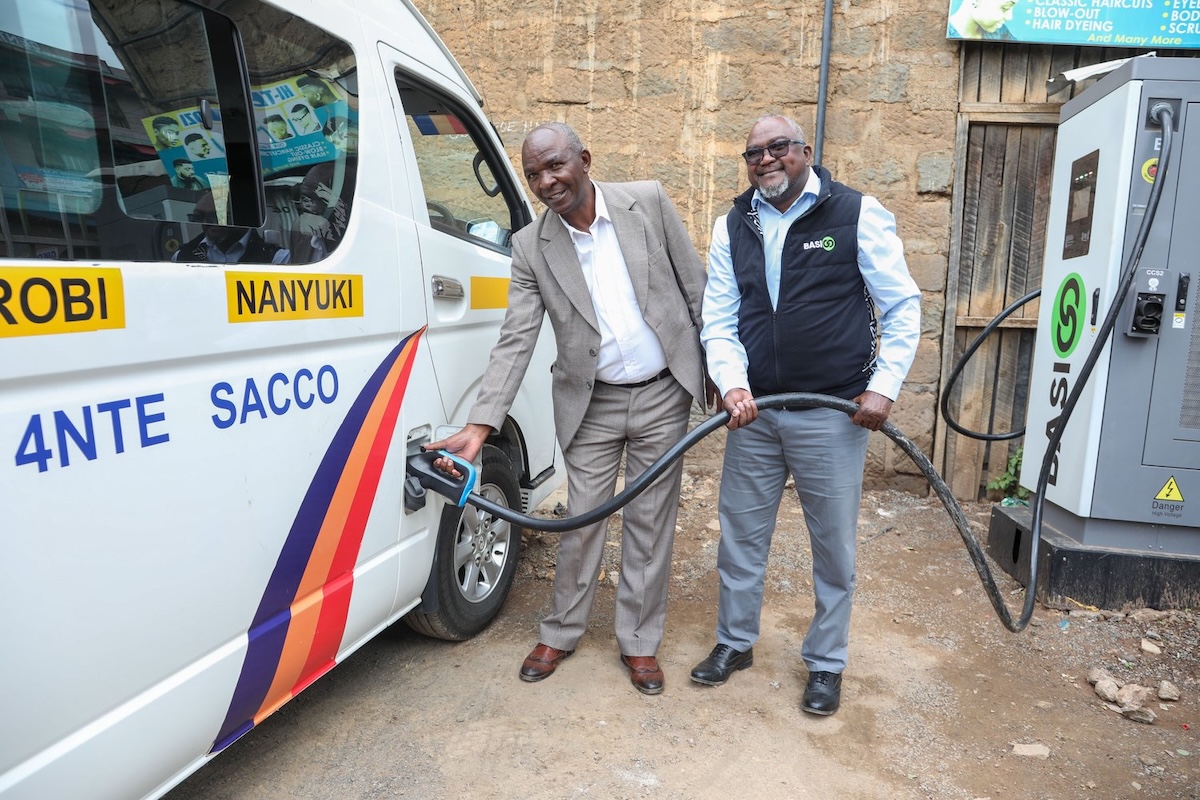
Kenya’s EV charging tariff framework has changed as the country’s electric mobility market becomes a larger consumer of electricity. The Energy and Petroleum Regulatory Authority (EPRA) has amended the electricity tariff schedule so the 15,000 kWh monthly ceiling that previously defined the special e-mobility category no longer acts as an absolute limit, replacing it with an Energy Consumption Threshold mechanism. The change matters most for charging operators, electric bus fleets, battery-swapping companies and other commercial users whose electricity consumption grows alongside the number of vehicles they serve.
The amendment was published in the Kenya Gazette on September 18, 2026, and changes a tariff structure introduced in 2023 to encourage electric mobility while directing some charging demand into periods when electricity demand on the grid is lower. Under the e-mobility tariff, customers supplied at 240 or 415 volts have an energy charge of KSh16 per kWh, with electricity metered during applicable off-peak hours charged at KSh8 per kWh. The new rules mean electricity consumed above the applicable Energy Consumption Threshold can continue to receive the discounted Time-of-Use treatment under the conditions set out in the tariff schedule.
EPRA changes how the e-mobility tariff works
The important regulatory detail is the move away from a fixed consumption ceiling. EPRA’s earlier tariff structure placed e-mobility customers in a 200–15,000 kWh monthly band, while commercial and industrial consumption above 15,000 kWh fell under a different category with its own tariff and demand charge. Kenya Power’s own reporting on the original tariff described the e-mobility category as applying to consumers whose consumption did not exceed 15,000 kWh per month.
The new framework uses an Energy Consumption Threshold instead. The April 2026 amendment had already established a mechanism based on average consumption, with the threshold for existing customers calculated from their previous six consecutive months and the threshold for new customers based on their first three consecutive months. The September amendment extends the consumption-threshold approach to the relevant e-mobility framework, meaning the regulator is dealing with electricity consumption as a variable that can grow with the business rather than treating the original 15,000 kWh figure as a permanent boundary.


That is an important distinction because the change does not amount simply to EPRA declaring all EV charging electricity cheaper. It changes the point at which a growing e-mobility customer would encounter different tariff treatment, allowing high-volume operators to continue operating within the preferential framework subject to the applicable threshold and Time-of-Use conditions. The immediate beneficiaries are therefore likely to be businesses whose electricity consumption is closely tied to charging volumes, fleet size or battery-swapping activity.
Why the 15,000 kWh ceiling became a problem
The original tariff was introduced when Kenya’s electric mobility market was much smaller. Since then, electricity consumption associated with e-mobility has expanded rapidly. EPRA reported that consumption under the category reached 5.04 GWh in the year ended June 2025, up from 1.26 GWh a year earlier, while 69 customers were being billed under the e-mobility tariff by June 2025.

Kenya Power’s own charging business has also grown into a meaningful electricity customer. The utility reported cumulative EV-charging revenue of KSh382 million between July 2023 and April 2026, while monthly revenue reached KSh35.25 million in February 2026. TechTrends’ reporting on the utility’s e-mobility programme also found charging electricity consumption had risen to about 1.5 million kWh a month, illustrating how quickly electricity demand associated with transport electrification has expanded.
The scale of commercial charging makes the issue clearer. BasiGo’s Kenyan electric buses use batteries ranging from 176 kWh to 210 kWh, while its chargers range from 60 kW to 200 kW. Some facilities are being designed to support more than 30 buses, and the company’s charging sites require grid upgrades and transformer infrastructure alongside the charging equipment.
A 15,000 kWh monthly ceiling can therefore become relevant much faster for a commercial depot than it would for individual EV owners. A 200 kWh battery represents about 200 kWh of energy for a full charge before accounting for charging losses, so repeated charging across a sizeable bus fleet can produce thousands of kilowatt-hours of demand in a short period. The same principle applies to battery-swapping networks, where electricity consumption grows with the number of batteries being charged and the number of riders using each station.
Kenya’s charging network is becoming a bigger electricity customer
The tariff change comes as Kenya builds a charging network that is moving beyond passenger vehicles. TechTrends reported in September that Kenya had 235 EV charging stations in 2025, placing it second in Africa behind Egypt, although the network remains concentrated around Nairobi and satellite towns. Station counts alone do not reveal utilisation, charger capacity or the type of vehicles being served, which means electricity demand can vary sharply from one site to another.
BasiGo provides a useful example of that variation. Its charging network is expanding beyond Nairobi into towns including Nakuru, Nyeri, Meru and Nanyuki, while the company is deploying chargers capable of handling commercial fleets. Much of its charging is planned around overnight off-peak periods, linking the commercial needs of electric buses with the original policy objective behind the special tariff.
That relationship with off-peak electricity is central to the policy. Kenya’s electric mobility policy work has identified EV charging as a potential source of additional nighttime electricity demand, when the national grid has more available capacity. The Ministry of Roads and Transport’s policy process specifically identified the possibility of using electric vehicles to absorb off-peak demand.
The National Electric Mobility Policy also calls for coordination among key electricity-sector institutions to improve electricity reliability for e-mobility and for periodic reviews of optimal charging locations to guide infrastructure investment. Its implementation framework sets a target of 100% reliable electricity supply by December 2027, while also linking charging infrastructure planning to Kenya Power and other electricity-sector institutions.
That gives the EPRA decision a wider significance. The regulator is dealing with an electricity customer category whose growth is being encouraged by transport policy, while the transport policy itself assumes that electricity supply and charging infrastructure can expand alongside EV adoption.
The change does not automatically make EV charging cheaper
The KSh16 and KSh8 figures need to be understood as electricity tariff components rather than the retail price an EV driver necessarily pays at a public charging station. A TechTrends report on the BasiGo-Rubis charging network, for example, put the expected customer charging price at about KSh48 per kWh at the Sabaki facility, where 100 kW DC fast chargers are being deployed.
There are good reasons for that difference. A charging operator has to recover the cost of chargers, electrical works, transformers, land, software, maintenance, staffing, financing and network operations, alongside the electricity itself. EPRA’s electricity tariff is therefore one input into the charging business rather than a direct ceiling on what an EV owner pays.
The electricity bill itself can also contain pass-through components, including fuel energy costs, foreign-exchange adjustments and other charges. That means the KSh8 per kWh off-peak figure should not be presented as an all-in price for charging an electric vehicle. The regulatory change can improve the economics of electricity consumption for operators, but whether those savings reach consumers depends on the commercial structure of each charging service.
The distinction is particularly important as Kenya’s charging market develops different models. A high-utilisation electric bus depot has a very different cost structure from a public fast charger serving occasional passenger vehicles, while a battery-swapping station has another set of capital and operating costs. EPRA’s tariff reform affects the electricity component across these businesses, but it does not eliminate the other costs that determine whether a station is commercially viable.
Kenya still has infrastructure gaps to solve
The tariff change also arrives while Kenya is still building the wider legal and physical framework for electric mobility. The National Electric Mobility Policy was launched in February 2026 with goals covering EV adoption, charging infrastructure, investment, manufacturing, skills and institutional coordination. The Ministry subsequently said the policy’s implementation would require technical working groups covering infrastructure, financing, technical capacity, standards, research and other areas.
In August, the State Department for Transport and the International Finance Corporation signed an agreement to support development of an E-Mobility Bill and accompanying regulations, alongside work on targets and a review of fiscal and non-fiscal incentives across the EV value chain. The tariff amendment is therefore one part of a broader regulatory framework that is still being built.
The physical infrastructure challenge is just as important. Kenya’s charging network remains concentrated around major urban centres, while companies expanding electric buses and battery swapping need reliable grid connections, suitable sites and sufficient utilisation to justify infrastructure investment. The Ministry has identified the need to expand charging infrastructure beyond Nairobi, while BasiGo’s expansion illustrates how charging locations and grid upgrades influence where electric public transport can operate.
The same applies to battery swapping. Operators have to absorb the cost of stations, electrical work, batteries, maintenance and network expansion before a new location reaches sufficient utilisation. Removing the electricity-consumption constraint helps with one part of that equation, but it does not solve the financing and demand challenge faced by a station in a market where electric motorcycle adoption is still developing.
Kenya’s EV market is reaching a point where electricity policy and transport policy are becoming harder to separate. The country is encouraging more electric vehicles, financing is making commercial fleets easier to acquire, charging networks are expanding and Kenya Power is recording more electricity sales from the sector. At the same time, the electricity regulator has had to revise a tariff structure whose original consumption boundary was designed for a much smaller e-mobility market.
The September amendment addresses that mismatch by giving growing e-mobility customers a consumption-threshold framework rather than allowing the former 15,000 kWh figure to become a hard barrier to scale. Its broader importance will depend on what happens next: whether charging operators expand, whether the resulting electricity demand can be accommodated by the grid, and whether lower electricity costs improve the economics of charging services enough to support wider EV adoption. Those outcomes will depend on infrastructure, financing and implementation of Kenya’s wider electric mobility policy as much as they do on the tariff itself.
Real ESG impact doesn’t happen in panels alone, it happens in the rooms where financiers, operators, and policymakers actually align. Our GreenShift Forum 2026 cuts the noise, bringing together the people rewiring Africa’s sustainability and energy frameworks for one focused day in Nairobi. Secure your seat.
Go to TECHTRENDSKE.co.ke for more tech and business news from the African continent and across the world.
Follow us on WhatsApp, Telegram, Twitter, and Facebook, or subscribe to our weekly newsletter to ensure you don’t miss out on any future updates. Send tips to info@techtrendsmedia.co.ke