

NSE plans AI ETF as Kenya opens its capital markets to global tech

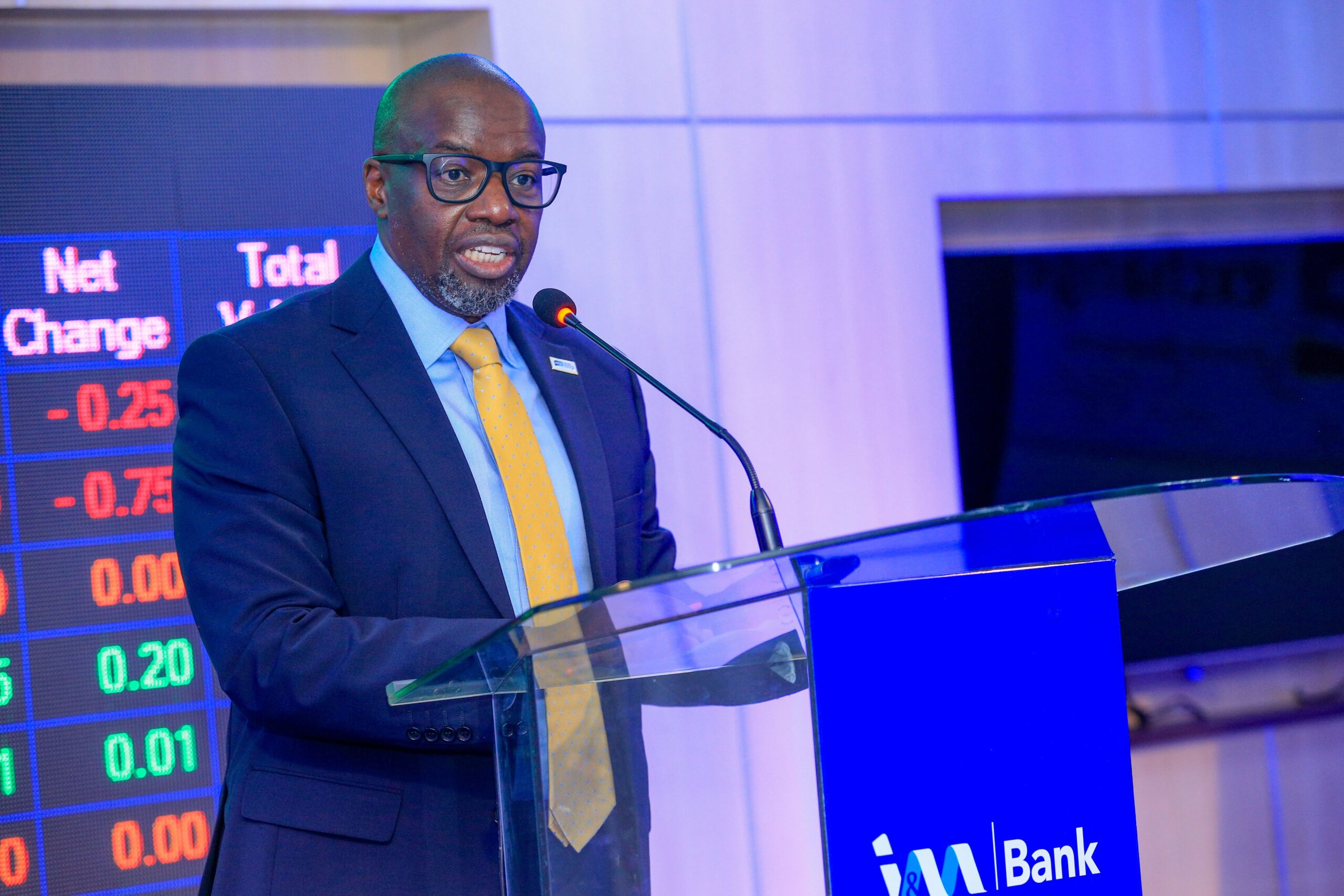
The Nairobi Securities Exchange (NSE) is preparing to launch an AI-focused exchange-traded fund before the end of 2026, potentially giving Kenyan investors a locally listed route into a group of global companies with significant exposure to artificial intelligence. NSE Chief Executive Frank Mwiti told Reuters that the exchange is developing the product as part of an effort to broaden the investment options available through Kenya’s capital market.
The proposed NSE AI ETF would track a basket of companies with direct exposure to artificial intelligence, allowing investors to buy one exchange-listed investment rather than seeking out individual foreign technology stocks. The exchange has not yet disclosed the companies that will make up the basket, the index methodology, fees or the structure through which the underlying international exposure will be obtained. Those details will determine what investors are actually buying, but the broader rationale is already clear: AI has become one of the strongest themes in global equity markets, drawing capital towards semiconductor manufacturers, cloud computing providers, data infrastructure companies and businesses developing generative AI applications.
For Kenyan investors, access to those companies has generally required investment routes outside the domestic exchange. The NSE has historically been dominated by sectors such as banking and telecommunications, with Safaricom among its most prominent counters, while technology companies have had a much smaller presence among listed firms. An ETF offers a different route because investors can obtain exposure to a basket through a single listed security, although the actual risk and return profile will depend heavily on how that basket is constructed.
That distinction will matter once the NSE releases more details. A fund described as AI-focused could be concentrated in semiconductor companies, cloud infrastructure, software or a mixture of different businesses, and each approach would produce a different investment profile. The timing also deserves scrutiny because global enthusiasm for AI has pushed valuations of some technology companies to levels that have raised questions about whether future earnings will justify current prices. Kenyan investors would therefore gain access to a major global investment theme, but they would also take on the market and valuation risks attached to it.


The ETF Fits a Broader Capital Markets Strategy
The proposed fund makes more sense when viewed alongside the wider direction of the NSE under its 2025–2029 strategy. The exchange has been broadening its offering through new equity listings, corporate debt, REITs and digital investment products, while seeking to make the capital market more useful to businesses and investors at different stages.
Tom Mulwa, who became NSE chairman in July, has argued that the health of the exchange should not be judged only by the number of IPOs it attracts. His agenda places greater emphasis on sustained capital formation, broader investment products, stronger governance and easier participation for ordinary investors. That approach provides an important backdrop to the AI ETF because the exchange is building a marketplace where investors can access more than conventional shares, while companies and other investment vehicles gain additional routes to public capital.
Recent activity provides some evidence of the breadth of that strategy. Family Bank entered the market through a listing by introduction, corporate fundraising has expanded through listed debt instruments, and new property investment vehicles have added alternatives to conventional equities. The AI ETF would extend that product strategy into global thematic investing, giving the exchange another way to connect investors with an asset class that is not well represented among companies listed locally.
The broader objective is to create a market with enough variety to serve investors who want different combinations of income, growth, diversification and exposure to specific sectors or themes. The AI ETF fits that objective because it could allow investors to access international technology companies through a product listed on the Nairobi exchange, although the extent of that international exposure will only become clear once the fund’s structure is announced.
Retail Investors Are Central to the Plan
The NSE’s retail-investor ambitions make the AI ETF particularly relevant. The exchange wants to grow its domestic investor base to nine million Kenyans by 2029, while digital platforms such as Ziidi Trader have made it possible for individuals to buy listed securities through familiar mobile channels. Ziidi Trader has already surpassed KSh1 billion in cumulative turnover and processed more than 351,000 trades, demonstrating the role that digital distribution can play in bringing securities trading closer to everyday consumers.
That infrastructure matters because a new investment product only becomes useful if investors can understand, access and trade it. The NSE has about three million investor accounts, according to the exchange-related material, but only a small proportion trade regularly, which means the challenge is larger than simply opening more accounts. The exchange needs to turn access into sustained participation, and a recognisable theme such as artificial intelligence could give it another product around which to build that participation.
An AI ETF may have an advantage because artificial intelligence is already a familiar global investment theme. A Kenyan investor who has followed the growth of semiconductor companies, cloud computing or generative AI may understand the basic attraction of the sector even without having experience buying foreign shares. Familiarity, however, should not be confused with suitability, because an ETF tied to AI companies would still expose investors to equity-market volatility, company valuations, foreign markets and potentially currency movements, depending on its final structure.
Liquidity Will Matter as Much as the Product
For the NSE, one of the harder questions will come after the launch. Creating another security does not automatically create an active market, and the exchange has acknowledged the challenge of converting its growing investor base into regular trading activity. Recent investment products have also raised a related question: whether demand at launch can translate into healthy secondary-market liquidity once the initial attention fades.
That distinction is particularly important for an ETF because investors need to be able to buy and sell units efficiently, while the market needs sufficient trading activity for prices to remain closely connected to the value of the underlying assets. The performance of the AI companies will therefore be only one part of the story. Investor demand, pricing, fees, liquidity and the mechanism used to maintain exposure to the underlying basket will all influence whether the product becomes a meaningful part of Kenya’s investment market.
The ETF could also test whether the NSE can give domestic investors access to global investment themes without requiring them to leave the local market infrastructure. That would fit with the exchange’s wider objective of making Nairobi a deeper and more accessible capital market, particularly as it seeks to bring more households into securities investing.
What Investors Still Need to Know
The announcement leaves several important details open. The NSE has not identified the companies that will form the AI basket, nor has it publicly set out the index methodology, management costs, currency arrangements or how the fund will obtain exposure to companies listed outside Kenya. Those details will determine the product’s actual investment characteristics and will eventually allow investors to compare it with established AI and technology ETFs available in larger international markets.
Regulatory and market-structure questions will matter as well. The final product will need to operate within Kenya’s capital-markets framework, while its ability to provide reliable exposure to overseas companies will depend on how the underlying assets, custody arrangements, pricing and liquidity are handled. None of those details should be assumed until the NSE provides them.
The planned launch is therefore significant, but the announcement is only the beginning of the product story. The more important test will be whether the AI ETF can give Kenyan investors meaningful access to a global investment theme while also helping the NSE generate the regular domestic participation it needs to deepen the market. If it does, the fund would represent more than another security on the NSE; it would demonstrate how Kenya’s capital market can accommodate investment themes shaped by industries that are largely absent from the local listed market.
Go to TECHTRENDSKE.co.ke for more tech and business news from the African continent and across the world.
Follow us on WhatsApp, Telegram, Twitter, and Facebook, or subscribe to our weekly newsletter to ensure you don’t miss out on any future updates. Send tips to editorial@techtrendsmedia.co.ke