The Cost of Battery Swapping Is Slowing Kenya's Rural EV Expansion

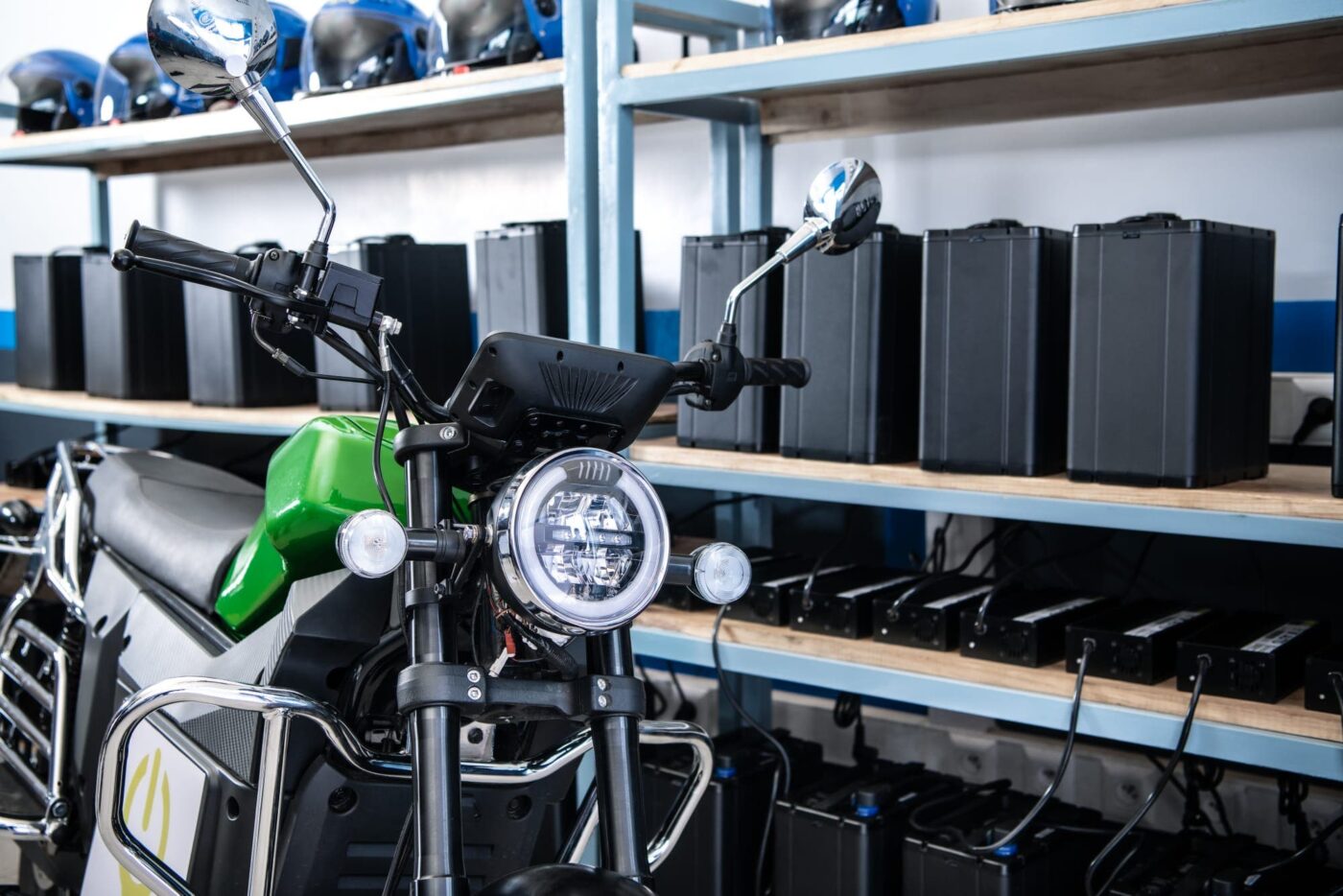
Kenya’s battery swapping network has become one of the country’s biggest electric mobility success stories. Riders can replace depleted motorcycle batteries within minutes instead of waiting hours for them to recharge, making electric motorcycles practical for commercial transport. That convenience has helped battery swapping become the backbone of Kenya’s electric motorcycle market. But as companies try to extend those networks beyond Nairobi and other large towns, a new challenge has emerged: the economics of building the infrastructure no longer look as straightforward.
The latest evidence comes from Spiro, one of Africa’s largest electric motorcycle operators. The company has paused its franchising programme after finding that many prospective investors could not meet the capital required to establish battery swapping stations.
The development highlights a broader question facing Kenya’s electric mobility ambitions. The issue is no longer whether electric motorcycles can attract riders. It is whether the infrastructure supporting them can expand fast enough and profitably enough to reach the rest of the country.
Battery swapping solved one of the biggest commercial obstacles facing electric motorcycles: downtime.


For boda boda riders, spending several hours charging a battery means losing valuable income. Swapping allows riders to exchange batteries in minutes before returning to work, making electric motorcycles far more practical for daily operations.
That model has helped electric motorcycles dominate Kenya’s EV market. More than 24,000 of the country’s estimated 25,000 electric vehicles are motorcycles, accounting for roughly 96 percent of the fleet.

As adoption accelerated, battery swapping stations became just as important as the motorcycles themselves. Operators invested heavily in networks designed to keep riders moving rather than waiting beside charging points.
The challenge begins when companies attempt to replicate that model outside major urban centres.
Spiro required franchise operators to spend between Sh400,000 and Sh600,000 on civil and electrical works before factoring in rent and staffing. The total investment for a single station approached Sh1 million.
That proved beyond the reach of many of the entrepreneurs the company hoped would drive rural expansion.
The numbers illustrate why infrastructure has become the industry’s next hurdle. Building a battery swapping station involves more than leasing space and installing charging equipment. Operators must also maintain a pool of batteries, electrical systems, safety equipment and staff, all before generating meaningful revenue.
Those economics work more easily where motorcycle traffic is dense and batteries circulate quickly. Rural markets often require the same upfront investment but serve fewer riders during the early stages of adoption, extending the time needed to recover costs.
Rather than relying solely on franchise investors, companies are adapting their expansion strategies.
Spiro has partnered with organisations that already operate nationwide property networks, including fuel marketers such as Rubis, Petrocity and Galana, alongside church institutions. Using existing locations reduces the need to build entirely new sites while extending coverage into more communities.
Arc Ride has chosen another route.
Instead of traditional staffed swap stations, the company deploys automated battery cabinets where riders scan a QR code to exchange batteries. Automation reduces operating costs while requiring less physical space.
Innovation is also coming from smaller companies.
Kisumu-based E-Safiri has developed battery swapping stations powered by optoelectronic concentrators, a solar technology created in partnership with researchers from Glasgow Caledonian University. According to the company, the approach cuts capital costs by more than half and has allowed it to double its network of rural and peri-urban stations within a year.
Although each company has adopted a different strategy, they all point to the same objective: lowering the cost of deploying infrastructure.
Even if companies solve the cost problem, another challenge remains.
Most manufacturers design motorcycles around proprietary battery systems that work only within their own networks.
That limits infrastructure sharing because one company’s battery often cannot be swapped at another company’s station.
The government plans to introduce common charging standards by June 2027, but battery interoperability presents a more complex engineering challenge than charging connectors alone. Differences in battery chemistry, battery management systems and safety requirements make standardisation difficult.
Without greater compatibility, operators may continue building parallel infrastructure rather than sharing networks, raising costs across the industry.
Kenya’s electric motorcycle market has already answered one important question: commercial riders are willing to adopt electric motorcycles when the economics make sense.
The next test is whether the supporting infrastructure can scale beyond the country’s busiest transport corridors.
That challenge extends beyond one company or one technology. It touches financing, land access, battery inventory, utilisation rates and technical standards.
The first phase of Kenya’s electric mobility journey focused on proving electric motorcycles could compete with petrol-powered alternatives.
The next phase will depend on whether battery swapping networks can reach the towns and rural communities where motorcycles remain the primary form of transport. If operators can reduce deployment costs while building more interoperable networks, the country’s electrification targets become far more attainable. If not, infrastructure—not rider demand—may determine how quickly Kenya’s electric motorcycle revolution continues.
Download the free Kaspersky SMB Cybersecurity Guide here to learn how businesses can move beyond traditional antivirus and build a more resilient approach to cybersecurity.