

Africa’s Mobile Gender Gap Could Become Telecom’s Next Growth Market


The mobile gender gap Africa faces remains one of the biggest untapped opportunities for the telecommunications industry. While mobile networks now reach much of the continent’s population, millions of women are still unable to fully participate in the digital economy because of device costs, limited digital skills and social barriers.
The latest research from the GSMA shows that women in low- and middle-income countries are 12% less likely than men to use mobile internet. Around 810 million women remain offline globally, compared with 595 million men.
More than two-thirds of these disconnected women live in Sub-Saharan Africa and South Asia. In Sub-Saharan Africa, the mobile internet gender gap stands at 26%, highlighting a major challenge for operators seeking the next phase of digital growth.
The issue is no longer only about expanding coverage. It is about ensuring people can afford devices, understand digital services and use them safely.
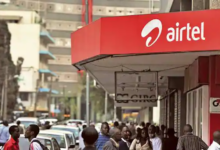

Telecom operators across Africa have invested heavily in expanding networks, improving broadband access and increasing smartphone adoption. Yet connectivity has not translated equally across communities.
Women are often affected by multiple barriers at the same time. A household may have internet access, but the smartphone may belong to a male family member. A woman may have access to a device but lack confidence using digital services. Others may avoid online platforms because of concerns around fraud, privacy or social restrictions.
According to the GSMA, closing the mobile gender gap between 2023 and 2030 could generate US$1.3 trillion in additional GDP and create US$230 billion in additional revenue opportunities for the mobile industry.
For telecom companies, connecting more women represents a commercial opportunity as much as a development goal.
Affordability remains the biggest obstacle.
For many households in emerging markets, buying an internet-enabled smartphone represents a significant financial decision. The GSMA estimates that for the poorest 20% of people in Sub-Saharan Africa, a basic smartphone can consume between 80% and 95% of average monthly income.
The cost challenge extends beyond the handset itself. Data bundles, charging access and digital services all influence whether someone remains an active internet user.
Digital skills create another barrier. Owning a phone does not automatically mean someone can use online banking, access government services, identify scams or build an online business.
This gap has become visible as more services move online, from financial platforms to education resources and business tools.
Artificial intelligence is adding another layer to the affordability challenge.
The GSMA has warned that growing demand for memory components used in AI systems could increase smartphone manufacturing costs, with the biggest impact likely felt in entry-level devices.
That matters because affordable smartphones are the main gateway to mobile internet access across many African markets.
If low-cost devices become more expensive, households that are already deciding between essential expenses and digital access may find it harder to upgrade.
The challenge could affect women disproportionately because women are already less likely to own smartphones independently in many markets.
Mobile financial services provide one of the clearest examples of how digital access can create economic opportunities.
In Kenya, platforms such as M-Pesa have helped millions of people access payments, savings and financial services through mobile phones. Similar models across Africa have created opportunities for small businesses, especially among women running informal enterprises.
Pakistan’s JazzCash offers another example. The digital financial services platform has built a large ecosystem of customers, merchants and agents while supporting women entrepreneurs who use mobile payments and digital credit tools to grow businesses.
The lesson for telecom operators is that connectivity becomes more valuable when services solve everyday problems.
A woman who uses a phone to receive payments, manage a business, access credit or communicate with customers is more likely to see the device as a necessity rather than an optional expense.
Reducing Africa’s mobile gender gap will require cooperation between governments, telecom operators, financial institutions and community organisations.
Operators can play a role by developing affordable device financing options, creating simpler digital services and investing in digital literacy programmes.
Financial services providers can help by designing products that address the needs of women entrepreneurs rather than treating them as a single customer segment.
There is also a need to address social barriers that influence who controls access to technology within households.
As mobile connectivity becomes central to education, employment and financial services, excluding women from digital platforms limits the growth potential of entire economies.
Africa’s next telecom opportunity may not come from simply connecting more locations. It may come from connecting the people who have been left out of the digital economy.
Download the free Kaspersky SMB Cybersecurity Guide here to learn how businesses can move beyond traditional antivirus and build a more resilient approach to cybersecurity.


