
Bolt puts Mombasa’s tuk-tuks on its app as ride-hailing options expand across the city

Bolt has added tuk-tuks to its ride-hailing offering in Mombasa, giving passengers another way to move around the coastal city alongside motorcycles and cars.
The addition puts one of Mombasa’s most familiar forms of transport inside the Bolt app, allowing users to request a tuk-tuk digitally rather than arranging the trip through the conventional street-based system. For passengers searching for Bolt tuk-tuks in Mombasa, the important development is therefore the arrival of the three-wheelers as a bookable category on the platform.
The move reflects the particular role tuk-tuks play in Mombasa. Mombasa County revenue records cited in the announcement put the number of tuk-tuks operating in the city at about 4,000, giving some indication of how deeply the vehicles are embedded in the local transport economy. They are commonly used for shorter journeys, trips through busy neighbourhoods and routes where a compact three-wheeler can be more practical than a larger car.
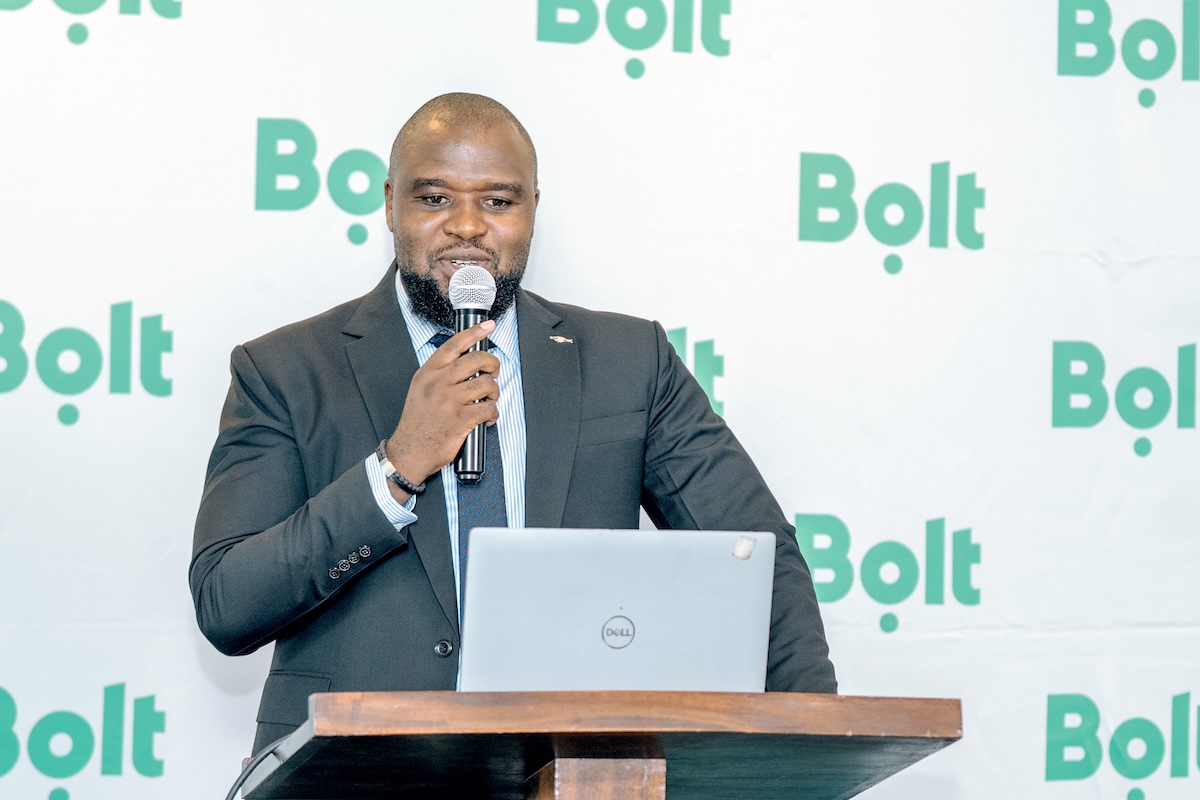
Dimmy Kanyankole, Senior General Manager at Bolt East Africa, said the company took Mombasa’s transport culture into account when adding the service. “Every city has its own transport culture, and Mombasa’s is one of the most distinctive in Kenya,” Kanyankole said, arguing that Bolt’s role is to make the existing transport experience more accessible and convenient.

That approach is important because Bolt is not introducing tuk-tuks to Mombasa. The vehicles were already a major part of how residents and visitors get around the city. What changes is the way passengers can access them. A customer who already uses Bolt for a car or motorcycle can now compare those options with a tuk-tuk within the same digital platform, depending on the journey, available vehicles and fare.
Bolt gave a Mwembe Tayari Road-to-Mama Ngina Waterfront journey as an example, putting the tuk-tuk fare at about KSh190, although the company noted that prices are subject to market conditions. A comparable boda boda trip was cited at about KSh160 for one passenger. The comparison illustrates the role Bolt is positioning the category to play: passengers can make a choice based on the number of people travelling, the type of journey, convenience and what the app is charging at the time.
The same logic applies to journeys around destinations such as Mombasa Old Town, Moi Avenue and Likoni Ferry. Tuk-tuks have a physical advantage on many short urban trips because they can carry several passengers while taking up less road space than a car. Putting that service on a ride-hailing platform also gives passengers a clearer way to request a vehicle and potentially compare the available transport modes before starting a trip.
For operators, the development creates another route into the digital mobility economy. Instead of relying entirely on passengers who hail tuk-tuks from the roadside or through existing personal arrangements, participating drivers can receive bookings through a platform that already has a customer base in Mombasa. The commercial value of that arrangement will ultimately depend on demand, fares, commissions, operating costs and how consistently drivers can secure trips.
There is also an important electric-mobility angle around Mombasa’s tuk-tuk market, but the two developments should not be conflated.
RhingGo, which has been deploying its RM-T300 electric tuk-tuk in Mombasa, launched the model in the city in late 2025. The vehicle uses a swappable battery and has a solar range-extender system that RhingGo says can provide additional daily range. The company has also established battery-swapping infrastructure in Mombasa as part of its wider Kenyan electric mobility network.
RhingGo has separately indicated that its RM-T300 has joined the Bolt fleet. That establishes a connection between RhingGo’s electric tuk-tuk business and Bolt’s broader fleet ecosystem, but it does not establish that the tuk-tuks Bolt has now made available to passengers in Mombasa are RhingGo vehicles or that Bolt’s new Mombasa category is an electric-tuk-tuk service.
That distinction matters. Bolt’s announcement about the Mombasa rollout describes the vehicles simply as tuk-tuks and focuses on their place in the city’s transport culture. Bolt’s Mombasa service page also confirms the availability of Bolt rides and other services, but the material available does not identify the tuk-tuk category by manufacturer, vehicle model or powertrain. The evidence therefore supports saying that Bolt has added tuk-tuks in Mombasa, while the stronger claim that Bolt has launched electric tuk-tuks in the city would require confirmation from Bolt or another reliable source.
The distinction is particularly relevant because RhingGo’s RM-T300 is built around a commercial operating model that differs from a conventional petrol tuk-tuk. Its swappable batteries are intended to reduce downtime, while the company’s claimed 110-kilometre range and solar range extender are designed around the demands of passenger transport. RhingGo has also marketed the vehicle through financing arrangements, making the economics of ownership a central part of its proposition.
Fleevigo provides another example of how electric vehicles are beginning to intersect with Bolt’s Kenyan ride-hailing business. The company says it has a partnership with Bolt involving Bolt-branded electric motorcycles, with riders receiving access to battery swapping, fleet support and other incentives. Fleevigo says more than 30 Bolt-branded electric motorcycles are operating under its fleet, although that partnership concerns motorcycles rather than the newly introduced Mombasa tuk-tuk category.
Taken together, these developments show that Bolt’s relationship with electric mobility in Kenya is broader than the Mombasa tuk-tuk announcement. Electric motorcycles are already being incorporated into parts of its fleet ecosystem, while RhingGo has separately associated its RM-T300 with Bolt. But the available evidence does not yet justify presenting the Mombasa tuk-tuk rollout itself as an electric-vehicle launch.
For Mombasa passengers, the immediate change is simpler. A familiar transport option has been added to a platform they may already use for other journeys. Instead of choosing between a roadside tuk-tuk, motorcycle or car through separate arrangements, a Bolt customer can use the app to select from the categories available for the journey.
That could prove useful in a city where transport preferences vary sharply by route. Someone heading through the tighter streets around Old Town may prefer a tuk-tuk, while another passenger travelling farther or carrying more luggage may favour a car. A single platform gives passengers another way to make that decision, while giving operators access to a digital demand channel.
Bolt’s move also places the company closer to the realities of Mombasa’s existing mobility economy. The company has operated ride-hailing services in the city for some time, including trips connecting areas and destinations such as Mombasa Airport and Likoni Ferry. Adding tuk-tuks extends the range of vehicles through which it can serve that market without requiring passengers to change platforms.
The larger question will be what happens to the economics for drivers. Digital bookings can provide additional demand, but operators still have to account for fuel or electricity, maintenance, platform commissions, financing and vehicle downtime. For electric tuk-tuks, battery access and swapping infrastructure add another consideration. Whether those vehicles can consistently generate better operating economics than petrol alternatives will depend on utilisation and the reliability of the supporting energy network.
Download the FREE Kaspersky Next Enterprise Security Guide here to explore the complete framework for simplifying security operations and building cyber resilience.
Go to TECHTRENDSKE.co.ke for more tech and business news from the African continent and across the world.
Follow us on WhatsApp, Telegram, Twitter, and Facebook, or subscribe to our weekly newsletter to ensure you don’t miss out on any future updates. Send tips to editorial@techtrendsmedia.co.ke