

Treasury opens Finance Bill 2027 consultations early before election year

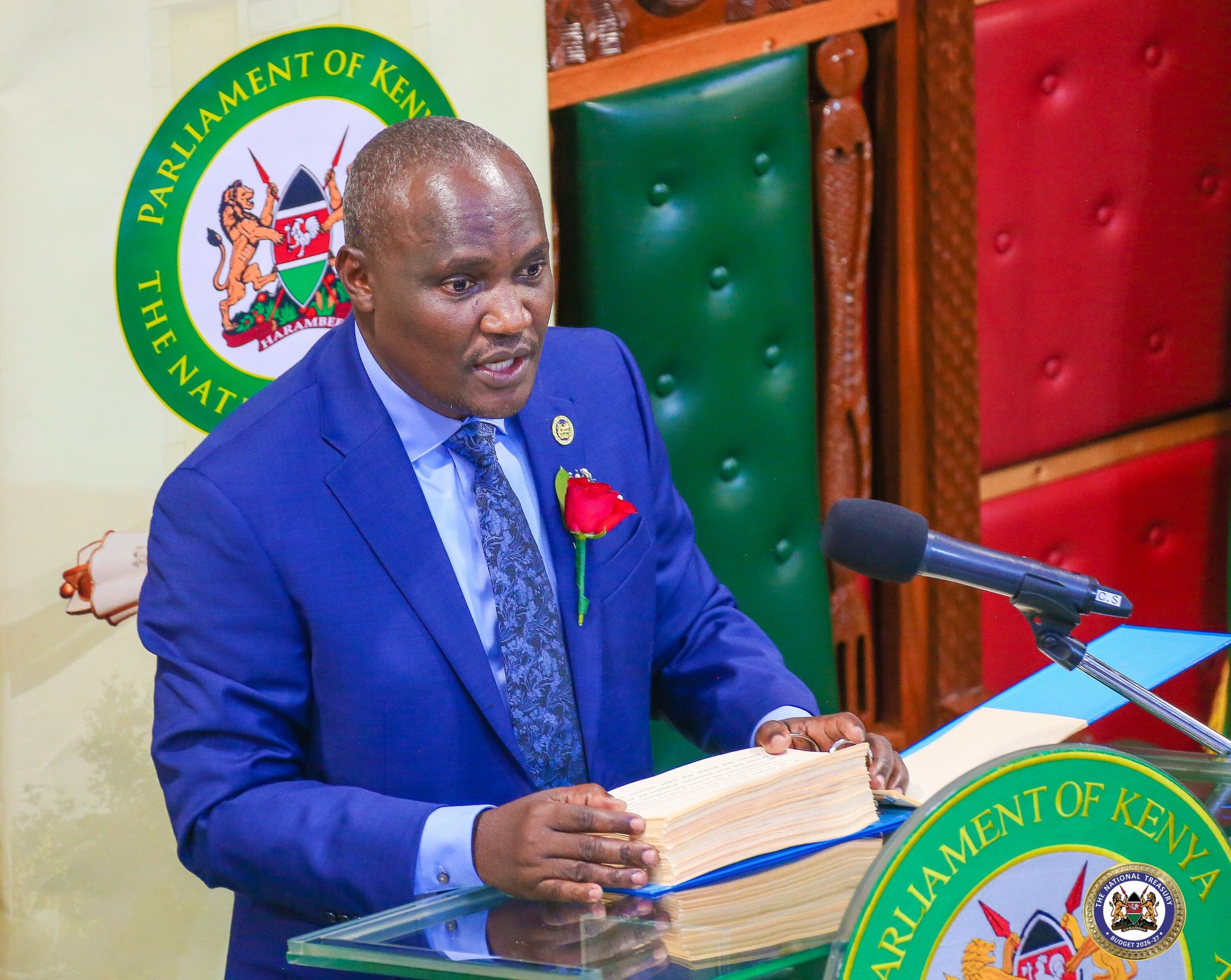
Kenya’s National Treasury has formally begun preparations for the Finance Bill 2027, opening public consultations months earlier than is typical as the government moves to complete next year’s tax legislation before the country heads into the 2027 General Election.
In a public notice dated July 27, the Treasury invited Kenyans, businesses, professional bodies and other stakeholders to submit proposals for changes to tax laws by August 31. The consultation marks the first stage of preparing the Finance Bill 2027 and comes well ahead of the timetable normally followed during the annual budget cycle.
Treasury says the accelerated schedule is necessary because Parliament is expected to suspend much of its legislative business ahead of the August 10, 2027 General Election. By bringing consultations forward, the government intends to have the Finance Bill drafted, debated and enacted before lawmakers break for election campaigns.
The ministry says proposals should identify specific amendments to existing tax laws and include supporting evidence or economic justification. Stakeholders have also been asked to submit recommendations on East African Community customs measures, including tariff adjustments and duty remission schemes, while ensuring their proposals align with the government’s Bottom-Up Economic Transformation Agenda (BETA).


Why Treasury has opened Finance Bill 2027 consultations early
Public participation is a routine part of Kenya’s budget process, but the timetable announced this year is not. Treasury plans to submit the Finance Bill to the National Assembly in January 2027, several months earlier than would ordinarily be expected, allowing enough time for parliamentary consideration before election activities begin.
The ministry acknowledged that the election calendar drove the decision.
“Cognizant that year 2027 is an election year, there is need to fast-track the National Fiscal Budget process to ensure smooth government operations,” the notice states.
Bringing the process forward reduces the risk of tax legislation being delayed by an election timetable that could limit parliamentary sittings or compress debate on fiscal measures.
The announcement also follows a separate Treasury consultation launched in July on proposed adjustments to Pay As You Earn (PAYE) tax bands, suggesting officials are beginning multiple strands of tax policy work well before formal drafting starts.
How the Finance Bill process works
Although the Finance Bill attracts public attention when it reaches Parliament, its development begins much earlier.
Treasury first collects proposals from businesses, industry associations, professional organisations, citizens and government agencies. Those submissions are assessed before officials prepare draft legislation, which is then presented to Parliament for debate, amendment and approval.
That early consultation stage can have a meaningful effect on the final legislation. During deliberations on the Finance Bill 2026, lawmakers amended or rejected several Treasury proposals after receiving submissions from businesses, industry groups and other stakeholders. Among the changes were proposals affecting smartphone taxation, VAT on mobile money transfers and parts of the government’s planned expansion of tax enforcement powers.
Those outcomes demonstrated that stakeholder engagement can influence both the content of the Bill and Parliament’s approach when the legislation reaches committee hearings.
Why public proposals matter before drafting begins
Treasury has asked contributors to support every recommendation with evidence rather than broad policy arguments alone.
For businesses, this is the point at which industry concerns can be presented before legislative drafting is completed. Manufacturers may seek changes to excise or customs rules, financial institutions could recommend amendments affecting tax administration, while trade associations may propose revisions to VAT, income tax or investment incentives.
Once a Finance Bill has been drafted and tabled in Parliament, changing individual provisions often requires lawmakers to introduce amendments during committee and House deliberations, making early participation one of the most effective opportunities to shape policy.
The consultation also gives Treasury an opportunity to identify areas where existing tax laws create administrative challenges or unintended economic effects before formal legislative proposals are prepared.
What happens next before the Finance Bill reaches Parliament
After the consultation closes on August 31, Treasury will review submissions and decide which proposals should be incorporated into the draft Finance Bill 2027.
The completed Bill is expected to be presented to the National Assembly in January 2027 before moving through committee scrutiny, public debate and parliamentary amendments. If the accelerated timetable is maintained, lawmakers would have several months to consider the legislation before election-related business begins to dominate Parliament’s calendar.
For businesses and taxpayers, the current consultation should not be interpreted as an indication that new taxes have already been proposed. Treasury is collecting recommendations rather than publishing policy decisions, and no draft Finance Bill has yet been released.
What the announcement does confirm is that the government is reshaping the budget calendar to accommodate the demands of an election year while preserving enough legislative time for Parliament to consider one of the country’s most consequential annual pieces of economic legislation.
Go to TECHTRENDSKE.co.ke for more tech and business news from the African continent and across the world.
Follow us on WhatsApp, Telegram, Twitter, and Facebook, or subscribe to our weekly newsletter to ensure you don’t miss out on any future updates. Send tips to editorial@techtrendsmedia.co.ke


