
Fresh Funding Takes Safaricom's Ethiopia Investment to KSh159.6 Billion

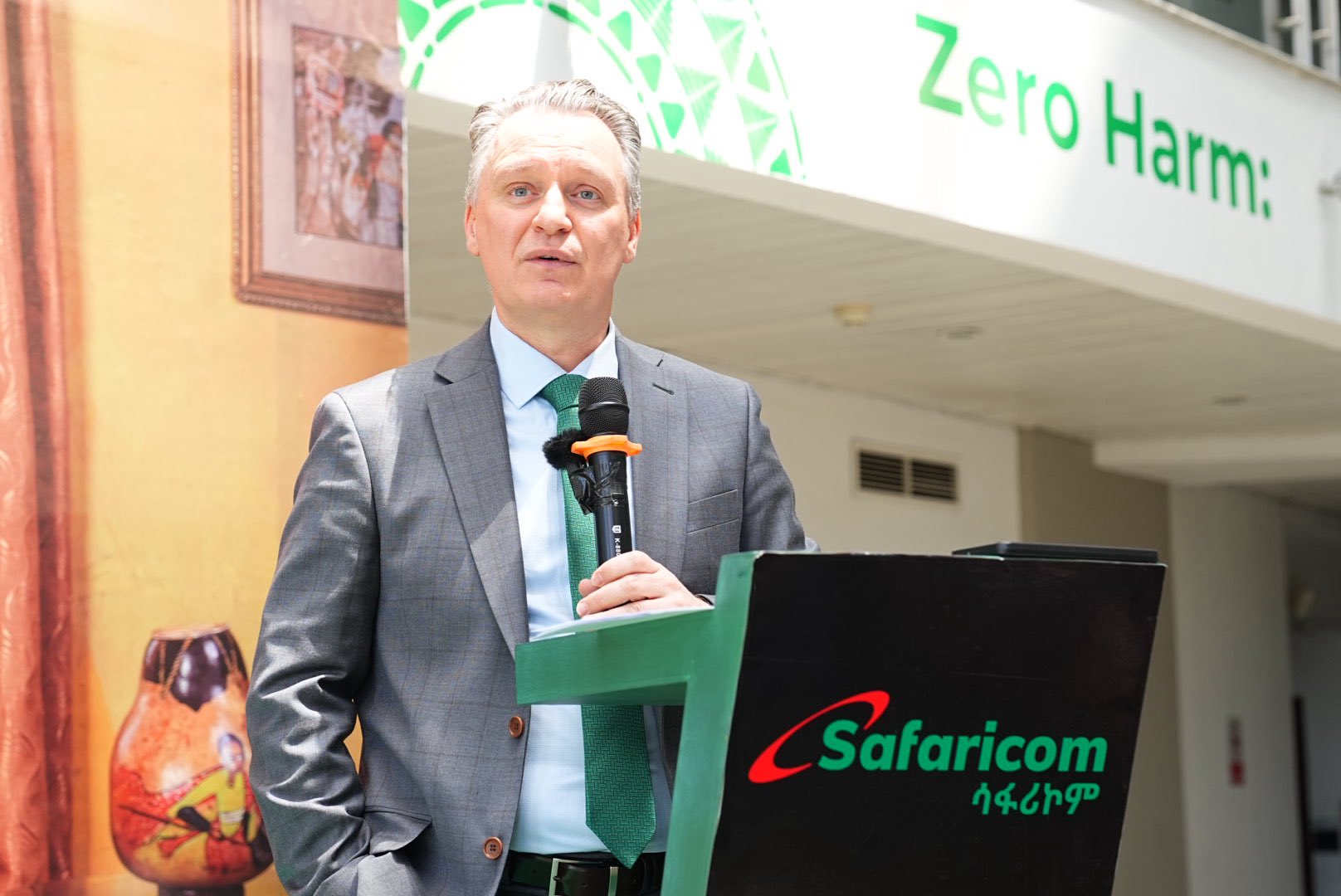
Safaricom Plc increased its financial commitment to its Ethiopia subsidiary by KSh1.4 billion during the three months to June 2026, taking its cumulative investment in the business to KSh159.6 billion ($1.234 billion) as the operator continues backing one of Africa’s largest telecom expansion projects.
Fresh disclosures show Safaricom’s funding contribution rose from KSh158.2 billion ($1.223 billion) at the end of March, highlighting that the company is continuing to inject capital into the business even as it moves closer to EBITDA profitability, targeted for March 2027.
The latest figures also illustrate the scale of the investment required to build a nationwide telecom operator in Ethiopia, where Safaricom competes with the long-established state-owned incumbent while expanding network infrastructure, customer acquisition and digital financial services.
The Ethiopian operation has now attracted KSh345.7 billion ($2.672 billion) in total funding.


According to Safaricom, the capital structure comprises KSh298.3 billion ($2.306 billion) in shareholder equity, KSh15.5 billion ($120 million) in local currency debt and KSh31.8 billion ($246 million) in foreign currency borrowings provided by Standard Bank and the International Finance Corporation (IFC).
The company said the business continues to rely on a combination of shareholder funding, deferred vendor payments and third-party financing as it expands operations.
“Safaricom Ethiopia is funded through shareholder equity, deferred vendor payments and third-party borrowings. Shareholders of the Global Partnership consortium for Ethiopia (GPE) contributed US$2.306 billion as of June 30, 2026,” the company said in its latest funding update.
Safaricom added that the funding includes the $850 million telecom licence and the $150 million M-PESA licence, while the operating company has also secured financing from the local market.
The additional funding comes as Safaricom Ethiopia works toward reaching EBITDA break-even by March 2027, a milestone management believes is achievable after narrowing losses during the last financial year.
The operator recently reported 14.7 million active customers, up from 13.63 million three months earlier, while annual losses fell to KSh21.2 billion during the year ended March 2026.
Those improvements have strengthened confidence that the business is moving beyond its initial network rollout phase toward one where operating performance becomes the primary focus.
The latest funding disclosures indicate Safaricom remains prepared to continue supporting that transition despite the substantial capital already committed.
Safaricom’s Ethiopian venture represents the company’s largest expansion outside Kenya and one of the most capital-intensive investments in its history.
The continued funding also aligns with broader developments within the Vodacom Group. After increasing its ownership of Safaricom to 55 percent, Vodacom raised its long-term revenue and EBITDA growth ambitions, with Ethiopia expected to become an important contributor to future group performance as losses narrow and revenues expand.
While the pace of future funding remains unclear, the latest disclosures suggest Safaricom continues to view Ethiopia as a long-term growth market where additional capital today is expected to support stronger operating performance over the coming years.
Download the free Kaspersky SMB Cybersecurity Guide here to learn how businesses can move beyond traditional antivirus and build a more resilient approach to cybersecurity.
Go to TECHTRENDSKE.co.ke for more tech and business news from the African continent and across the world.
Follow us on WhatsApp, Telegram, Twitter, and Facebook, or subscribe to our weekly newsletter to ensure you don’t miss out on any future updates. Send tips to editorial@techtrendsmedia.co.ke