Kenya’s Digital Payments Expand as Banking Interoperability Gains Ground

Kenya’s payments landscape has moved well beyond mobile money, with contactless cards, QR codes and instant bank transfers becoming part of everyday transactions for millions of Kenyans.
A decade ago, digital payments in Kenya meant mobile money. Today, paying for groceries with a contactless card, scanning a QR code at a restaurant, or settling school fees through a banking app has become routine.
Central Bank of Kenya data for March showed 91.39 million registered mobile money accounts served by 621,389 active agents. The Communications Authority reported about 53.4 million mobile money subscribers at the end of the first quarter, figures that point to a maturing market moving beyond peer-to-peer transfers.
Point-of-sale transactions rose from Ksh291.9 billion to Ksh297 billion over the past year, covering 61.7 million individual transactions, as more merchants adopt card payments. QR codes have extended digital acceptance to small businesses that cannot afford traditional POS terminals, while contactless payments have shortened queues at supermarkets, pharmacies and restaurants.


Instant account-to-account transfers, led by services such as PesaLink, now allow customers to move money between banks in seconds. Growing interoperability between banks, SACCOs and mobile wallets is removing the barriers that once tied customers to a single provider.
For businesses, faster settlement means quicker access to working capital, better cash flow management and less time spent on reconciliation. Application Programming Interfaces (APIs) have made much of this possible, connecting banking services directly to accounting software, payroll systems, e-commerce platforms and merchant management tools.

Pricing has simplified alongside these changes. A growing number of lenders now offer free PesaLink transfers up to Ksh1,000, with a flat Ksh20 fee applied above that threshold, replacing the older tiered pricing model.
SBM Bank leads with payments-led turnaround
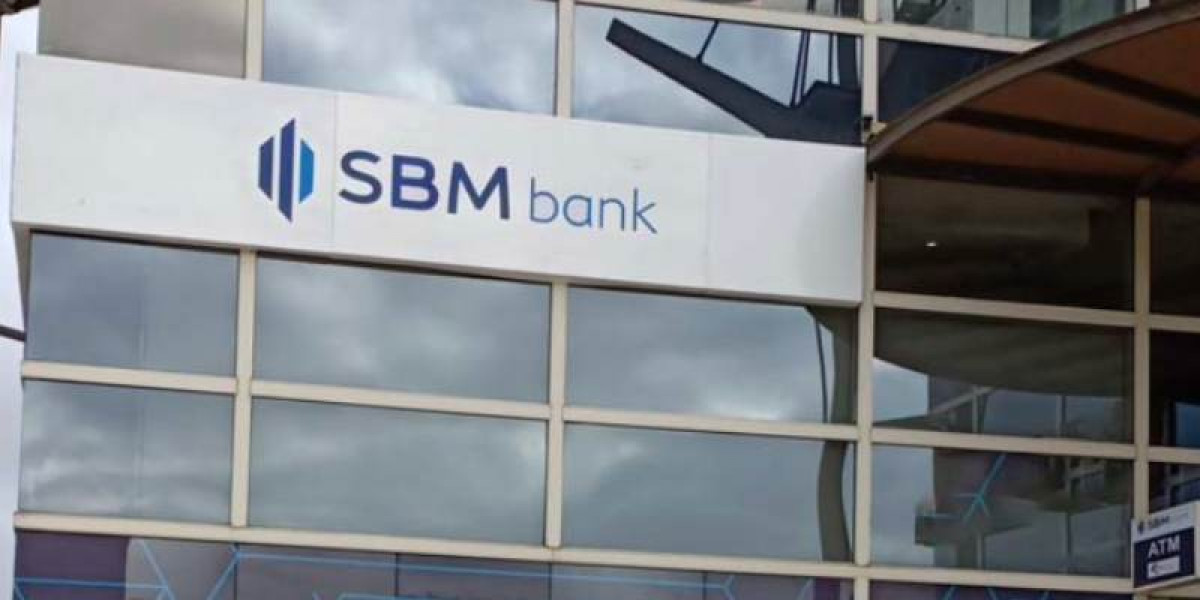
SBM Bank Kenya has positioned its digital push at the centre of a broader financial turnaround. The lender posted a Half 1 2026 Profit Before Tax of KES 548 million from KES 202 million in the corresponding period last year, with customer deposits rising 24 percent to Ksh94 billion and total assets growing to Ksh109.9 Billion.
As part of that strategy, SBM made PesaLink transfers free for transactions below Kes 1 Million from May 1, 2026 – a move the bank said was intended to remove friction and drive adoption of instant digital payments. “We are building a different kind of bank in Kenya, a payments-led bank that customers trust for everyday transactions. When you win transactions, you win the relationship, and the economics follow,” the SBM Bank CEO, Bhartesh Shah said.
The bank’s flagship Mfukoni app supports instant transactions through PesaLink, EFT and RTGS, alongside M-PESA integration, merchant collections, bulk payments and real-time account management from a single interface. Customers can view balances, transaction histories and payment notifications, while businesses can automate collections and reconcile payments directly through the platform. The app has picked up industry recognition, including a Gazet International award for digital banking innovation- in recognition of the Mfukoni Banking app.
In March 2026, SBM launched the Busara Banking App, a family-focused platform integrated with Mfukoni that lets parents assign chores, approve allowances and monitor children’s financial activity, alongside a Mastercard prepaid multicurrency card for supervised e-commerce transactions. The bank has also begun migrating customers to Mastercard-branded cards in phases, adding tap-to-pay functionality, travel insurance, fraud protection and wider global acceptance as part of the shift.
The Central Bank of Kenya’s National Payments Strategy has prioritised interoperability across the financial sector, while the migration to ISO 20022 messaging standards is improving the quality of payment information exchanged between institutions. These changes are largely invisible to customers but are laying the groundwork for faster, better-connected payment services across Kenya’s financial system.
Download the free Kaspersky SMB Cybersecurity Guide here to learn how businesses can move beyond traditional antivirus and build a more resilient approach to cybersecurity.
Go to TECHTRENDSKE.co.ke for more tech and business news from the African continent and across the world.
Follow us on WhatsApp, Telegram, Twitter, and Facebook, or subscribe to our weekly newsletter to ensure you don’t miss out on any future updates. Send tips to editorial@techtrendsmedia.co.ke