
Stripe’s Reported Bid for PayPal Puts Its Africa Strategy Under the Spotlight

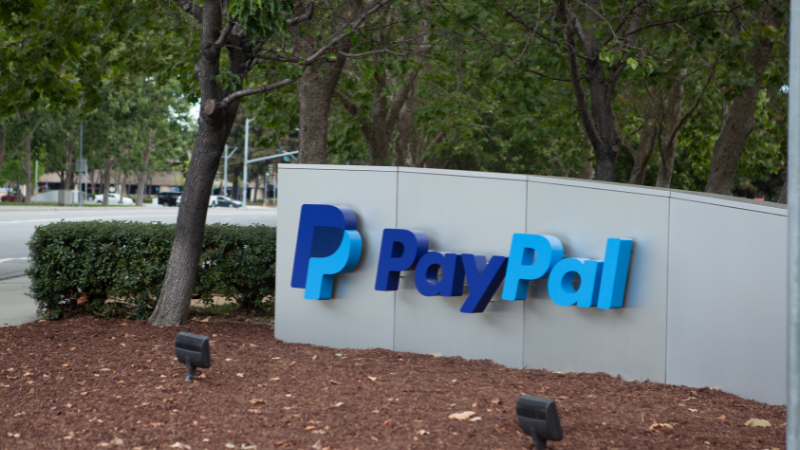
Stripe’s reported PayPal acquisition bid has reopened questions about the future of one of the world’s largest digital payments companies—and its ambitions across Africa.
Stripe and private equity firm Advent International have made an offer valued at about $53 billion, giving PayPal another strategic decision just months after new CEO Enrique Lores launched a broad turnaround plan.
The proposal comes at a time when PayPal is doing more than cutting costs. The company has been rebuilding its consumer business, expanding financial services and deepening its presence across the Middle East and Africa, making the outcome of any deal relevant well beyond Silicon Valley.
Lores inherited a company under pressure from fierce competition, slowing growth and investor frustration. His response has echoed the approach that defined his leadership at HP: simplify the business, trim expenses and redirect investment toward areas with stronger long-term potential.
PayPal has already announced plans to remove at least $1.5 billion in costs while reorganizing operations. One notable change places Venmo inside a dedicated consumer division, giving the fast-growing payments platform greater strategic focus.
That restructuring also makes PayPal a more attractive acquisition target. Stripe would gain access to one of the world’s largest consumer payments ecosystems while combining PayPal’s global merchant relationships with its own payment-processing infrastructure.
Venmo remains one of the company’s strongest assets. The platform continues to attract younger consumers and has delivered solid revenue growth, reinforcing its strategic value within PayPal’s wider consumer business.
The reported bid is about far more than PayPal’s familiar checkout button.
PayPal still operates one of the world’s largest consumer and merchant payment networks. While Apple Pay, Google Pay and Cash App have intensified competition, the company has spent the past two years repositioning itself around cross-border commerce, digital wallets and broader financial services.
That strategy extends beyond payments.
In December 2025, PayPal applied to establish PayPal Bank, a Utah-chartered industrial bank that would allow the company to accept deposits directly and expand lending to American small businesses without relying as heavily on banking partners. If approved, it would give PayPal greater control over services traditionally handled by banks.
The company has also introduced PayPal World, an initiative designed to connect domestic payment systems with PayPal’s international commerce network, making it easier for users to transact globally without relying solely on traditional banking products.
Those initiatives could become even more valuable to an acquirer seeking both established infrastructure and future growth opportunities.
Africa has quietly become one of the regions where PayPal is laying new foundations.
The company opened its regional headquarters in Dubai in 2025 before announcing a $100 million commitment to support digital commerce across the Middle East and Africa through investments, acquisitions, PayPal Ventures funding, engineering talent and technology deployments.
Rather than attempting to replace established payment platforms, PayPal has largely chosen to work alongside them.
Kenya offers one of the clearest examples.
Last year, PayPal and Safaricom moved PayPal services directly into the M-PESA App, replacing the older web-based experience powered by Thunes. The integration allows eligible users to connect their PayPal accounts within M-PESA, making international transfers more accessible for freelancers, online merchants and businesses serving overseas customers.
The approach has since extended beyond Kenya.
In May 2026, Vodacom Tanzania introduced direct PayPal integration within the M-PESA Super App, giving Tanzanian users similar access to cross-border transfers without relying on separate online portals.
Those partnerships demonstrate PayPal’s willingness to build on payment networks that millions of consumers already use instead of competing directly against them.
The expansion, however, has unfolded alongside tighter compliance measures.
In Kenya, some PayPal users have had their accounts temporarily frozen or permanently limited after the company requested additional verification, including proof of employment, contracts, bank statements and residential addresses as part of its anti-money laundering procedures. Under PayPal’s policies, some restricted balances may be held for up to 180 days before users can withdraw remaining funds while the company assesses potential financial liabilities.
That reflects the regulatory environment PayPal operates within. International payment providers face growing obligations to verify customers, monitor suspicious transactions and comply with anti-money laundering requirements across multiple jurisdictions.
For many freelancers, software developers, online merchants and digital creators in Kenya, PayPal remains one of the primary gateways for receiving payments from overseas clients. At the same time, stricter identity verification has become a source of frustration for some legitimate users whose accounts have faced temporary restrictions during compliance reviews.
PayPal’s African strategy nevertheless reflects a broader commercial objective.
Cross-border commerce remains one of the company’s strongest opportunities as more African businesses sell products and services to international customers. Connecting local wallets with PayPal’s global payments network could reduce barriers for exporters, online sellers, software developers, creators and remote workers earning income from overseas platforms.
That complements the company’s banking ambitions in the United States and its broader effort to become part of customers’ everyday financial lives rather than simply providing an online checkout option.
There is no certainty that Stripe and Advent’s proposal will result in a transaction.
If negotiations progress, regulators would likely examine how combining two major payments companies could affect merchants, competition and digital payments infrastructure.
For African markets, another question stands out.
Would a new owner accelerate PayPal’s partnerships with mobile money providers and local fintech companies, or would investment priorities change following an acquisition?
Those decisions could influence future collaborations with companies already embedded in regional commerce while shaping how PayPal expands services across emerging markets.
PayPal has not publicly accepted the reported offer.
For now, Enrique Lores remains focused on a turnaround designed to restore growth while modernizing the company’s technology, operations and consumer business.
Whether PayPal remains independent or becomes part of a larger payments group, Africa is no longer a side market in the company’s strategy. Mobile money partnerships, cross-border commerce, engineering investment and regional expansion have become meaningful assets that strengthen PayPal’s long-term value. At the same time, tighter compliance requirements illustrate that expanding across African markets requires more than new products. Any future owner would inherit both the commercial opportunity and the regulatory responsibilities that come with serving millions of users across diverse financial systems.
Download the free Kaspersky SMB Cybersecurity Guide here to learn how businesses can move beyond traditional antivirus and build a more resilient approach to cybersecurity.