
Kenya's mobile money market is growing even as its registered agent network contracts

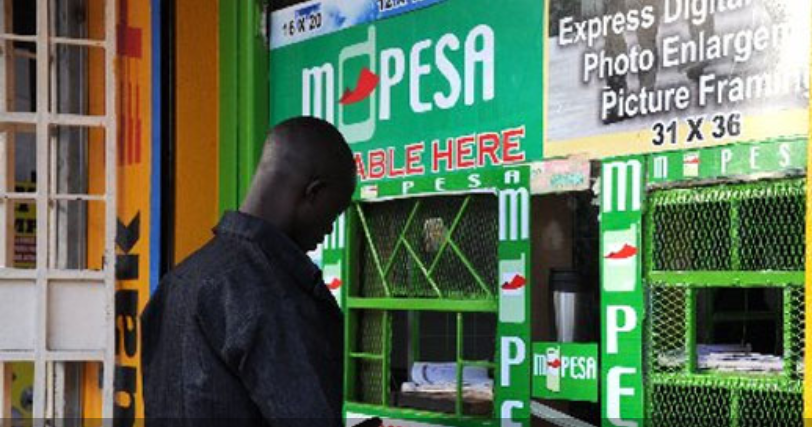
Kenya’s mobile money market added users in the quarter to June 2026, but its physical agent network moved in the opposite direction.
Mobile money subscriptions increased 1.2% from 53.37 million to 54.01 million, while the number of registered mobile money agents fell 5.6%, from 602,470 to 568,463, according to the Communications Authority of Kenya.
The two figures describe very different parts of the same market. The subscription count measures mobile money accounts, while the agent figure represents registered physical access points used for services such as cash deposits and withdrawals. The latest numbers therefore show continued growth in the digital account base alongside a smaller registered agent network.
The decline is particularly notable because the previous quarter produced an unusually large increase in registered agents. Between December 2025 and March 2026, the CA recorded a 20.2% increase in registered agents, adding more than 101,000 to reach 602,470. Three months later, 34,007 of those registered agents were no longer included in the CA’s count.


The agent decline does not mean 34,000 active outlets disappeared
The CA figure needs to be separated from another official measure before drawing conclusions about physical access to mobile money. The Central Bank of Kenya recorded 572,104 active mobile money agents in June 2026, compared with 548,010 in April, meaning its active-agent series was rising through the quarter even as the CA’s registered-agent count fell.
The two regulators use different reporting frameworks, so the figures should not be treated as directly interchangeable. What the data establish is narrower: the CA recorded fewer registered agents at the end of June, while CBK’s monthly data showed an increase in active agents during the same quarter.

That distinction changes the interpretation of the headline. The latest CA number is evidence that the registered network has contracted from its March peak, but it does not by itself establish that tens of thousands of operating mobile money outlets closed or that customers suddenly lost access to agents.
The March figure also deserves context because it came after a 20.2% quarterly jump. The CA does not, in the sector statistics, attribute the subsequent fall to a specific cause, so the available data cannot establish whether the entire movement represents businesses leaving the market, registration changes, inactive outlets being removed from the count, or some combination of factors.
Agent economics provide a stronger clue
There is evidence of pressure on the economics of running a mobile money outlet. Business Daily reported in July that average annual commissions per M-Pesa agent fell to an estimated KSh112,244 in the year ended March 2026, down from KSh124,720 in 2025 and KSh144,355 in 2024.
Those figures are estimates derived from Safaricom’s total agent commissions and reported agent numbers, rather than measurements of individual outlets’ profits. They nevertheless show that the amount of commission attributable to each agent has been falling even as the M-Pesa network has expanded.
Safaricom reported 333,011 M-Pesa agents in the financial year ended March 2026, up from 298,890 a year earlier. The same period therefore produced two contrasting conditions within the dominant mobile money network: more agents overall, but lower estimated average commission per agent.
For an individual outlet, commissions are only part of the economics. Rent, staff costs, cash management, security and the amount of working capital tied up in the business all affect whether an outlet remains viable. A national fall in registered agents can therefore occur even when the underlying mobile money platform continues to add accounts and process large transaction volumes.
More mobile money activity is happening away from the cash counter
The other pressure comes from the changing way mobile money is used. Kenya’s National Financial Inclusion Strategy says person-to-merchant payments have grown significantly through digital merchant onboarding and QR-based payments, accounting for about 30% of transaction volumes in the strategy’s cited data. It also points to growing use of person-to-government and government-to-person payments, alongside wallet-linked savings, credit, insurance and other financial products.
These services allow customers to use mobile money without necessarily visiting an agent for every transaction. Paying a merchant directly from a phone, settling a bill, buying a service or moving money between digital accounts can all reduce the need for a cash-in or cash-out visit, even when the underlying mobile money account remains active.
That does not make agents obsolete. Cash remains a major part of Kenya’s payments system, and agents continue to provide the physical interface for customers who need to convert cash into digital balances or withdraw money from their wallets.
The Central Bank’s June figures show how large that physical cash channel remains. Active agents processed 212.45 million cash-in and cash-out transactions worth KSh682.46 billion during the month, demonstrating that the agent network continues to handle substantial volumes even as other mobile money use cases expand.
Kenya has already seen cash activity come under pressure
The longer-term numbers provide another piece of the picture. The Kenya National Bureau of Statistics reported in the Economic Survey 2026 that mobile money transfer agents increased 26.8% in 2025 to 501,399, while mobile money subscribers increased 21.4% to 51.4 million.
At the same time, the value of deposits made through agents declined for the second consecutive year, falling 10.1% to KSh5.5 trillion in 2025. That combination is significant because it shows that growth in the number of agents and growth in mobile money accounts did not automatically produce equivalent growth in cash deposits through agents.
The pattern suggests that the physical agent business and the broader mobile money business are no longer moving in lockstep. Accounts can continue to grow while more transactions are completed digitally, and an agent can face weaker economics even when the mobile money platform itself is expanding.
That helps put the latest CA figures into perspective. The 34,007-agent quarterly decline is substantial on paper, but it comes after a much larger registration increase in the preceding quarter and alongside continued demand for cash-in and cash-out services.
The mobile money market is separating into digital and physical layers
Kenya’s 54 million mobile money subscriptions therefore tell only one part of the story. The country has a very large installed base of mobile wallets, while the physical network that supports cash transactions is subject to different commercial pressures.
The agent business also sits within a market where M-Pesa remains dominant, accounting for 88.8% of mobile money subscriptions in the June quarter. That concentration means developments in the economics of the largest provider’s agent network can have a material effect on the wider physical distribution system.
The latest figures do not establish that Kenyans are abandoning agents, nor do they establish a single reason for the fall in registered outlets. They show a mobile money market where account growth continues, cash services remain large, and the economics and composition of the physical agent network are changing.
The more important question for the sector is therefore how many agents remain economically viable as customers use mobile money for a wider range of transactions directly from their phones. The available evidence points to several forces at work, including lower commission income per agent, stronger digital merchant payments and a longer-running decline in some forms of agent-based cash activity, but the CA’s latest report does not identify one cause for the quarterly fall in registered agents.
Real ESG impact doesn’t happen in panels alone, it happens in the rooms where financiers, operators, and policymakers actually align. Our GreenShift Forum 2026 cuts the noise, bringing together the people rewiring Africa’s sustainability and energy frameworks for one focused day in Nairobi. Secure your seat.
Go to TECHTRENDSKE.co.ke for more tech and business news from the African continent and across the world.
Follow us on WhatsApp, Telegram, Twitter, and Facebook, or subscribe to our weekly newsletter to ensure you don’t miss out on any future updates. Send tips to info@techtrendsmedia.co.ke


