
GreenShift Forum 2026 preview offers an early look at the conversations shaping East Africa’s green economy

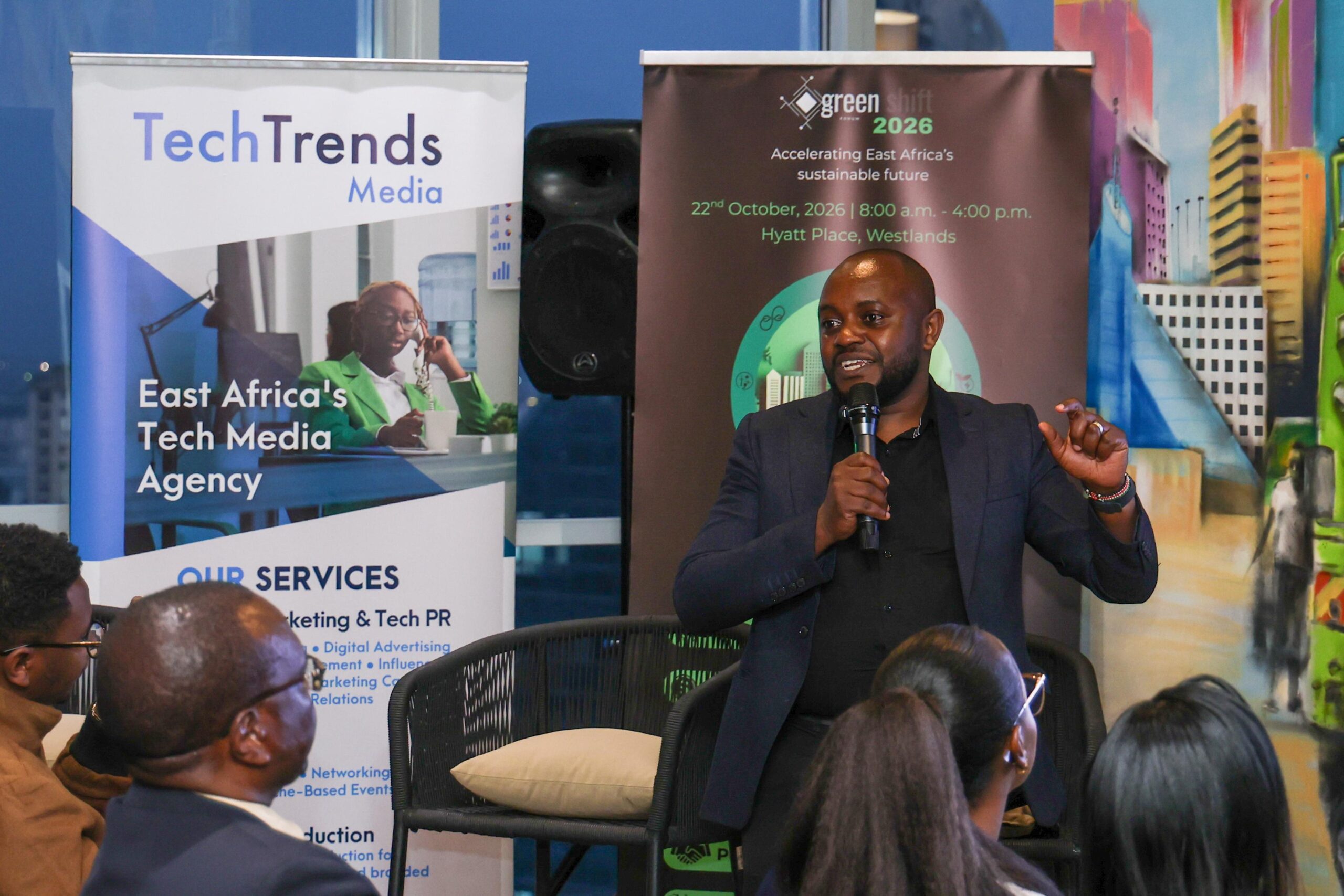
The GreenShift Forum 2026 is taking shape as a meeting point for businesses, policymakers, investors, sustainability practitioners and innovators working across some of the biggest questions facing East Africa’s green economy.
A preview event in Nairobi brought together participants from technology, sustainability, finance and other sectors ahead of the main forum on October 22, offering an early look at the issues likely to define the conversation.
Hosted by TechTrends Media, the forum builds on the organisation’s work covering technology, climate, sustainability and ESG through its editorial platforms, including EcoNews, as well as the GreenShift magazine and podcast. Nixon Kanali, the organising lead at TechTrends Media, outlined the broader ambition behind bringing these conversations together, connecting business interests with policy, investment, technology and practical sustainability initiatives.
That breadth matters because the green economy cuts across conventional industry boundaries. A conversation about renewable energy quickly runs into questions around financing, technology, transport, regulation and consumer behaviour, while ESG considerations have implications for how companies raise capital, manage risk and demonstrate their impact.


The conversation goes beyond sustainability
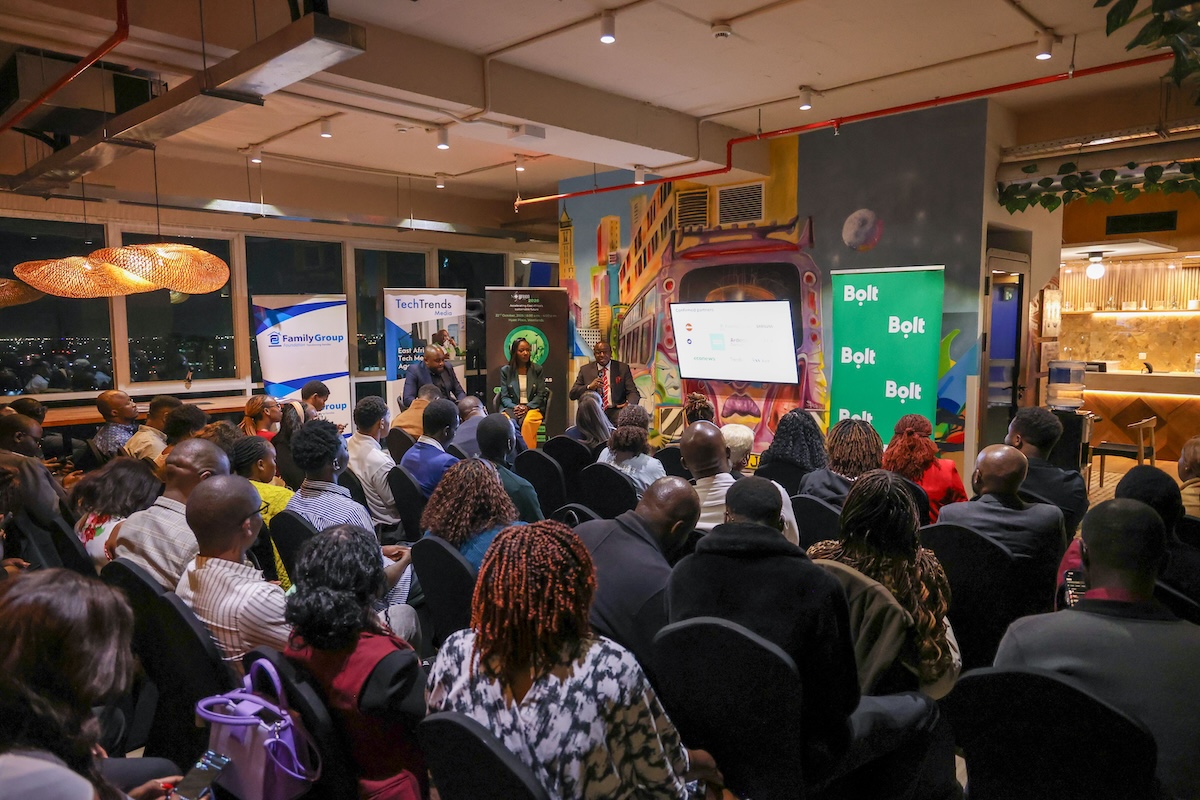
The preview brought together people working directly in sustainability alongside technology professionals, businesses and participants from other fields. The audience included people from areas such as marketing, academia and startups, giving the gathering a wider professional mix than a conventional sustainability-focused event.

Attendance of the participants came with specific interests or needs rather than simply passing through. That mix provides an early indication that the green economy is attracting attention from people whose day-to-day work may sit outside the conventional climate and sustainability space.
This matters because the transition will require participation from across the economy. Researchers can contribute evidence and technical expertise, marketers influence how sustainability initiatives reach consumers and businesses, startups bring new products and business models, while financial institutions determine which ideas can secure capital and scale.
The range of participants also fits the wider premise behind the forum. Environmental issues increasingly intersect with commercial decisions, technology choices, investment priorities and public policy, making cross-sector conversations useful when the objective is to move beyond broad commitments and examine what implementation actually requires.
Green finance, ESG and renewable energy take centre stage
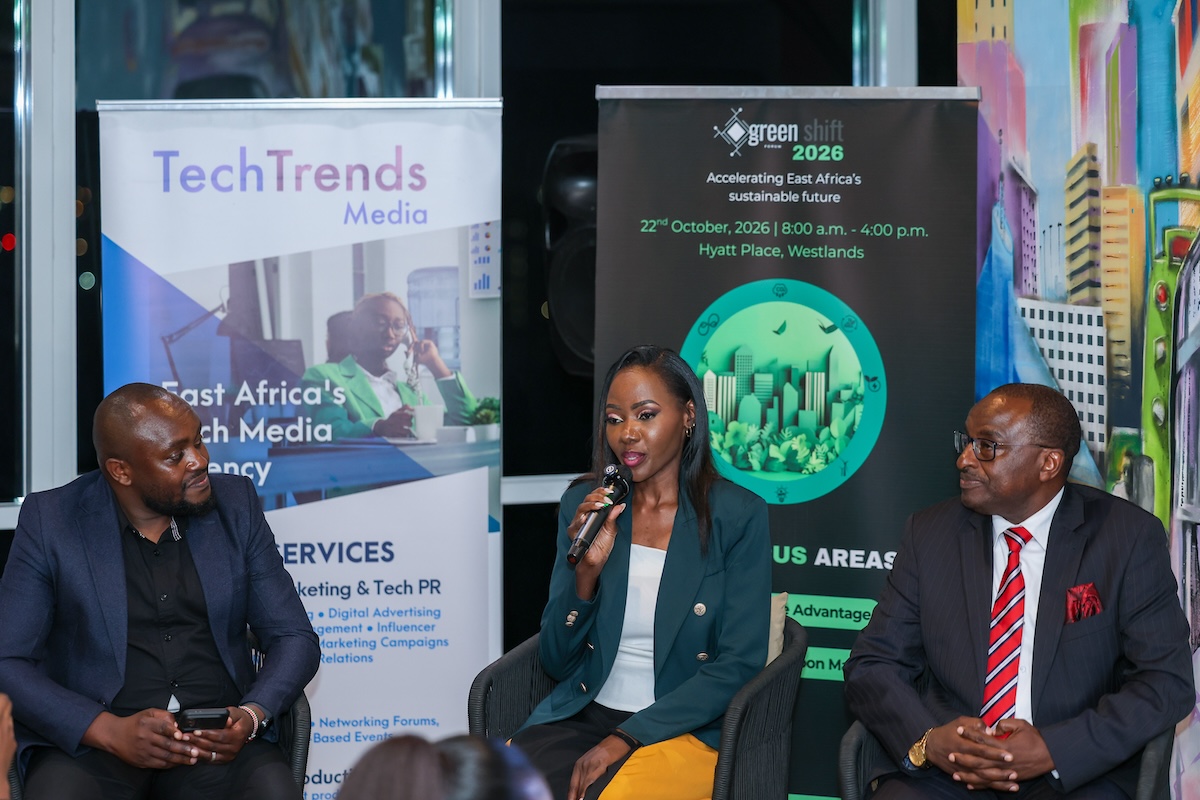
Green finance is one of the central areas of discussion for the October forum, particularly as businesses consider what it takes to become ready for sustainability-linked capital. Stephanie Oji, Co-founder and Technical Lead at Ardena Consulting, discussed the connection between sustainability performance, investor confidence and access to capital during the preview.
The conversation also touched on the complexity of African carbon markets, where the origin and method used to generate credits can affect their quality and value. Forest-based projects remain an important part of the continent’s carbon market landscape, while technology-based approaches introduce different considerations around measurement, verification and regulation.
For companies approaching carbon markets and green finance, those distinctions matter. Sustainability claims need to be supported by credible information about environmental and social impact, while businesses seeking financing must be able to demonstrate what their projects actually achieve.
Renewable energy sits alongside those financial questions. The transition requires capital, infrastructure and policy support, but it also creates opportunities for businesses developing technologies and services around cleaner power, energy efficiency and resource management.
E-mobility and circular economy bring practical questions

Transport provides another practical example of how the green economy intersects with commercial decisions. Marion Wambua Karanja, Senior PR Manager at Bolt Kenya, discussed the company’s work around electric mobility and partnerships that help riders access electric vehicles.
The economics are particularly relevant in Kenya’s two-wheeler market. During the preview, Marion highlighted the difference in acquisition costs between electric and petrol-powered motorcycles, making the case that financing arrangements, vehicle suppliers and operational partnerships can influence how accessible the transition becomes for riders.
Samsung Electronics East Africa offered another perspective from the consumer technology sector. Nyawira Muraguri, Corporate Marketing Manager and Communications Lead, discussed efforts to reduce packaging materials through smaller boxes and recycled materials, alongside SmartThings features that allow users to monitor appliance energy consumption.
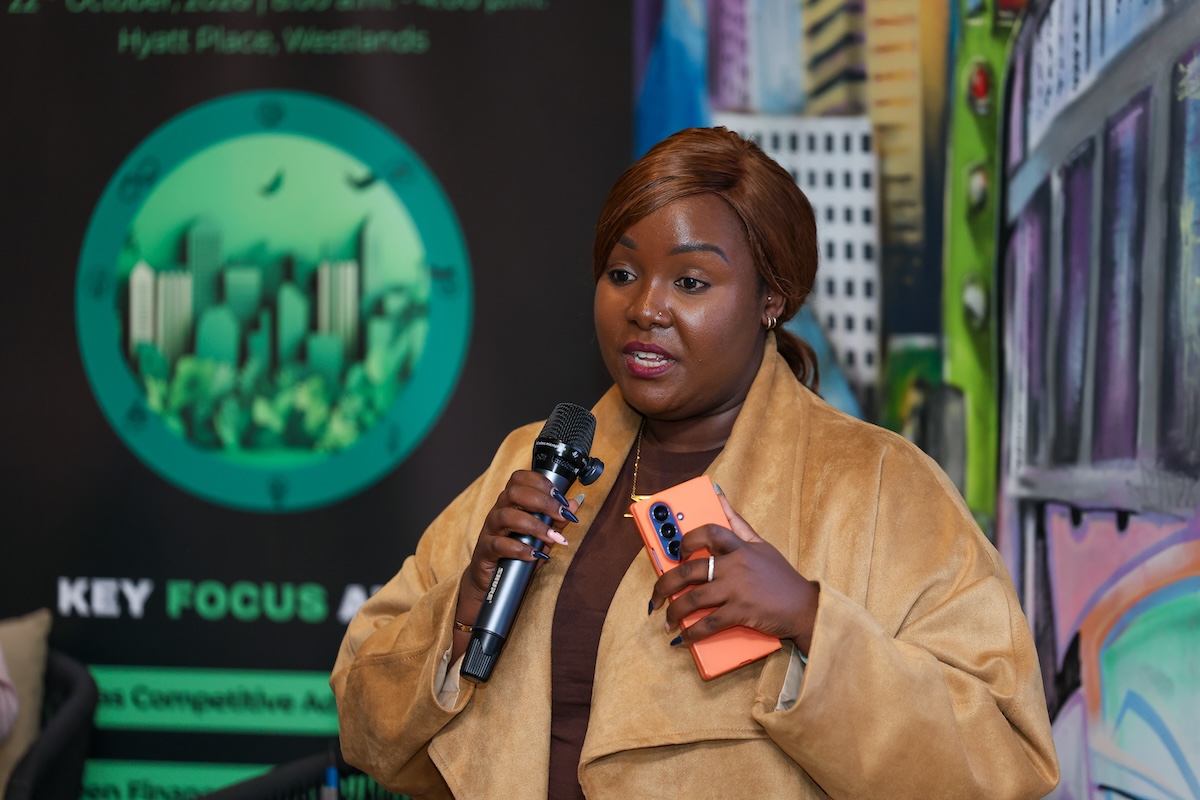
For Kenyan users, SmartThings can connect energy efficiency with household spending by translating electricity savings into Kenyan shillings using local tariff information. That places an environmental consideration alongside a direct financial benefit for consumers.
The circular economy brings a similar focus on how products, materials and resources are designed and managed throughout their useful life. These examples put sustainability inside decisions about product design, transport, financing and everyday consumption rather than treating it as a separate corporate concern.
A broader audience is already taking notice
One of the more notable aspects of the preview was the range of people it attracted. The room included sustainability practitioners and technology professionals, but also participants from areas such as marketing, academia and startups who came with specific interests in the wider green economy.
The significant proportion of attendees arrived with defined interests, points to an audience that is looking for more than a general introduction to sustainability. There is interest in how the subject connects with business, technology, research, finance and other professional fields.
That diversity could become one of the more useful features of the October gathering. East Africa’s green economy will require participation well beyond specialist environmental organisations, because the practical work involves research, capital, technology, policy, communications and business execution.
The preview provided a glimpse of that wider ecosystem in one room, bringing together people approaching the subject from different professional perspectives.
The social and environmental dimensions of green growth
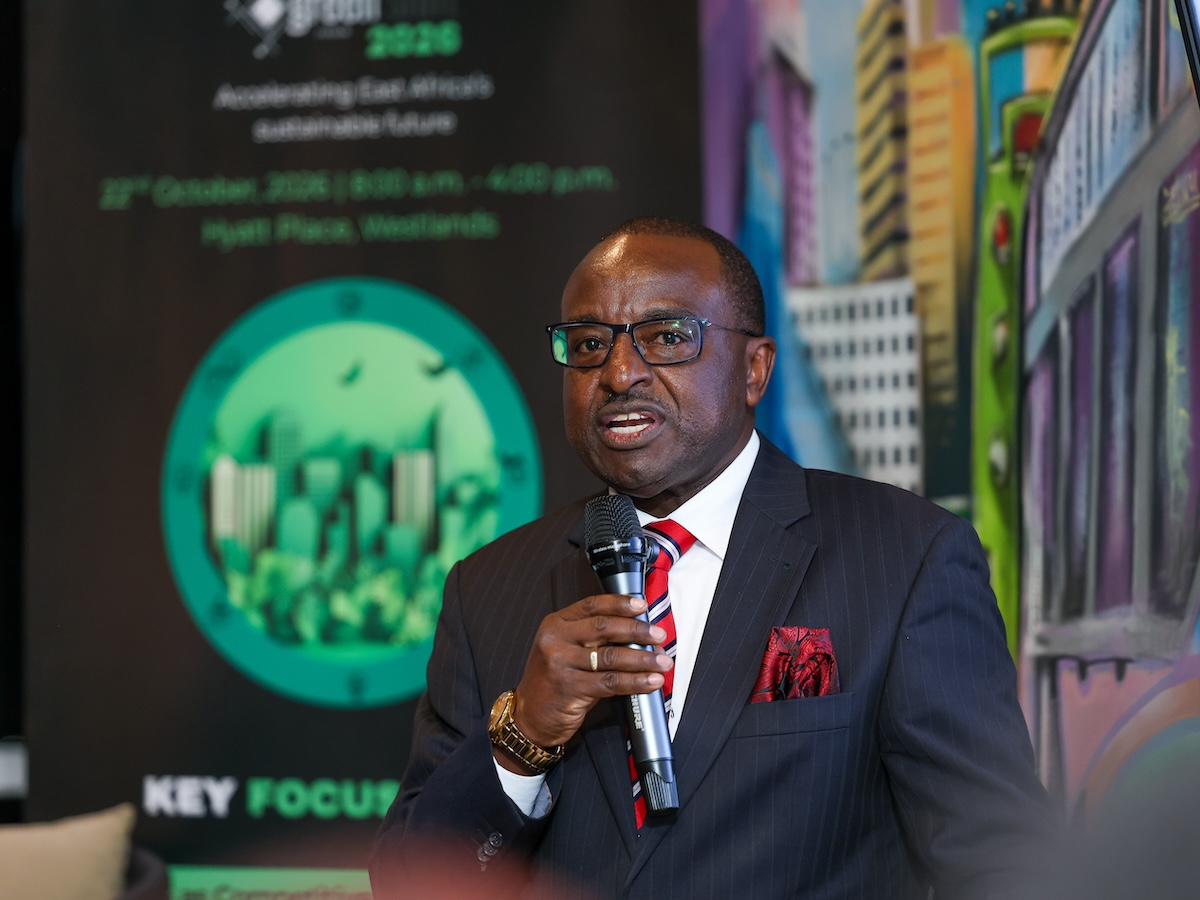
The Family Group Foundation added another dimension to the discussion through the work outlined by John Waimiri, its Executive Director. The foundation’s programmes include scholarships, technical skills development and ecosystem restoration, illustrating how social investment and environmental responsibility can form part of the same institutional agenda.
Skills development is particularly relevant to the green economy because new industries require people with practical capabilities to participate in them. Programmes that connect training with employment and entrepreneurship can therefore complement investments in infrastructure, technology and environmental projects.
Ecosystem restoration provides another side of the equation. While much of the green economy discussion centres on emissions, finance and technology, restoring degraded ecosystems and supporting communities remains an important component of environmental action.
Together, these perspectives widen the conversation beyond energy and carbon to include livelihoods, skills, investment and the communities affected by environmental and economic decisions.
Bringing the conversations together on October 22
The main GreenShift Forum takes place on October 22, 2026, bringing the themes raised during the preview into a larger programme. ESG, green finance, renewable energy, e-mobility, circular economy and public-private partnerships are among the core areas around which the forum is being built.
The preview has already demonstrated that there is an audience for a conversation that brings these subjects together. Its mix of sustainability professionals, technology players, businesses, researchers and other participants also points to the value of treating the green economy as a cross-sector issue rather than the responsibility of one industry.
For East Africa, that broader conversation has practical consequences. Financing determines which projects move forward, policy affects how quickly infrastructure can develop, technology can make cleaner alternatives more accessible, and businesses ultimately have to turn sustainability commitments into operations that work.
The October forum will bring those perspectives together in one setting, giving businesses, policymakers, investors, innovators and other stakeholders an opportunity to examine where the region’s green economy is heading and what it will take to move ideas from discussion into implementation.
Real ESG impact doesn’t happen in panels alone, it happens in the rooms where financiers, operators, and policymakers actually align. Our GreenShift Forum 2026 cuts the noise, bringing together the people rewiring Africa’s sustainability and energy frameworks for one focused day in Nairobi. Secure your seat.
Go to TECHTRENDSKE.co.ke for more tech and business news from the African continent and across the world.
Follow us on WhatsApp, Telegram, Twitter, and Facebook, or subscribe to our weekly newsletter to ensure you don’t miss out on any future updates. Send tips to editorial@techtrendsmedia.co.ke


