
Financing and battery-swapping networks are central to the commercial case for electric motorcycles in Kenya

Electric motorcycles can change the cost structure of commercial riding, but lower running costs do not automatically translate into better financial outcomes for every rider.
The purchase arrangement, repayment schedule, battery access, maintenance and vehicle availability all influence how much a rider can earn after meeting operating expenses.
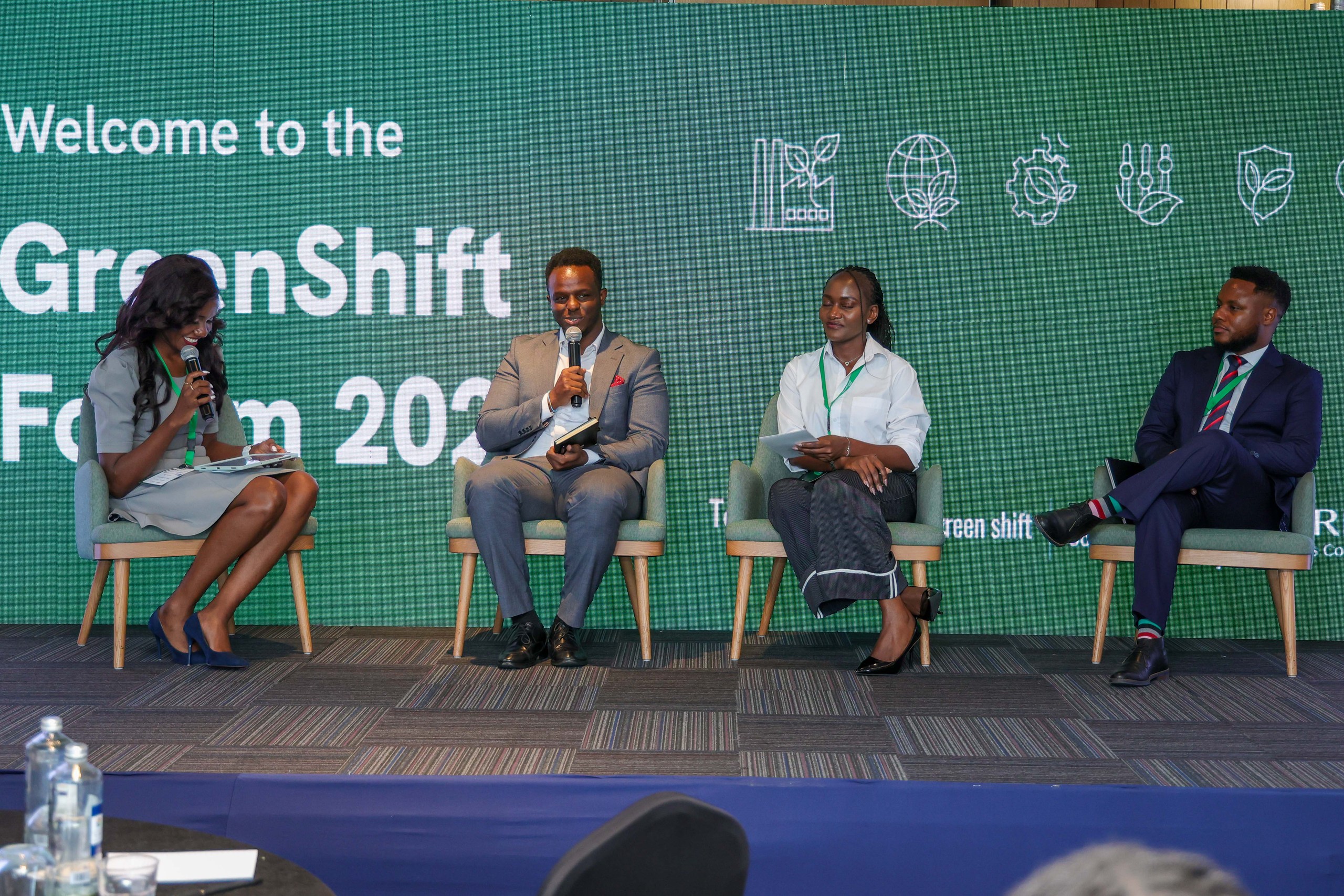
These questions featured in the e-mobility discussion at GreenShift Forum 2026. The session notes identify Wright Sowa of Bolt Kenya, Billy Mwangi of E-Moti and Achieng’ Anam of Moja EV among the participants, with Jemima Elizabeth Muthoni moderating. The discussion covered financing, electric two-wheeler economics and the infrastructure needed to keep vehicles working.
Figures shared in the Bolt presentation included more than 4,000 co-financed electric motorcycles since 2024, with a reported value exceeding KSh200 million, and more than 500 battery-swapping stations. The presentation also cited an estimated 70% share of the electric ride-hailing market.


The deposit is only the beginning
The figures shared during the discussion compared a KSh10,000 down payment for an electric motorcycle with KSh25,000 for a petrol-powered alternative. A lower initial payment can make a vehicle accessible to riders who would struggle to raise a larger deposit, depending on the financing terms.
But riders need to compare the full contract. Repayment amounts, duration, ownership conditions, insurance, battery fees and maintenance responsibilities can change the total cost. A smaller deposit does not necessarily mean the rider pays less over the life of the vehicle.
Income also matters. A rider needs to keep the motorcycle available for work and earn enough to meet repayments alongside everyday expenses. Downtime caused by repairs or difficulty accessing a charged battery can affect earnings even when the vehicle’s running costs appear favourable.
Maintenance and battery swapping shape operating costs
The session compared monthly maintenance costs of approximately KSh1,500 for an electric motorcycle with KSh4,000 for a petrol-powered bike. Those figures were shared during the presentation and should not be interpreted as guaranteed costs for every rider. Actual expenditure depends on the vehicle, usage, service arrangements and what each estimate includes.
Battery-swapping infrastructure is another part of the commercial model. A network can reduce the time a rider spends waiting for charging, but only if stations are accessible along the routes the rider works and replacement batteries are available when needed.
The number of stations alone does not establish service quality or geographic coverage. Riders also need to understand the cost of each swap or subscription, battery-related terms and how those payments compare with petrol expenditure over the same distance.
The useful comparison is net earnings
The economic case should be measured using the rider’s actual working pattern. Relevant variables include distance travelled, daily trips, energy or battery costs, financing payments, maintenance, downtime and the ownership terms of the vehicle.
This is why headline savings figures need context. A comparison that excludes financing or battery costs may overstate the amount a rider keeps. A rider who covers substantial daily distances may benefit more from lower operating costs than someone with lighter vehicle use, but the outcome depends on the full cost structure.
The GreenShift discussion connected vehicle financing with the infrastructure that supports day-to-day operations. For operators and financiers, the task is to make the entire package workable, not simply to reduce the entry payment.
For Kenya’s electric motorcycle market, adoption will depend on whether riders can access suitable vehicles, keep them on the road and retain enough of their earnings after all costs are counted. Financing, maintenance and battery access are central to that calculation.
Go to TECHTRENDSKE.co.ke for more tech and business news from the African continent and across the world.
Follow us on WhatsApp, Telegram, Twitter, and Facebook, or subscribe to our weekly newsletter to ensure you don’t miss out on any future updates. Send tips to editorial@techtrendsmedia.co.ke


