
EAC turns to universities to build East Africa's AI skills and research capacity

The East African Community (EAC) has adopted a regional artificial intelligence strategy that places universities at the centre of its plans to develop AI skills, research and innovation across member states. What does the EAC’s regional AI strategy mean for universities? The immediate change is a push to introduce foundational AI education across undergraduate disciplines, supported by a regional network of universities and new standards for Kiswahili AI systems.
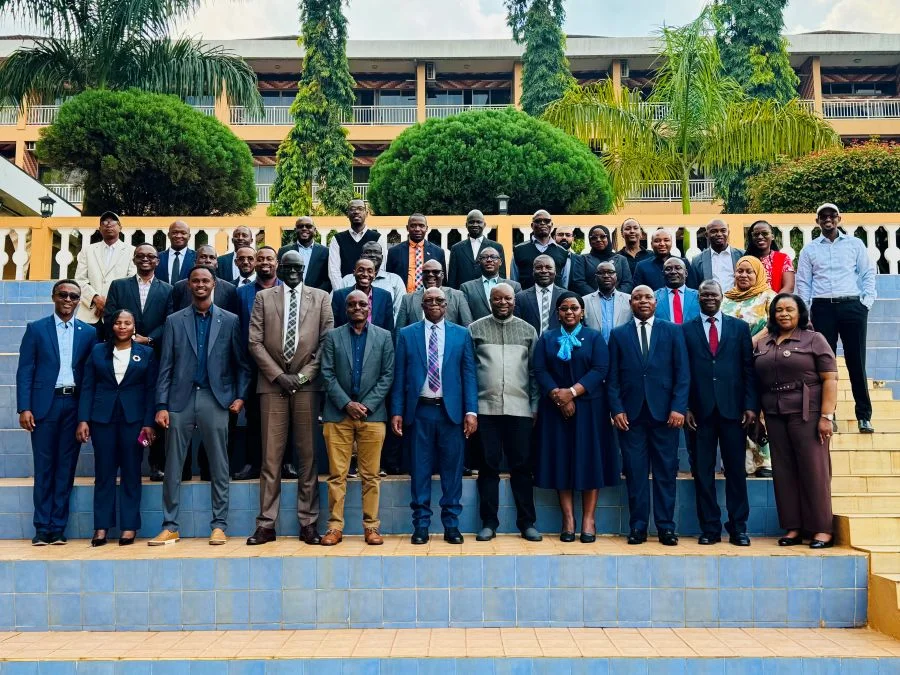
Ministers responsible for education, science and technology, culture and sports adopted the EAC Artificial Intelligence Strategy alongside the bloc’s Digital Transformation Strategy and Biotechnology Strategy during the 21st Sectoral Council meeting in Kampala, Uganda, which ran from 27 to 31 October 2026.
The EAC Secretariat developed the three strategies in collaboration with the East African Science and Technology Commission (EASTECO). The Community said they provide a common framework for technology development and application across education, agriculture, healthcare, industry and public administration, while addressing gaps in infrastructure, skills, policy and governance.
EAC approves AI module across university disciplines
The ministers approved an AI Foundational Module for Higher Education Institutions, intended to give undergraduate students essential knowledge and practical competencies regardless of their area of study.



Partner states were directed to consider adopting the module across university degree programmes. The Inter-University Council for East Africa (IUCEA) was tasked with developing a regional implementation framework to guide its rollout.
The decision follows work undertaken earlier in the year to establish a common approach to AI literacy in higher education. In October, the EAC, IUCEA and EASTECO held a regional workshop in Dar es Salaam to validate the draft module, bringing together universities, regulators, AI experts and development partners.
IUCEA said institutions within the Regional AI Network of Universities that demonstrate the necessary readiness would be considered for piloting the curriculum. The pilot process is expected to provide evidence on delivery methods, institutional requirements, lecturer preparedness and student engagement before wider regional adoption.
The ministerial decision also approved the establishment and operationalisation of the Regional Artificial Intelligence Network of Universities. The network is intended to strengthen collaboration in AI education, research and innovation, giving universities a formal regional structure through which to work together.
The Sectoral Council also endorsed three regional instruments for teacher education, covering curriculum and competency, institutional policy and codes of conduct. These measures extend the initiative beyond student instruction to the institutional and teaching arrangements needed to support AI adoption in higher education.
Kiswahili AI benchmarks add a regional language dimension
The EAC’s plans also include the development of AI certification benchmarks for Kiswahili, recognising the importance of the language in the region’s digital economy.
The ministers welcomed work by the East African Kiswahili Commission (EAKC) to strengthen Kiswahili’s use as an official language of the Community. The Sectoral Council also adopted the EAC Kiswahili Language Policy and recommended that it be submitted to the Council of Ministers for consideration and approval.
The language initiative comes as developers and researchers work to improve the representation of African languages in AI systems. TechTrendsKE’s earlier reporting on Google’s WAXAL speech dataset noted that the availability of reliable language data remains a constraint for African-language AI development, particularly where spoken languages have limited digital and written resources.
The EAC’s proposed certification benchmarks could provide a regional reference point for assessing AI systems that work in Kiswahili. However, the ministers agreed on their development; the benchmarks are not yet an operational certification system.
Regional AI ambitions face a skills and implementation challenge
The new framework arrives as evidence from across the region points to gaps in youth preparedness for AI-related work.
The Ayre Index, covered by TechTrendsKE on November 5, ranked Kenya 22nd out of 56 Commonwealth countries, with a score of 48.7 out of 100. Uganda placed 23rd with 47.0, Tanzania 25th with 45.5 and Rwanda 47th with 38.1. All four EAC countries were below the index’s benchmark of 53, which was reached or exceeded by only 15 countries in the assessment.
The findings give the EAC’s university initiative a practical skills context. A common module could help establish a baseline of AI knowledge among graduates across the region, while the university network could support research and the development of applications suited to local needs.
But the EAC’s wider AI ambitions will depend on more than curriculum approval. The Africa AI Governance Index 2026, previously covered by TechTrendsKE, found that African countries were advancing AI strategies faster than the budgets, staffing and oversight mechanisms required to implement them. Its findings point to a recurring gap between formal policy commitments and institutional capacity.
The EAC’s own Deputy Secretary General, Andrea Ariik Malueth, urged ministers to ensure that their directives identify responsible institutions, achievable timelines and the resources required. She also emphasised the importance of stronger foundational learning and teacher development.
Malueth’s remarks reflect the work that remains after adoption. IUCEA must develop the implementation framework, universities will need to assess their readiness, and partner states will have to consider how the module fits into their degree programmes. The Community also acknowledged financial and resource constraints affecting implementation, calling for sustained national financing, private-sector partnerships and institutional capacity.
EAC moves ahead as COMESA develops its own AI framework
The EAC’s adoption also places it at a different stage of regional AI policy development from the Common Market for Eastern and Southern Africa (COMESA).
In August, TechTrendsKE reported that COMESA had begun consultations in Kigali, Rwanda, on a Regional AI Strategy and a Regional Digital Inclusion Strategy. The process brought together government officials, regulators, technology companies, academics, civil society organisations and development partners, with support from the World Bank’s IDEA Programme.
COMESA subsequently held a regional validation meeting in Eswatini in September to review a draft study on AI and emerging technologies. The organisation said the study would inform a Regional AI Strategy, model policy guidelines and a model regulatory framework.
The two regional processes are pursuing similar concerns around skills, infrastructure, responsible AI and coordination between member states, although they have different institutional timelines and policy instruments. The EAC has now formally adopted its AI strategy and approved specific higher-education measures, while COMESA’s September process was still validating the evidence intended to guide its framework.
For the EAC, the next stage will be determined by how quickly its member states and regional institutions translate the ministerial decisions into university programmes, research collaboration and practical language standards.
Go to TECHTRENDSKE.co.ke for more tech and business news from the African continent and across the world.
Follow us on WhatsApp, Telegram, Twitter, and Facebook, or subscribe to our weekly newsletter to ensure you don’t miss out on any future updates. Send tips to info@techtrendsmedia.co.ke

