
Kenya Airways says grounded Dreamliners are returning as it targets full fleet capacity by the end of 2026

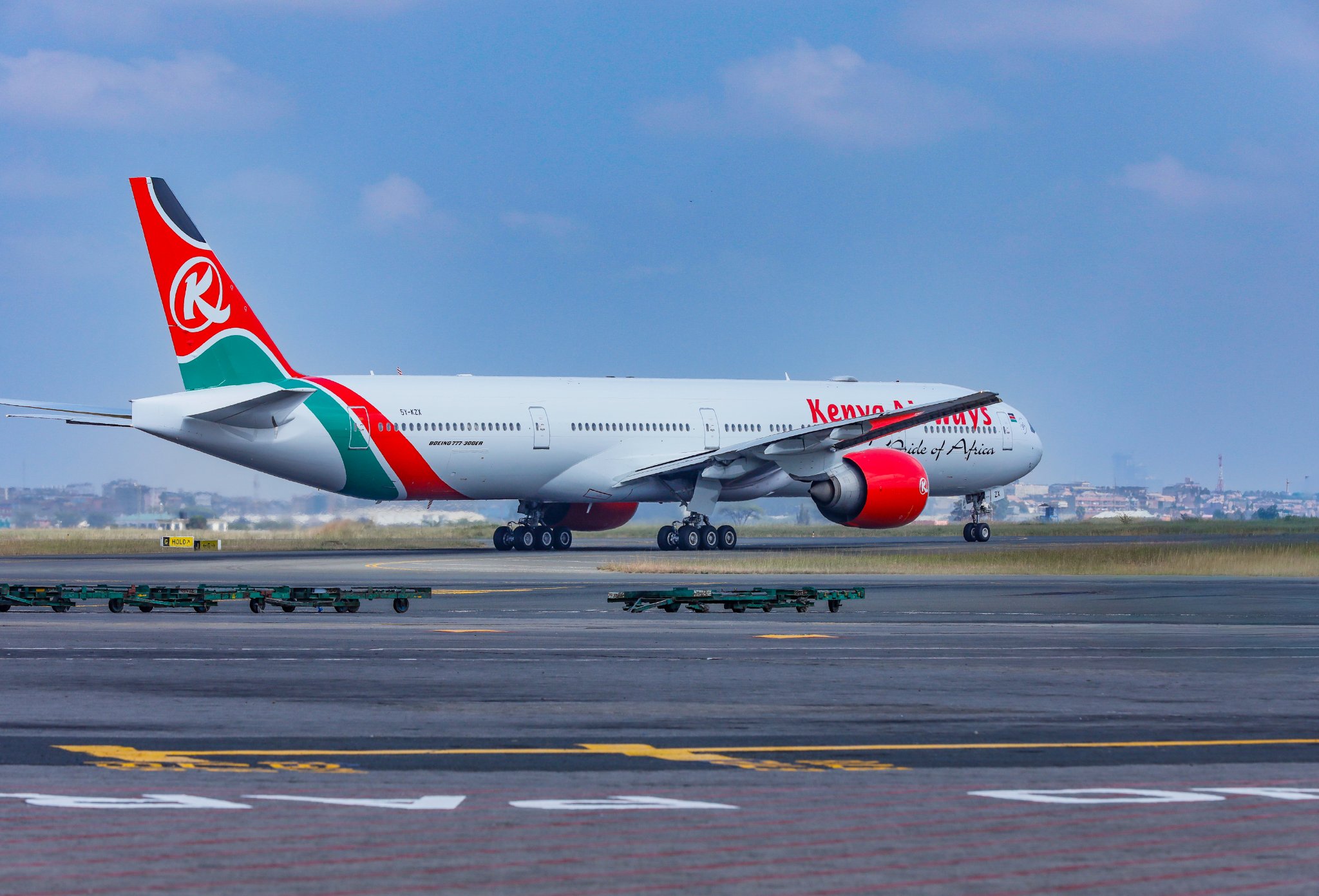
Kenya Airways plans to restore its full aircraft capacity by the end of 2026 as the national carrier addresses fleet constraints that have limited its ability to meet strong passenger demand.
Speaking during a media roundtable on Wednesday, Kenya Airways Acting Group Managing Director and CEO Dr. George Kamal said the airline’s immediate priority is restoring aircraft availability, alongside tighter cost management and efforts to strengthen its balance sheet. He said the airline is dealing with a capacity challenge rather than a lack of demand.
The airline’s capacity has been affected by global shortages of aircraft engines and spare parts. Three of its Boeing 787 Dreamliners were grounded for much of the first half of the year, limiting the number of seats available to passengers at a time when demand remained resilient.
Kamal said the grounded Boeing 787s are progressively returning to service, with Kenya Airways expecting to regain full capacity by the end of the year. The airline is also targeting a fleet of more than 60 aircraft over the next three years, with an average fleet age of below 10 years.
The fleet constraints come as airlines face a difficult global operating environment. According to the company, elevated fuel prices, geopolitical uncertainty and supply chain disruptions have increased pressure on airline operating costs.
Africa is particularly exposed because it relies on imported jet fuel, while the global aircraft order backlog is expected to take an estimated 11.1 years to clear.

Kenya Airways said it has also experienced significant pressure on fuel costs, while longer flight routes due to disruptions in the Middle East have added to operating expenses. Despite these pressures, the airline recorded cabin factors of more than 90% on its US and European routes in March 2026, indicating strong demand where capacity was available.
The carrier is pursuing three main measures in its turnaround strategy: restoring fleet capacity, enforcing structural cost discipline and securing additional capital and strategic backing.
On the financial side, the Government of Kenya has assumed KSh63.1 billion of Kenya Airways’ debt, with the intention of converting it into equity once a strategic investor is secured. The airline is also progressing a US$500 million recapitalization, while the search for a strategic investor remains ongoing.
Furthermore, Kenya Airways is seeking to diversify its revenue beyond passenger operations. Cargo currently contributes about 11% of revenue, with the airline targeting approximately 20% over the next two to three years.
Its Maintenance, Repair and Overhaul (MRO) business is also expanding its work with other African carriers, while codeshare partnerships are extending the airline’s reach without requiring direct capital investment in every destination.
The airline added that the longer-term objective is to create a more resilient fleet, disciplined cost structure, stronger cargo and MRO businesses, deeper partnerships and a network that reinforces Nairobi’s role as a gateway between Africa and global markets.
Download the FREE Kaspersky Next Enterprise Security Guide here to explore the complete framework for simplifying security operations and building cyber resilience.
Go to TECHTRENDSKE.co.ke for more tech and business news from the African continent and across the world.
Follow us on WhatsApp, Telegram, Twitter, and Facebook, or subscribe to our weekly newsletter to ensure you don’t miss out on any future updates. Send tips to editorial@techtrendsmedia.co.ke


