

As Treasury Funding Ends, Hustler Fund Turns to Bonga Points for Loan Recovery

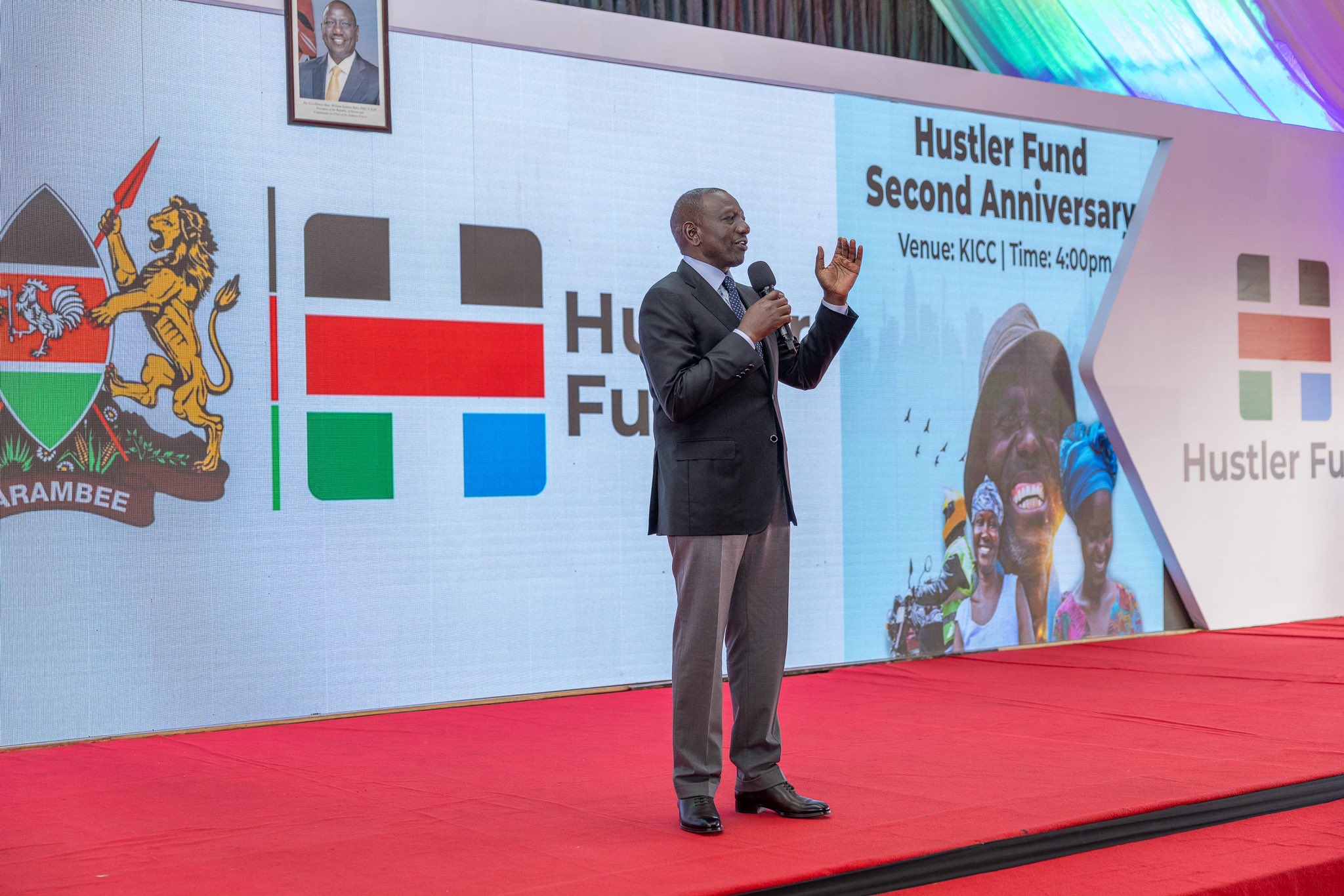
Hustler Fund borrowers can now use Safaricom Bonga Points to repay State-backed loans, giving the government another way to recover billions of shillings in outstanding debt as the fund relies more on repayments to finance future lending.
The Financial Inclusion Fund (FIF), popularly known as the Hustler Fund, has started notifying borrowers through text messages that they can clear outstanding loans using Safaricom’s loyalty points. The new repayment option comes as the fund works to improve collections after the Treasury stopped allocating fresh development funding in the current financial year, making loan recoveries central to the programme’s continued operations.
Financial Inclusion Fund Chief Executive Officer Henry Tanui said the initiative had already recovered Sh3 million within its first week, describing it as part of a broader effort to make loan repayments easier.
“The idea is that if there are other convenient options for borrowers to repay, then we should make them available,” Mr Tanui said.


A spot check shows that five Bonga Points currently translate to Sh1 when used for loan repayment, meaning a borrower would need about 2,500 points to settle a Sh500 Hustler Fund loan. Safaricom, however, notes that the value of Bonga Points is not fixed and varies depending on historical redemption patterns.
The arrangement gives borrowers another way to reduce outstanding balances while extending the use of Safaricom’s loyalty programme beyond airtime, data bundles and shopping rewards. According to the telecommunications company’s latest annual report, customers collectively held Bonga Points worth Sh3.6 billion as of March 2026, representing a sizeable pool of rewards that can now contribute to loan repayments.
The Bonga Points option forms part of a wider government effort to improve loan recoveries as the Hustler Fund adapts to operating without fresh Treasury capital.
Budget documents for the 2026/27 financial year confirmed that the fund would not receive new development funding, with repayments from existing borrowers expected to finance future lending. That places greater importance on collecting outstanding loans and expanding repayment channels that reduce barriers for borrowers.
Government data shows the Hustler Fund had disbursed Sh83 billion by March this year, with borrowers repaying approximately Sh71 billion. About Sh12.5 billion remained outstanding, translating to a default rate of around 15 percent.
Against that backdrop, officials are looking for practical ways to encourage repayments, whether through conventional payment methods or loyalty rewards that many Safaricom subscribers have accumulated over time.
The programme’s funding model has also changed markedly since its launch in November 2022. Initial government support of Sh20 billion was followed by progressively smaller allocations before falling to Sh300 million in the financial year ended June 2026. No fresh allocation was made in the current budget, leaving recycled repayments to support future lending.
Even as the government steps up recovery efforts, the fund continues to face scrutiny over its administration.
The Auditor-General previously reported that 104,631 loans worth Sh116.5 million were issued to borrowers whose national identity card numbers were missing from the customer database used for verification. The findings raised concerns about customer validation and credit assessment within the programme.
Launched by the Kenya Kwanza administration, the Hustler Fund was created to expand access to affordable credit for Kenyans excluded from formal banking. Borrowers who maintain good repayment records qualify for higher loan limits, making timely repayment a key feature of the scheme.
Allowing borrowers to redeem Bonga Points for loan repayments does not change the fund’s lending terms, but it adds another repayment channel as the government seeks to improve collections. Whether the option delivers a meaningful reduction in defaults will become clearer as more borrowers begin using it and repayments continue to finance new loans.
Download the free Kaspersky SMB Cybersecurity Guide here to learn how businesses can move beyond traditional antivirus and build a more resilient approach to cybersecurity.