

Netflix's The Polygamist Shows the Global Appeal of African Stories

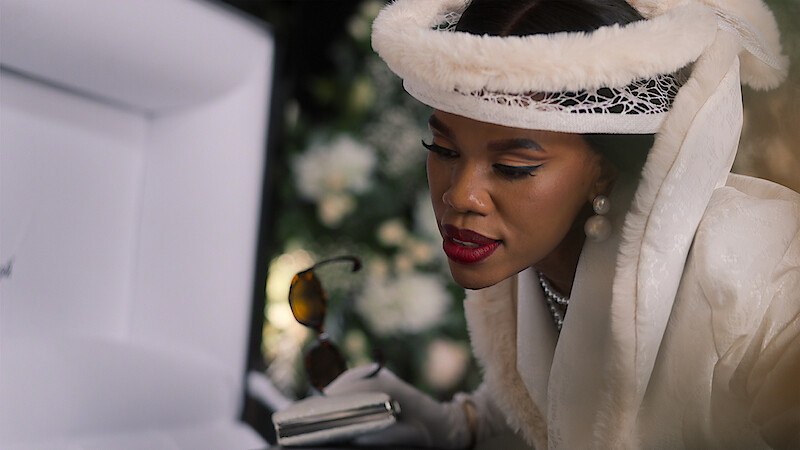
Netflix’s The Polygamist has become one of the platform’s biggest international television stories of 2026, turning a South African drama into a global streaming success.
The South African drama recorded more than 159 million hours viewed within weeks of its June debut, reached the top of Netflix rankings in multiple countries, and entered the global Top 10 across dozens of markets. Those numbers tell only part of the story. The series has earned attention because it pairs an emotionally charged family drama with themes that audiences across continents recognize, even when the cultural setting is unfamiliar.
Adapted from Zimbabwean author Sue Nyathi’s 2012 novel, The Polygamist follows Joyce Gomora, whose seemingly successful marriage begins to unravel after she discovers that her husband, businessman Jonasi Gomora, has built a secret life involving other women and hidden families.
Released globally on Netflix on 12 June 2026, all 22 episodes became available at once. Releasing all 22 episodes at once made it easy for viewers to follow the story at their own pace, while discussion spread across social media as new audiences discovered the series.


Netflix later reported that the show had accumulated more than 159 million viewing hours and around 16.5 million views, placing it among the platform’s most-watched series during the first half of 2026. It also reached number one in 16 countries and appeared in the Top 10 across 63 countries, including the United States.
Those achievements place The Polygamist among the strongest-performing African series ever released by the streaming platform.
At first glance, The Polygamist appears to be a relationship drama built around betrayal and revenge. Underneath that narrative is a broader examination of family, trust, power and accountability.
The series makes an important distinction between traditional, openly acknowledged polygamy and the deception at the centre of Jonasi Gomora’s double life. Rather than presenting cultural polygamy as the problem, the story focuses on secrecy, manipulation and the damage caused when families are built on dishonesty.
That distinction has shaped much of the public conversation around the series.
Viewers have debated whether Jonasi represents toxic masculinity, unchecked privilege or simply an individual whose choices destroy the people closest to him. Others have focused on Joyce and the other women, discussing resilience, forgiveness and personal agency.
Sue Nyathi has said the idea for The Polygamist came from observing married men who publicly presented themselves as monogamous while secretly supporting parallel families.
Although her maternal grandfather had five wives through a traditional polygamous marriage, she found the hidden relationships more compelling because they exposed lives built on deception.
The observations stayed with her during her years in Harare before becoming the novel published in 2012.
She has also explained that she wants her books to continue generating discussion long after readers reach the final page. Across her novels, she explores themes including family dynamics, women’s empowerment, migration, religion and gender-based violence.
The Netflix adaptation preserves those themes while adapting the story for television.
One reason the series travelled so well is that its emotional conflicts require little cultural explanation.
Secrets inside families, broken trust, financial control, jealousy and complicated relationships are experiences found in many societies.
The South African setting gives the story its identity, but the emotional stakes are universal.
The series also benefits from performances that anchor the drama. Gugu Gumede’s portrayal of Joyce captures the emotional weight carried by someone confronting betrayal, while Sdumo Mtshali’s Jonasi Gomora has become one of the year’s most talked-about television characters.
Online discussions, reaction videos and memes helped introduce the series to viewers who may not have encountered a South African drama before.
The show’s popularity has extended beyond reviews and streaming charts.
Audiences have used it to discuss marriage, hidden relationships, family breakdown, gender roles and the long-term effects of deception on children and partners.
Health professionals and commentators have also pointed to storylines involving HIV, sexually transmitted infections and intimate partner violence as examples of issues that continue to affect many communities.
Not everyone has embraced the series in the same way.
Some critics argue that its melodramatic style overshadows more nuanced conversations about traditional polygamy, while others believe it succeeds because it refuses to soften difficult realities.
That divide has kept public debate active long after viewers finished the final episode.
The success of The Polygamist adds to a growing list of African productions finding audiences well beyond their home markets.
Rather than reshaping the story for international viewers, the series remains rooted in Southern African settings, languages and cultural experiences. That authenticity has become one of its strengths.
For Netflix, it demonstrates that audiences are willing to embrace stories from different regions when the characters and conflicts feel genuine.
For African writers and filmmakers, it offers another example that local stories can compete on the world’s biggest streaming platform without abandoning the experiences that inspired them.
In the end, The Polygamist became more than a hit television series. It sparked conversations about relationships, family and accountability while showing that a story grounded in Southern Africa could resonate with millions of viewers around the world.
Download the free Kaspersky SMB Cybersecurity Guide here to learn how businesses can move beyond traditional antivirus and build a more resilient approach to cybersecurity.


