

Why Netflix's AI Strategy Starts With Human Creativity

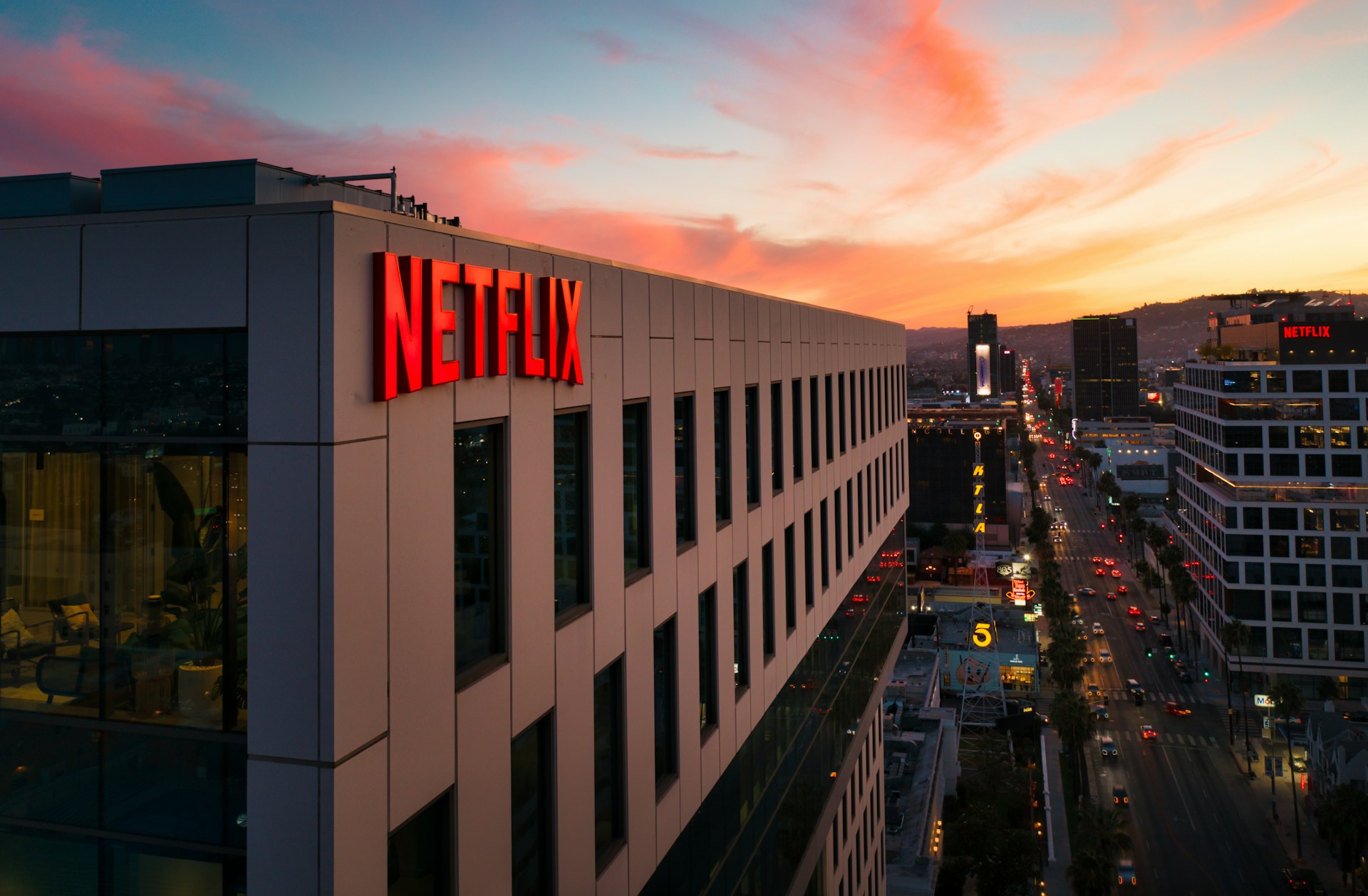
Netflix’s AI strategy is taking shape around a message that stands apart from much of Silicon Valley’s conversation about automation. Rather than presenting artificial intelligence as a replacement for creative professionals, the streaming company says its investment in AI is intended to give filmmakers, product teams and designers better tools while keeping people responsible for the ideas, decisions and craft that define great entertainment.
That philosophy has emerged consistently through comments by Netflix Chief Product and Technology Officer Elizabeth Stone and was reinforced by the company’s acquisition of filmmaking technology startup InterPositive in March.
Artificial intelligence has become one of the defining themes across the technology industry, with many companies racing to automate software development, content production and customer experiences. Netflix is taking a more measured approach.
Speaking recently, Stone described AI as a capability that expands what teams can accomplish rather than eliminating the need for engineers, designers or product managers.


Instead of replacing specialist roles, she argued that AI enables professionals to contribute beyond their traditional boundaries. Product managers can prototype software, designers can build working concepts more quickly, and engineers can spend more time solving product problems instead of repetitive implementation work.
Execution becomes faster, but responsibility for making the right decisions remains with people.
That distinction appears throughout Netflix’s broader approach to AI.
The clearest expression of that philosophy came when Netflix announced its acquisition of InterPositive, the AI filmmaking company founded by Ben Affleck.
The company described the acquisition as an investment in creator-led technology designed to expand creative choice rather than automate storytelling.
“Our approach to AI has always been focused on meaningfully serving the needs of the creative community and our members,” Stone said when the acquisition was announced.
She added that innovation should empower storytellers instead of replacing them, with people, their ideas, craftsmanship and judgment remaining at the heart of great storytelling.
That position aligns with Affleck’s own explanation of why he founded InterPositive.
He argued that filmmaking AI should understand production workflows and help directors and cinematographers solve practical challenges while leaving creative decisions to artists. In his view, experience and judgment cannot be reproduced by machine learning models and should remain under human control.
Rather than building general-purpose AI, InterPositive focused on production-specific tools intended to support filmmakers during real-world shoots.
Stone’s recent comments also reflect principles that have shaped Netflix’s culture well before generative AI became mainstream.
In an earlier conversation with Lenny Rachitsky, she explained that Netflix relies on high talent density, transparency and continuous feedback instead of rigid management processes. The company’s well-known Keeper Test asks leaders whether they would fight to retain a particular employee, reinforcing that long-term value comes from exceptional people rather than organizational process alone.
Those ideas now extend into Netflix’s AI strategy.
If AI can complete more routine work, the value of experienced professionals lies in deciding what problems deserve attention, evaluating AI-generated output and maintaining quality across products and creative work.
Stone also places significant emphasis on systems thinking. Rather than solving isolated problems, she encourages teams to build platforms, infrastructure and reusable tools that allow many parts of the business to move faster without sacrificing quality or consistency.
That approach positions AI as another layer of infrastructure instead of a standalone product.
Download the free Kaspersky SMB Cybersecurity Guide here to learn how businesses can move beyond traditional antivirus and build a more resilient approach to cybersecurity.


