
Kenyan banks’ sovereign debt exposure caps profit gains, says Moody’s

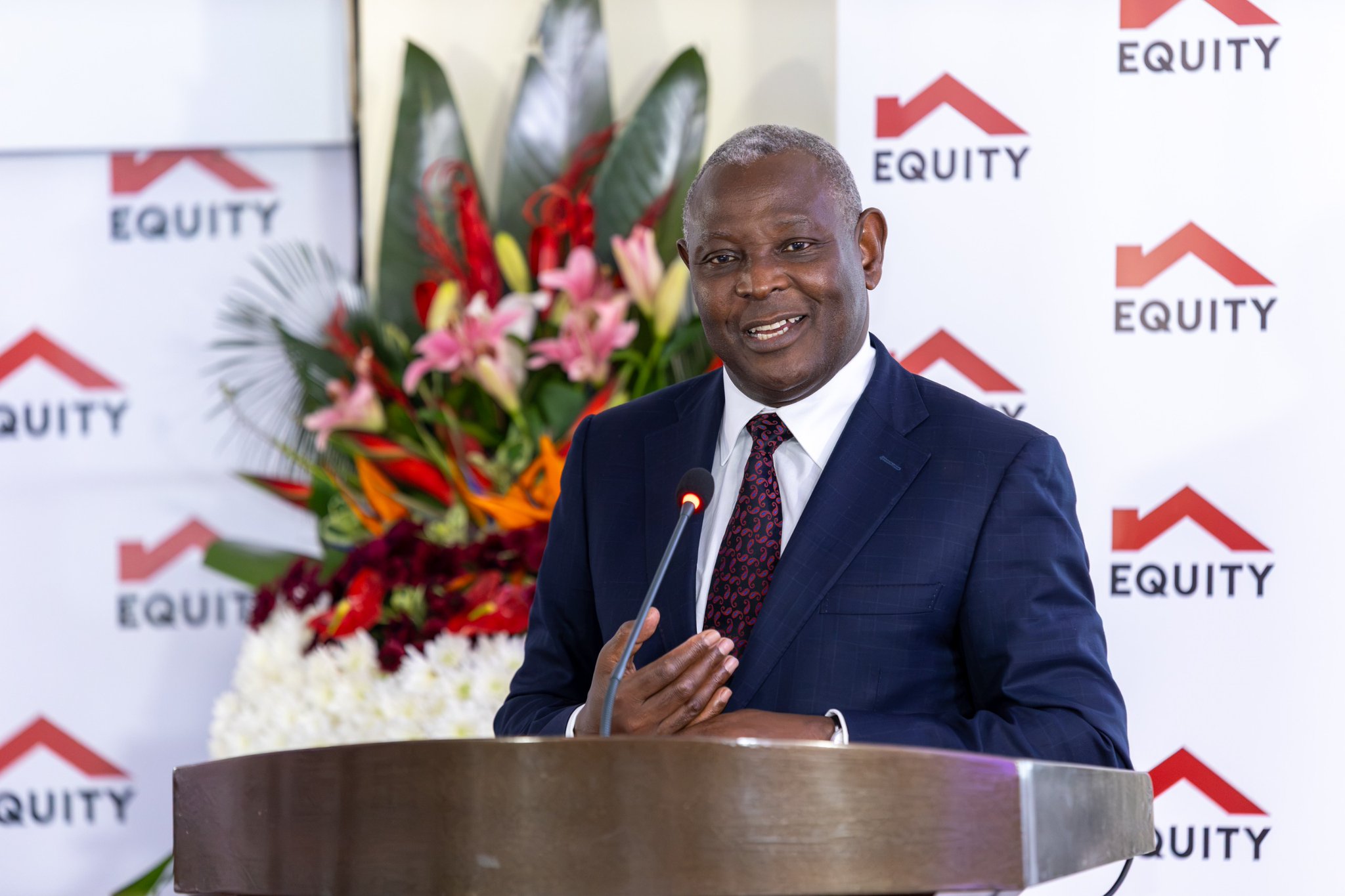
Kenyan banks’ heavy holdings of government debt will continue to cap their credit strength despite rising profits and a sharp improvement in loan quality, Moody’s Ratings says.
The ratings agency said on Wednesday that lenders’ holdings of government securities stood at 1.7 times their equity at the end of December 2025, tying their capital, earnings and liquidity closely to the State’s fortunes.
As a result, the standalone credit strength of the Kenyan banks it rates sits at or below Kenya’s B3 sovereign rating.
The warning comes even as the sector posts stronger numbers. Moody’s estimates aggregate return on assets for the banking units of the 11 listed groups rose to 3.5 percent in the first half of 2026, from 3.3 percent in 2025 and about 3.1 percent in 2024.


Equity Bank Kenya posted the highest return and the biggest year-on-year improvement, followed by Co-operative Bank, whose profitability has stayed consistently high.
Lenders have been helped by deposit costs falling faster than loan rates. The Central Bank of Kenya cut its benchmark rate to 8.75 percent in February 2026, from a peak of 13 percent in July 2024.

Full rollout of risk-based loan pricing this year has forced banks to pass on rate changes faster, which Moody’s says will make earnings more sensitive to monetary policy.
The agency said sustaining profits will increasingly depend on loan growth, lower provisions and more non-interest income, which remains low compared with regional peers.
Profits are also concentrated at the top. The 10 most profitable banks earned nearly 90 percent of industry pre-tax profit in 2025, while holding just over 70 percent of deposits and assets.
Small banks lag on bad loans
The industry’s non-performing loan (NPL) ratio has fallen below 15 percent, from a peak of 17.6 percent in April and June 2025, reversing a decade-long deterioration.
Equity Bank Kenya recorded the largest improvement among listed lenders in the first half, followed by KCB Bank Kenya.
Moody’s attributed the recovery to lower interest rates, renewed credit growth, a return to real wage growth in 2025 and a decline in government pending bills, which has allowed contractors to repay loans.
The gains, however, have been driven by large and medium-sized lenders. The NPL ratio for Kenya’s 21 small banks worsened to 28.6 percent in 2025 from 26.7 percent a year earlier, according to Kenya Bankers Association data cited in the report.
Kenya’s bad loan ratio is likely to remain above most peers given its weak starting point. Moody’s flagged higher inflation linked to the Middle East conflict, weather shocks and the upcoming General Election as downside risks.
Smaller lenders face added pressure from the rise in minimum core capital to Sh10 billion by 2032, from Sh1 billion. More than half of Kenya’s 39 banking institutions will need to build or raise capital to comply.
Regional expansion has not yet loosened the sovereign link. Equity Group’s operations outside Kenya accounted for 50 percent of revenue and 52 percent of assets as of June, while KCB Group’s regional units contributed 28 percent of profit and 31 percent of assets.
But both groups’ holdings of Kenyan government securities still exceed their core capital, meaning diversification “has not yet materially weakened their sovereign link,” Moody’s said.
Real ESG impact doesn’t happen in panels alone, it happens in the rooms where financiers, operators, and policymakers actually align. Our GreenShift Forum 2026 cuts the noise, bringing together the people rewiring Africa’s sustainability and energy frameworks for one focused day in Nairobi. Secure your seat.
Go to TECHTRENDSKE.co.ke for more tech and business news from the African continent and across the world.
Follow us on WhatsApp, Telegram, Twitter, and Facebook, or subscribe to our weekly newsletter to ensure you don’t miss out on any future updates. Send tips to info@techtrendsmedia.co.ke


