
Nyashinski and Foi Wambui face separate copyright disputes over music used in Tecno and Oppo campaigns

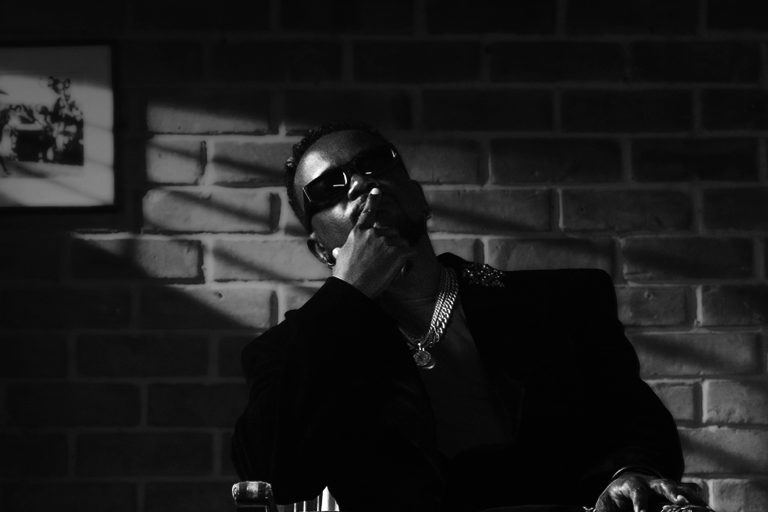
Nyashinski and Foi Wambui are facing separate copyright disputes over music used in Tecno and Oppo campaigns, putting the spotlight on who is responsible for clearing songs before branded content goes live.
Nyashinski has lost a High Court appeal seeking to keep details of his 2023 Tecno Kenya endorsement deal private, clearing the way for disclosure of the contract and related financial records in a dispute over his song “Wach Wach”. In a separate case, a magistrate has rejected Foi Wambui’s attempt to have herself removed from a copyright suit brought by singer and producer Mutoriah over the use of his song “Beta” in an Oppo Reno 12 5G promotional campaign.
Neither ruling determines final copyright liability. What the two cases do show is how questions that can appear straightforward during a brand campaign can become considerably more complicated once ownership, licensing and contractual responsibility are challenged after the content is already public.
Court orders disclosure in Nyashinski Tecno dispute
The Nyashinski case centres on “Wach Wach”, a song whose rights are divided between the rapper and Nigerian producer Sam Are Eliapenda.


The split sheet cited in the case gives Nyashinski 100 percent of the master rights to the recording, while publishing rights are divided equally between him and Eliapenda. That distinction is central to the dispute because the song was used in marketing connected to Nyashinski’s Tecno Camon 20 endorsement in 2023.
Eliapenda argues that his 50 percent publishing interest gives him a claim to part of the commercial value generated through the use of the song. Nyashinski has maintained that his agreement with Tecno was an endorsement arrangement covering areas including image rights, appearances, shoots and social-media association, rather than a publishing agreement.

Nyashinski has also argued that his company, GETA International, entered into a fair-use agreement with Tecno covering “Wach Wach”. His position is that his ownership of the master gave him the authority to permit that use without obtaining Eliapenda’s consent.
The immediate issue before the High Court was narrower. A magistrate had ordered Nyashinski to produce the Tecno contract, bank transaction records and royalty reports so the financial issues raised by Eliapenda could be examined. Nyashinski appealed, arguing that disclosure could expose confidential commercial information, trade secrets and financial details covered by confidentiality obligations.
The High Court initially stayed the disclosure order while the appeal was being considered. That protection has now fallen away after the court dismissed the appeal, allowing the documents to be produced. The matter therefore returns to the Magistrates’ Court with the contract and related financial records available for examination.
The value of the Tecno agreement has also become part of the public discussion. Business Daily reported that sources familiar with the deal estimated its value at about KSh12 million, although the disclosure process is expected to establish the contractual and financial details rather than relying on an outside estimate.
The High Court decision does not establish that Nyashinski infringed Eliapenda’s copyright. It determines that the documents sought are relevant to the dispute and should be disclosed. The underlying disagreement over how Eliapenda’s publishing rights relate to the commercial use of “Wach Wach” remains unresolved.
Foi Wambui remains tied to Oppo song claim
The Foi Wambui case involves a different song, a different campaign and a different question about who was responsible for clearing the music.
In August 2024, Wambui created a promotional skit for Oppo’s Reno 12 5G featuring Mutoriah’s song “Beta”. The video promoted features of the smartphone through a storyline in which Wambui uses the phone to remove a former partner from photographs.
Mutoriah says he discovered the commercial use of “Beta” on social media and had not authorised the synchronisation of the song with the promotional video. He subsequently demanded an apology and acknowledgement of copyright infringement before filing suit at the Magistrates’ Court.
His claim is that the commercial pairing of the song with the video required a synchronisation licence, which he says was not obtained. He also argues that Wambui infringed his rights by publishing the video on her Instagram account.
Wambui has disputed responsibility for the rights issue, pointing to Oppo’s role in reviewing and approving the campaign material. Her position is that she did not control the final approved content and that responsibility for obtaining the required music rights rested with Oppo.
Oppo has taken a different position. According to the court proceedings, the company argued that it did not determine which song Wambui would use and that she, as the creator who posted the material on her own social-media account, should have confirmed that the music had been cleared.
The campaign also involved Aifluence, the influencer marketing agency Oppo had engaged to manage the campaign. TechTrendsKE reported in February 2025 that Oppo said Aifluence handled contracts, deliverables and payments for influencers in the Reno12 campaign, with influencers signing contracts directly with the agency rather than Oppo.
That earlier dispute does not establish who was responsible for the music rights. It does, however, show that the campaign already involved a multi-party contractual structure before the copyright dispute emerged.
Wambui subsequently applied to have herself removed from the copyright case. The magistrate rejected that application in September 2026, meaning she remains a defendant as the substantive dispute proceeds.
The decision does not determine that Wambui is ultimately liable for copyright infringement. It means the questions surrounding her involvement, the campaign’s approval process and responsibility for the relevant rights require determination through the case rather than being resolved by removing her from the proceedings.
The campaign is finished. The rights questions aren’t.
The two cases illustrate a problem that becomes more complicated as commercial campaigns involve several parties.
A creator campaign can have a brand, marketing agency, influencer, production team and creative personnel involved before a video reaches the public. Music adds another layer because the rights in a particular recording can be separate from the rights in the underlying composition, while permission to use a song in ordinary social content may not necessarily cover every form of commercial advertising.
The Nyashinski dispute makes that distinction particularly visible. He holds the master rights to “Wach Wach”, while the publishing rights are shared with Eliapenda. The case therefore raises a specific question about how those different rights interact with the commercial use of the song in a brand campaign.
The Foi Wambui case raises a different question. Even where an influencer works within a brand approval process, who is contractually responsible for making sure the music in the finished creative has been cleared?
That question becomes harder when an agency sits between the brand and creator. The campaign can have multiple agreements covering payment, deliverables, approvals and publication, while the music itself may be subject to a separate set of rights.
The result is a familiar problem in creative industries: the content can be completed, published and monetised before everyone involved has reached a clear understanding of who secured the underlying rights.
What the cases reveal about Kenya’s music rights economy
The disputes also fit into a wider problem around the commercialisation of Kenyan music.
TechTrendsKE’s recent analysis of Kenya and Nigeria’s music economies found that growing audiences do not automatically translate into maximum income for creators and rights holders. The analysis pointed to gaps in rights management, licensing, royalty collection and distribution as part of the infrastructure limiting the value that reaches the people who own or create the work.
That broader picture is relevant to commercial campaigns because a copyright system only creates economic value for rights holders when ownership can be identified, permissions can be obtained and payments can be traced.
The same principle appears in the growing global push toward licensed AI music. Recent deals between major rights holders and AI companies have placed explicit permission at the centre of commercial arrangements, with questions around the scope of licences, compensation and control becoming part of the deal itself.
For Kenyan creators, the lesson is practical. A campaign agreement should make clear who selects music, who obtains clearance, which rights are covered, where the content can appear, how long the permission lasts and whether the brand can use the material as paid advertising.
The distinction between master rights, publishing rights and synchronisation rights should also be understood before a campaign goes live. The precise permissions required depend on the work, ownership structure and contractual arrangements, but treating “the song” as one indivisible right can leave important gaps.
That becomes particularly important when content moves from an influencer’s ordinary social-media feed into paid brand promotion. A song that can be used in one context may require additional permission when it becomes part of advertising, and the responsibility for obtaining that permission needs to be established rather than assumed.
Kenya is also reconsidering the institutional framework around intellectual property. The proposed Kenya Intellectual Property Bill, 2026 would merge the Kenya Industrial Property Institute, Kenya Copyright Board and Anti-Counterfeit Authority into a proposed Kenya Intellectual Property Authority, while introducing broader provisions covering copyright, digital platforms, artificial intelligence and intellectual-property disputes.
That reform is still a legislative proposal, so it does not resolve the practical issues raised by the Nyashinski and Wambui cases. But its timing reflects the wider challenge facing Kenya’s creative and technology economies: intellectual property is increasingly being treated as a commercial asset at the same time that the transactions built around those assets are becoming more complex.
The Nyashinski and Foi Wambui cases are therefore different disputes with different facts and legal questions. What connects them is the point at which commercial creativity meets rights ownership: once the campaign is live and money has changed hands, unclear music-clearance responsibilities can become a legal question involving the artist, creator, agency and brand.
Neither case has reached a final determination on the underlying copyright claim. But both show why the paperwork behind a creative campaign can matter just as much as the content audiences ultimately see.
Real ESG impact doesn’t happen in panels alone, it happens in the rooms where financiers, operators, and policymakers actually align. Our GreenShift Forum 2026 cuts the noise, bringing together the people rewiring Africa’s sustainability and energy frameworks for one focused day in Nairobi. Secure your seat.
Go to TECHTRENDSKE.co.ke for more tech and business news from the African continent and across the world.
Follow us on WhatsApp, Telegram, Twitter, and Facebook, or subscribe to our weekly newsletter to ensure you don’t miss out on any future updates. Send tips to info@techtrendsmedia.co.ke


