
Spiro partners with Yadea to expand electric motorcycles and battery swapping across Africa

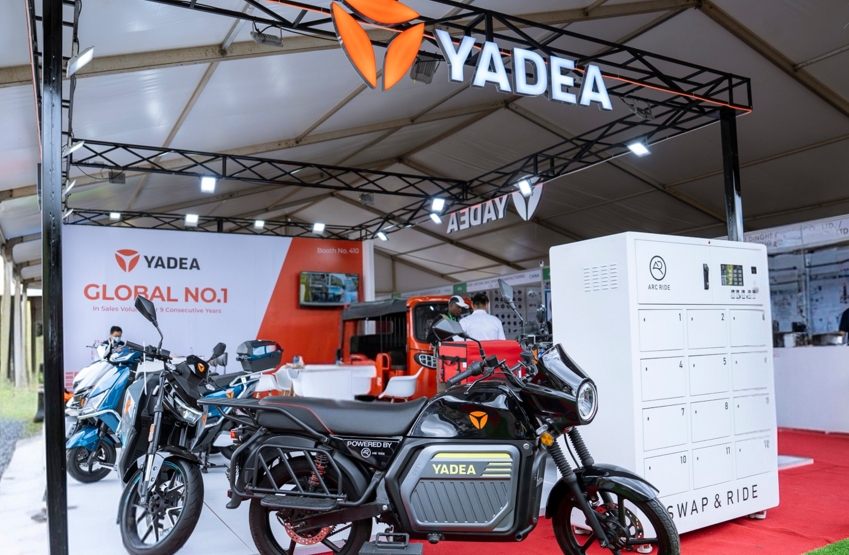
Electric mobility company Spiro has partnered with Chinese electric two-wheeler manufacturer Yadea in a move aimed at expanding affordable electric transport for riders, delivery operators and commercial fleets across Africa.
The partnership will see Yadea supply electric two-wheelers and related products to Spiro’s growing African markets, while Spiro integrates the vehicles into its battery-swapping and energy network. The companies also plan to develop electric motorcycles specifically suited to African road conditions and the demands of commercial riders.
The agreement brings together Yadea’s manufacturing and research capabilities with Spiro’s operational footprint and battery-swapping infrastructure, which currently spans seven African countries.
For riders and businesses, the partnership is expected to improve access to electric two-wheelers while addressing one of the practical challenges facing electric mobility in Africa: keeping vehicles powered and on the road.

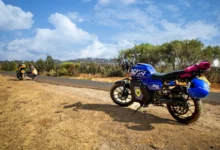
Rather than waiting for batteries to charge, Spiro’s model allows riders to exchange depleted batteries for fully charged ones at swapping stations. The approach is particularly relevant to commercial motorcycle operators and delivery businesses, where long periods of downtime can directly affect earnings.
Spiro founder and Equitane Chairman Gagan Gupta said the partnership represents an important step in the company’s ambition to establish the infrastructure needed to support Africa’s transition to cleaner transport.

The company’s CEO, Anant Badjatya, said combining Yadea’s manufacturing capacity with Spiro’s existing ecosystem would allow more riders to move to electric motorcycles at a faster pace.
Yadea Senior Vice President Wang Jiazhong said the partnership would help the manufacturer expand its zero-emission mobility ambitions in Africa by combining its technology with infrastructure built around local market needs.
The collaboration comes as demand for electric mobility grows across African cities, where two-wheelers have become an important part of passenger transport, last-mile delivery and logistics. Electric motorcycles are increasingly being explored as an alternative to petrol-powered bikes, particularly where lower running and maintenance costs can make a difference for high-mileage commercial riders.
Yadea brings significant manufacturing scale to the partnership. The company says it has sold more than 100 million electric vehicles across more than 100 countries and operates 10 production facilities globally. It also holds more than 2,000 patents related to electric vehicle technology.
Spiro, meanwhile, is entering the partnership from a period of rapid expansion. The company recently raised $270 million in its latest funding round, with Chinese investment fund NewTrails Capital among the investors.
The funding is supporting Spiro’s efforts to expand its electric mobility ecosystem across Africa, built around electric motorcycles, battery-swapping stations and supporting energy infrastructure.
The Yadea agreement could therefore give Spiro greater access to vehicle supply as it expands, while giving Yadea a stronger route into African markets through an established local operating and energy network.
The companies are targeting a range of users, including commercial fleet operators, delivery companies, logistics providers and everyday commuters. Their longer-term ambition is to create an electric two-wheeler ecosystem that can be replicated across some of Africa’s fastest-growing mobility markets.
The partnership also highlights the increasingly important role of China-Africa collaboration in the continent’s electric mobility transition, with Chinese manufacturers bringing vehicle production and technology expertise while African operators provide market knowledge and locally adapted infrastructure.
For Africa’s growing number of motorcycle-based businesses, the success of such partnerships will ultimately depend not only on the availability of electric bikes, but also on whether charging and battery-swapping networks can keep pace with demand and make the switch financially practical for riders.
Go to TECHTRENDSKE.co.ke for more tech and business news from the African continent and across the world.
Follow us on WhatsApp, Telegram, Twitter, and Facebook, or subscribe to our weekly newsletter to ensure you don’t miss out on any future updates. Send tips to editorial@techtrendsmedia.co.ke


