
Deloitte’s next $80 million in Egypt targets AI, cloud and cybersecurity

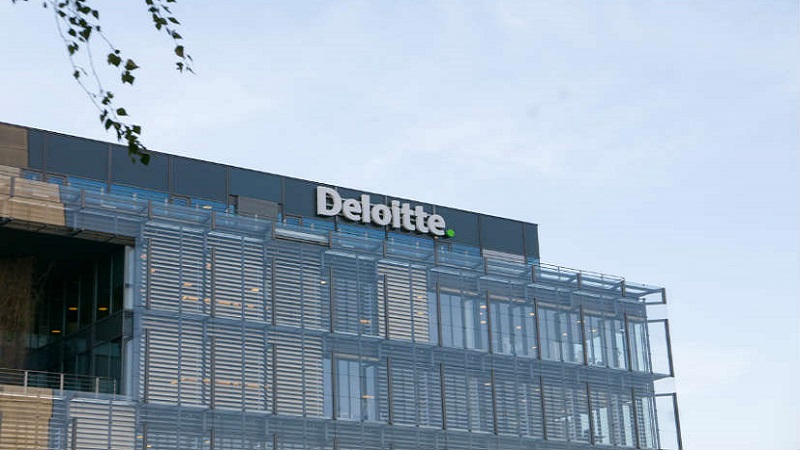
The Deloitte Innovation Hub is expanding its technology operations in Egypt as demand grows for artificial intelligence, cloud computing, cybersecurity and digital engineering solutions that deliver measurable business results.
The hub, an initiative of Deloitte, has grown from 23 employees at launch to more than 900 professionals, supporting clients across Europe, the Middle East and Africa and other international markets and it has invested more than $30 million so far and plans to invest a further $80 million over the next three years to expand its digital capabilities.
“Technology is more accessible than ever before, but access alone does not create value. Organizations are moving beyond isolated technology experiments. They want to connect investments in AI, engineering and cybersecurity directly to smarter decisions, leaner operations and stronger financial performance.” Said Ahmed Salem, Chief Operating Officer, Deloitte Innovation Hub.
The Deloitte Innovation Hub provides capabilities across engineering, artificial intelligence, data and cybersecurity, enabling it to develop, implement and secure digital solutions for organizations undergoing large-scale transformation. Its connection to Deloitte’s wider Europe, Middle East and Africa network also gives the hub access to regional expertise and resources for complex technology programmes.
![[Video Interview] Deloitte's Aasif Karachi on Uskilling and their partnership with AWS](https://techtrendske.co.ke/wp-content/uploads/2024/09/final3-Cover-220x150.jpg)
The hub’s work in artificial intelligence and data includes the development of enterprise data platforms and customized Generative AI and Large Language Model solutions. In financial services, its technology has been used to automate credit risk assessments, cutting processing times from several days to minutes.
Engineering and automation are also central to its operations, with the hub developing digital platforms using cloud architecture, DevOps and automated testing. It has also supported organisations in the Middle East with the redesign of fragmented workflows, replacing manual processes with integrated digital systems aimed at improving service delivery and collaboration.

Cybersecurity is incorporated into these projects from the development stage, covering areas such as enterprise security, digital privacy and cyber resilience. The approach is designed to allow organisations to adopt emerging technologies while strengthening protection for critical systems and data.
The hub is also working to expand Egypt’s technology talent pipeline through partnerships focused on practical training, mentorship and industry exposure. Among its initiatives is the NextStep x UNICEF Mentorship Programme, which completed its first cohort and began a new cohort in July 2026.
Salem noted digital transformation is driven as much by people as it is by technology. He noted that the hub’s role goes beyond implementing platforms and AI solutions, focusing instead on helping organisations develop capabilities that deliver sustainable business value.
“The Deloitte Innovation Hub is proud to contribute to that journey by exporting world-class technology services developed by Egyptian talent to organisations across Europe, the Middle East and Africa.” He added.
Real ESG impact doesn’t happen in panels alone, it happens in the rooms where financiers, operators, and policymakers actually align. Our GreenShift Forum 2026 cuts the noise, bringing together the people rewiring Africa’s sustainability and energy frameworks for one focused day in Nairobi. Secure your seat.
Go to TECHTRENDSKE.co.ke for more tech and business news from the African continent and across the world.
Follow us on WhatsApp, Telegram, Twitter, and Facebook, or subscribe to our weekly newsletter to ensure you don’t miss out on any future updates. Send tips to editorial@techtrendsmedia.co.ke


