
Samsung's One UI Rebuild Could Give Galaxy A Series Smartphone Users Their Biggest Upgrade Yet

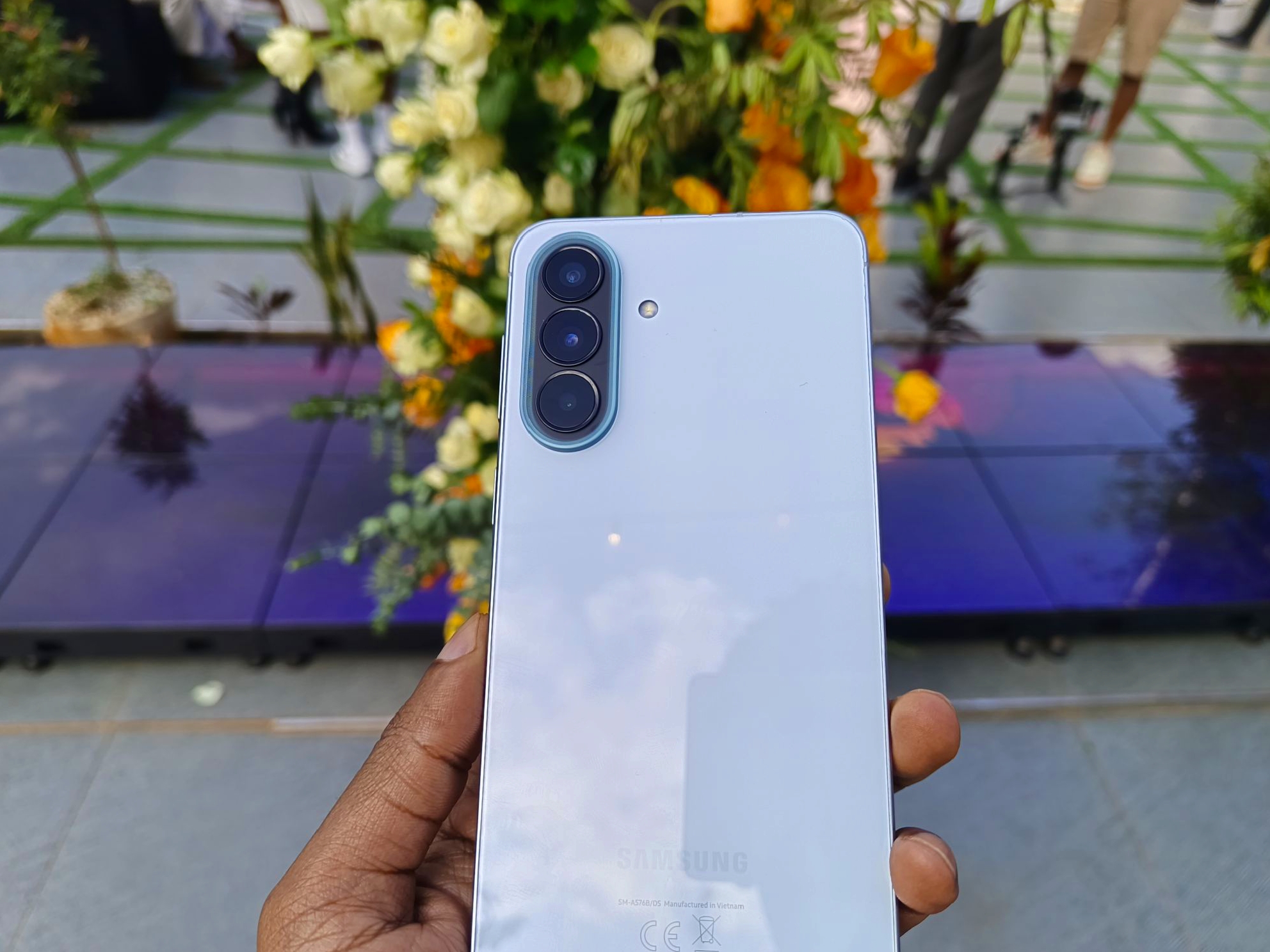
Samsung may be preparing one of the most significant software changes in the history of One UI, and if reports of its rebuild prove accurate, the impact could extend far beyond smoother animations or faster app launches. The reported overhaul could help Samsung support a rapidly expanding Galaxy portfolio, bring more AI capabilities to mid-range devices and make long-term software updates easier to deliver. While every Galaxy phone could benefit from a cleaner software foundation, the biggest improvements may be felt by owners of Galaxy A, M and F series devices.
Samsung has not confirmed the reported rebuild, which is said to involve creating a cleaner foundation around the Android Open Source Project (AOSP). As with any early leak, the plans could evolve before reaching consumers. Even so, the report fits with several other developments that point toward a broader transformation inside Samsung’s smartphone business.
One UI has become one of Android’s richest software experiences. Samsung combines deep customization with productivity tools such as Good Lock, Samsung DeX, Secure Folder, Modes and Routines, Edge Panels and tight integration across its wider ecosystem.
On flagship devices equipped with high-end Snapdragon and Exynos processors, that software feels polished because the hardware has enough processing power, memory and storage bandwidth to handle demanding workloads without slowing down.

The experience can be different on more affordable phones. Galaxy A, M and F series devices often carry less powerful chipsets and tighter hardware limits, which can translate into slower app launches, occasional animation stutters and brief delays during heavier multitasking.
That does not mean Samsung’s mid-range hardware falls short. Recent Galaxy A devices combine AMOLED displays, dependable cameras, large batteries, IP-rated durability and software support that rivals many premium smartphones. The software experience has often been the area with the greatest room for refinement.

Samsung’s recent A-series strategy makes software optimization more important than ever.
The Galaxy A57 5G, A37 5G and Galaxy A27 5G bring features that once belonged almost exclusively to flagship devices, including Circle to Search, AI-powered photo editing, Google Gemini integration, Samsung Knox security and up to six generations of Android and One UI upgrades.
Those capabilities improve the overall experience, but they also increase the demands placed on processors, memory and background services.
A cleaner One UI architecture could help Samsung reduce unnecessary overhead, improve resource management and streamline system processes. Even modest gains in efficiency could make Galaxy A phones feel noticeably more responsive throughout everyday use while helping them maintain that performance over a longer ownership cycle.
Samsung has made it clear that artificial intelligence is no longer reserved for flagship devices.
Galaxy AI features are steadily moving into the company’s mid-range portfolio, allowing more users to access tools such as Object Eraser, Voice Transcription, Circle to Search and multiple AI assistants including Google Gemini and Perplexity.
Supporting those features across a wider range of hardware requires more than faster processors. AI workloads consume additional CPU, GPU and neural processing resources while placing greater pressure on memory management and background services.
Software efficiency therefore becomes part of the AI strategy itself.
Samsung’s commitment to six years of Android and One UI updates raises the importance of that efficiency even further. Phones expected to remain secure and capable well into the next decade need an operating system that can evolve without becoming progressively heavier with each release.
The reported One UI rebuild also fits alongside another change taking shape across Samsung’s smartphone business.
The company is no longer managing a relatively straightforward lineup centred on a handful of Galaxy S flagships and two foldable phones.
This year, Samsung expanded its foldable portfolio by introducing the Galaxy Z Fold8 Ultra alongside the Galaxy Z Fold8 while continuing its Flip range and laying the groundwork for future TriFold devices. Separate reports also suggest the Galaxy S family could grow next year with the addition of a Galaxy S27 Pro, giving buyers another premium option between the Plus and Ultra models.
If those plans materialise, Samsung would oversee its broadest flagship portfolio to date while continuing to expand AI capabilities throughout the Galaxy A series.
That makes software architecture more important than ever.
A cleaner One UI foundation could simplify development across a growing number of devices, reduce engineering complexity and make it easier to deploy new AI features, Android upgrades and security updates consistently across the Galaxy ecosystem.
The benefits would extend across the entire product range, even if Galaxy A users notice the greatest improvement in day-to-day responsiveness.
A redesigned operating system should not be viewed as a substitute for better hardware.
Processor performance, storage speed, graphics capability, thermal management and memory bandwidth remain fundamental factors in how a smartphone performs under demanding workloads.
Samsung has already begun improving those areas by introducing newer Snapdragon and Exynos platforms with stronger AI processing capabilities across recent devices. The experience users notice over the coming years will likely result from software and hardware advancing together rather than one replacing the other.
Taken on its own, the reported One UI rebuild looks like an effort to improve software efficiency. Viewed alongside Samsung’s broader product strategy, it appears to serve a much larger purpose.
The company is expanding AI across more price points, extending software support, introducing additional flagship models and managing a broader range of foldables than at any point in its history. Those ambitions place greater demands on the software platform that connects every Galaxy device.
Samsung has not confirmed that a One UI rebuild is underway, and early reports should be treated with caution. If the company is indeed rebuilding the platform on a cleaner foundation, however, the objective is unlikely to be limited to making Galaxy phones feel slightly faster. It would give Samsung a stronger software base for a Galaxy family that is becoming larger, more diverse and far more dependent on AI than ever before.
Download the free Kaspersky SMB Cybersecurity Guide here to learn how businesses can move beyond traditional antivirus and build a more resilient approach to cybersecurity.
Go to TECHTRENDSKE.co.ke for more tech and business news from the African continent and across the world.
Follow us on WhatsApp, Telegram, Twitter, and Facebook, or subscribe to our weekly newsletter to ensure you don’t miss out on any future updates. Send tips to editorial@techtrendsmedia.co.ke


