Nairobi Game Studio Ubuntu Universe Lands EdTech Fellowship Backing for Offline Learning App

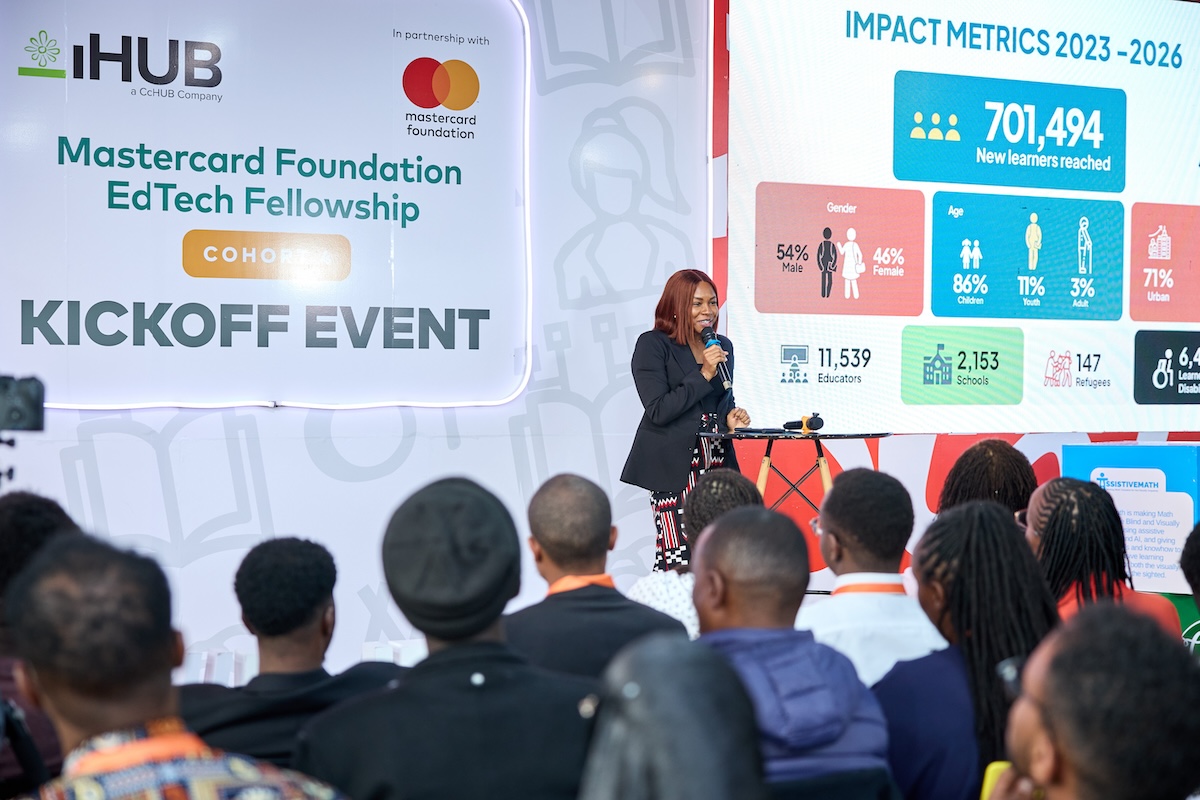
Ubuntu Universe Limited, a Nairobi game studio behind the offline-first learning app Soraha, has been selected for the fourth cohort of the Mastercard Foundation EdTech Fellowship, joining 11 other Kenyan startups unveiled by iHUB on July 23.
The company, founded by Billy Gareth and Joseph Makonge, built its reputation through the Nairobi Global Game Jam, where it has picked up ten awards over five years for titles including GMan, Sapana, Laugh-N-Learn, and Butwaa. That track record now underpins its pitch as an education technology company.
Ubuntu Universe was selected in the cohort’s cluster of four startups building for refugee, displaced, rural, and underserved communities, alongside Neurollect Audread, JUZA AI LTD, and RYEH CBO. All four are working on multilingual and offline-capable learning tools aimed at communities where internet access and language remain the first barrier to education.
Its flagship product, Soraha, is designed to work without a live internet connection. Students download content once and can continue learning indefinitely offline, a design choice aimed at regions with limited connectivity and infrastructure. The platform also runs a local multiplayer system that lets students compete over local WiFi hotspots without needing internet access at all.


Soraha combines the game layer with a more conventional school platform, offering assignment workflows, analytics, and reporting for teachers, tutors, students, and guardians. It also includes an adaptive revision system that identifies knowledge gaps and targets questions to strengthen specific subjects.
The platform builds in a rewards system that lets top-performing students earn tangible items such as school supplies, educational materials, and vouchers for essentials including shoes and clothing, an approach aimed at meeting practical needs alongside academic ones in underserved communities. Accessibility features, including adjustable text sizes, screen reader compatibility, and alternative input methods, are built into the product.

Nissi Madu, Managing Partner at iHUB, said the selection criteria for the cohort prioritised founders close to the problems they are solving. “Innovation has the greatest impact when it begins with the learners who have historically been excluded,” Madu said. “These founders are tackling some of the most persistent barriers to equitable education through solutions designed with inclusion at their core.”
Like the rest of Cohort 4, Ubuntu Universe will receive up to $100,000 (KSh12.9 million) in equity-free funding over an 18-month programme, a shift from the Fellowship’s earlier eight-month cycles that targeted growth-stage companies. iHUB has said the longer runway is meant to let early-stage founders test their products, refine them with real users, and build evidence that can attract investors before pushing for scale.
Beyond the funding, Ubuntu Universe will get access to iHUB’s network of ecosystem partners, along with media readiness and stakeholder engagement support to help validate Soraha and position it for scale through partnerships and investment.
The Fellowship has backed 36 EdTech companies in Kenya since 2023, reaching more than 700,000 learners, training over 11,000 educators, and partnering with more than 2,100 schools, according to iHUB.
Download the free Kaspersky SMB Cybersecurity Guide here to learn how businesses can move beyond traditional antivirus and build a more resilient approach to cybersecurity.
Go to TECHTRENDSKE.co.ke for more tech and business news from the African continent and across the world.
Follow us on WhatsApp, Telegram, Twitter, and Facebook, or subscribe to our weekly newsletter to ensure you don’t miss out on any future updates. Send tips to editorial@techtrendsmedia.co.ke