Why TM Roh Believes Samsung Is Ready for Apple's Foldable iPhone

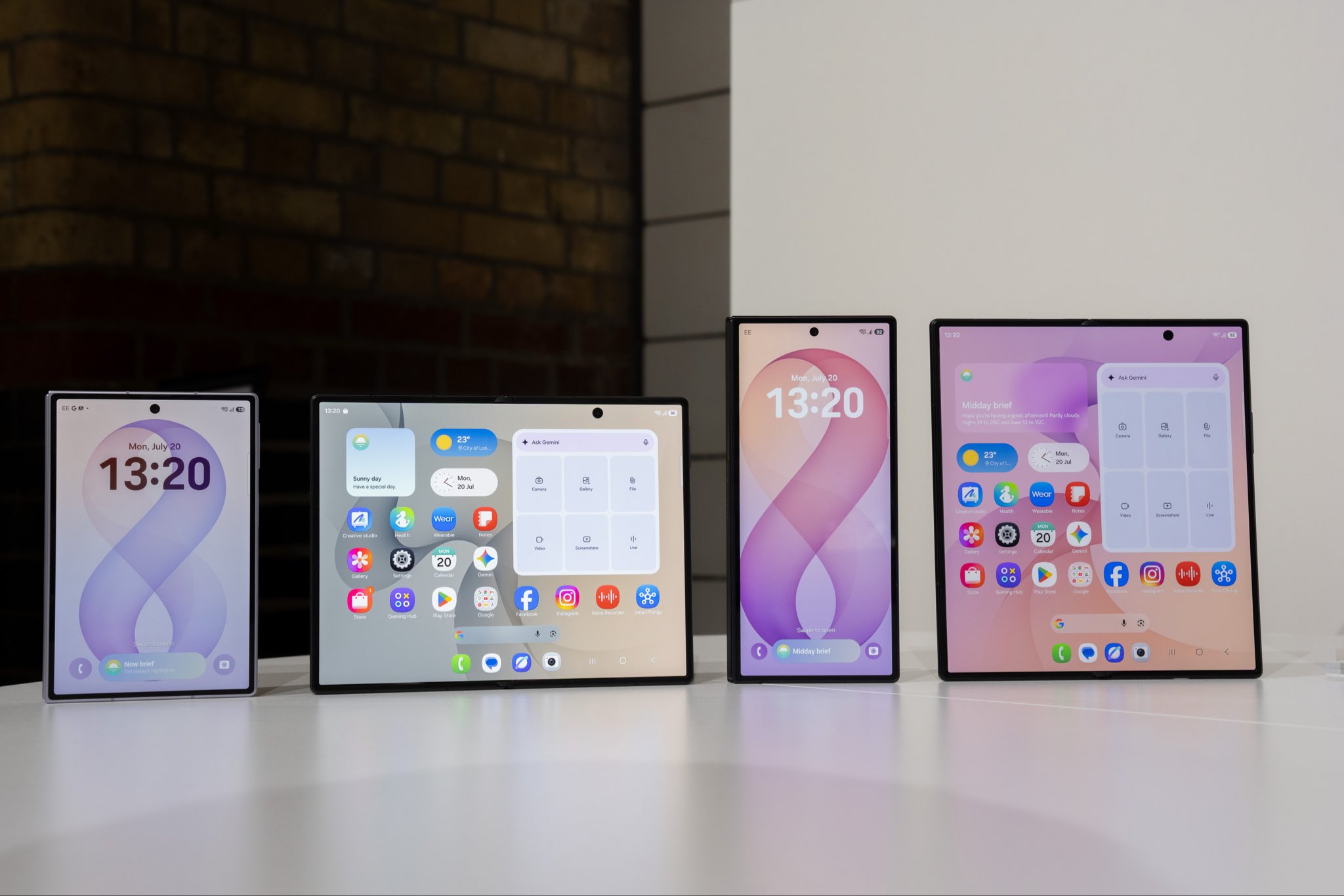
Samsung’s latest foldable lineup isn’t simply an annual refresh. The Galaxy Z Fold 8 represents the biggest change to the Fold series since the original device launched, abandoning the familiar tall, narrow design that defined the lineup for seven generations in favor of a shorter, passport-style form factor.
That decision could reshape how premium foldables evolve over the next few years.
Alongside the Galaxy Z Fold 8, Samsung introduced the Galaxy Z Fold 8 Ultra, which continues the traditional Fold design with flagship specifications, and the Galaxy Z Flip 8. Rather than replacing its existing formula outright, Samsung is now offering two distinct interpretations of what a book-style foldable should be.
For years, Samsung refined a tall, phone-like foldable designed to maximize productivity. The Fold became synonymous with multitasking, allowing users to run multiple applications side by side while maintaining a narrow cover display for one-handed use.

The Galaxy Z Fold 8 changes that philosophy.
When folded, it resembles a compact passport rather than an elongated smartphone. The wider outer display makes typing, messaging and everyday navigation feel more natural without constantly unfolding the device.
The move is particularly notable because other smartphone makers experimented with similar designs before eventually abandoning them. Samsung, despite leading the foldable market, deliberately stayed away from the passport-style approach until now.
That makes the timing significant.
The biggest reason this design feels viable today is that foldable hardware has matured.
The Galaxy Z Fold 8 measures just 4.5 mm when unfolded and weighs roughly 200 grams, making it one of Samsung’s lightest foldables yet. A redesigned hinge also helps minimize the display crease, bringing Samsung closer to nearly invisible folding displays seen on some competing devices.
Rather than feeling like an experimental product, the Fold 8 feels closer to a conventional flagship smartphone that simply unfolds into a tablet.
Those engineering improvements remove many of the compromises that previously discouraged wider foldable designs.
Samsung’s new form factor also changes how users consume content.
The wider display offers a noticeably larger viewing area for standard 16:9 videos compared with traditional tall foldables, making YouTube and many streaming apps feel more immersive.
Photos also benefit because most smartphone cameras capture images in a 4:3 aspect ratio, allowing them to fill nearly the entire display.
There are still limitations.
Ultra-wide cinematic movies continue to display black bars, and users expecting a completely edge-to-edge video experience may be disappointed. Vertical social media videos also remain relatively small when using the outer screen, requiring users to unfold the device for the best viewing experience.
The result is a device optimized for versatility rather than eliminating every compromise.
Samsung has positioned the Galaxy Z Fold 8 Ultra as its flagship productivity machine.
The Ultra retains the familiar taller display, adds a triple-camera system, larger battery, more storage options and premium hardware aimed at power users.
The standard Fold 8, meanwhile, takes a different approach.
Instead of competing on specifications alone, it focuses on comfort, portability and everyday usability.
The wider cover screen makes common smartphone tasks feel more familiar, while the lighter weight makes it easier to carry throughout the day.
It’s a shift in priorities that suggests Samsung believes not every foldable buyer is looking for a pocket-sized workstation.
For years, foldables were marketed primarily as productivity devices.
Samsung now appears to be betting that the next wave of buyers values entertainment, portability and familiar smartphone ergonomics just as much as multitasking.
That could significantly broaden the appeal of premium foldables.
Rather than asking consumers to change how they use a smartphone, the Galaxy Z Fold 8 attempts to make the transition to a foldable feel almost effortless.
Samsung’s timing is also difficult to ignore.
Industry reports have consistently suggested Apple’s first foldable iPhone will adopt a similar passport-style design. Samsung Display is widely expected to supply the displays for Apple’s upcoming device, making the similarities between the two form factors unsurprising.
Whether intentional or not, Samsung now reaches the market first with a design many expect Apple to embrace.
That gives the company an opportunity to define consumer expectations before Apple’s eventual entry into the category.
Hardware is only part of Samsung’s lead.
One UI continues to offer one of the most polished foldable software experiences available, with mature multitasking features, split-screen support, floating windows and Galaxy AI capabilities that increasingly automate everyday tasks.
These software refinements make the Fold experience feel purpose-built rather than simply adapting a conventional smartphone interface to a larger display.
That maturity remains one of Samsung’s strongest competitive advantages.
Despite the hardware improvements, foldables remain expensive.
The Galaxy Z Fold 8 starts at $1,899, placing it firmly in the ultra-premium segment. While Samsung has made foldables thinner, lighter and more practical, affordability remains the biggest obstacle preventing widespread adoption.
Unless prices move significantly lower over the next few years, foldables are likely to remain aspirational devices rather than mainstream smartphones.
The Galaxy Z Fold 8 isn’t just another yearly upgrade.
It represents Samsung’s clearest signal yet that the future of foldables may be shifting away from pure productivity toward devices that feel more familiar, more comfortable and easier to live with every day.
Whether that strategy succeeds remains to be seen.
But after seven generations of refining one formula, Samsung has finally chosen a different path—and that may prove to be the company’s most important foldable decision yet.
Download the free Kaspersky SMB Cybersecurity Guide here to learn how businesses can move beyond traditional antivirus and build a more resilient approach to cybersecurity.