Samsung abandoned under-display cameras after four generations. Could Apple's foldable give the technology a second chance?

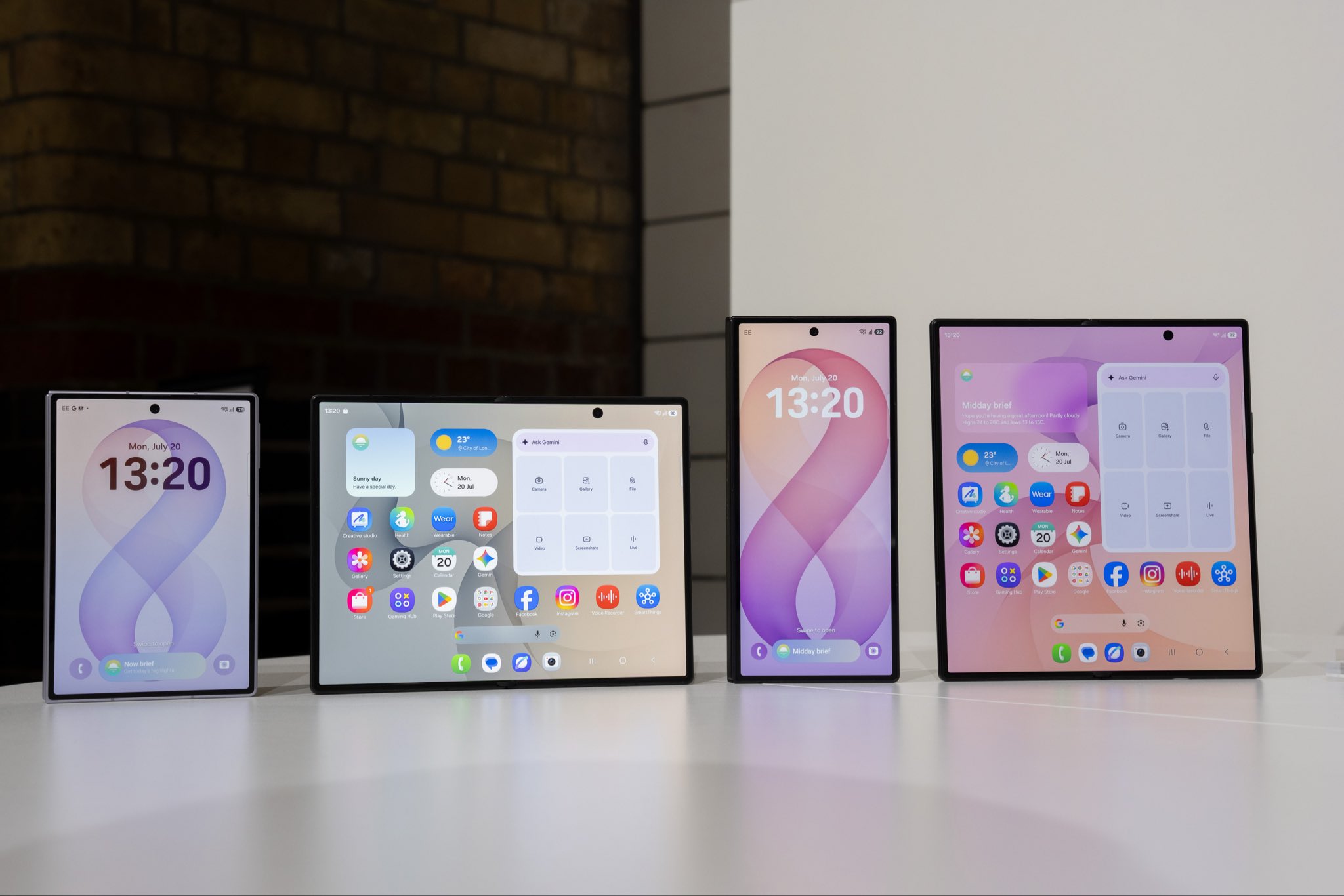
Samsung could be preparing to bring back a smartphone camera technology it abandoned after four generations of Galaxy Z Fold devices, just as Apple introduces the same approach on its first foldable iPhone. The reported Samsung under-display camera comeback on the Galaxy Z Fold9 raises an interesting question about how smartphone manufacturers and their innovations are judged, particularly when a technology that attracted criticism from one company receives renewed attention after another adopts it.
Samsung is developing a device with an under-display selfie camera, major internal changes and relatively minor adjustments to its overall thickness and design. The report cites a tipster on X who also claims Samsung is positioning the Galaxy Z Fold9 as a direct competitor to Apple’s iPhone Duo. If the reported camera makes it into the commercial device, Samsung would be returning to an approach it spent four generations refining before moving away from it.
Samsung introduced under-display cameras before the technology was ready
Samsung introduced its first under-display camera on the Galaxy Z Fold3 in 2021, making the inner display appear more continuous by placing the selfie camera beneath the screen rather than cutting a visible hole through it. The 4MP camera was intended primarily to preserve the large internal display’s uninterrupted appearance, giving the foldable a more immersive viewing experience. It was an ambitious implementation of a technology that presented considerable engineering challenges, particularly around allowing enough light through the display to produce usable photographs.
The reception was difficult. Reviews of the Galaxy Z Fold3 repeatedly criticised the camera’s image quality, with publications pointing to blurry photographs, limited detail and weak results compared with conventional selfie cameras. DXOMARK’s assessment also identified problems with image noise, exposure and colour reproduction. The camera delivered on the visual objective of concealing the sensor, but its photographic performance made the compromise difficult to overlook.


Samsung retained the technology on the Galaxy Z Fold4, Galaxy Z Fold5 and Galaxy Z Fold6, making adjustments to the display structure and image processing. The Fold4, for example, introduced a different subpixel arrangement above the camera area, making it less conspicuous when the internal display was in use. Some reviewers found improvements in image output compared with the Fold3, while others still described the resulting photographs as soft and noticeably inferior to those from conventional selfie cameras.
The Fold5 brought further image-processing improvements, including better sharpness, but reviews continued to identify the camera as a weak point.
By the Galaxy Z Fold6, the criticism had become particularly familiar. Reviewers questioned the usefulness of the implementation for photography, while others continued to recommend the camera mainly for video calls rather than taking pictures. Samsung had managed to make the camera less intrusive, although the improvements in image quality never fully resolved the original problem.
The Galaxy Z Fold7 subsequently abandoned the under-display approach in favour of a conventional punch-hole selfie camera. The Galaxy Z Fold8 and Fold8 Ultra continued with that design, ending a four-generation experiment that had made Samsung one of the earliest major smartphone manufacturers to commercialise the technology across its book-style foldables.
Four Galaxy Z Fold generations exposed the camera’s weaknesses
The history matters because Samsung’s decision to abandon the camera came after several attempts to improve it, rather than a single unsuccessful product generation. The company had experimented with display construction and software processing, but the camera continued to face the same fundamental optical challenge. Light had to pass through the display layers before reaching the sensor, affecting the amount and quality of information available for image processing.
The 4MP resolution also placed a ceiling on the amount of detail the camera could capture. Even as Samsung improved its processing, the internal camera struggled to match the conventional selfie cameras available on the same devices. Owners could use the cover-screen camera or the rear camera system for better photographs, but those alternatives reduced the practical appeal of having a dedicated camera embedded beneath the larger internal display.
This history illustrates the difficulty of being an early commercial adopter of emerging smartphone technology. Samsung introduced the feature when its implementation still involved substantial compromises, and reviewers assessed those shortcomings against the price and expectations of a premium foldable. The company continued refining the technology, but its eventual return to a conventional camera suggests that the uninterrupted display was not enough to justify the photographic trade-off.
Samsung’s experience with foldables offers another example of the risks associated with early hardware experimentation. The original Galaxy Fold encountered screen failures in its initial review units in 2019, forcing Samsung to revise the device before its commercial release. Subsequent generations helped refine the category, demonstrating how early engineering attempts can provide a foundation for later products even when the first implementations attract criticism.
The under-display camera followed a different commercial path, but the underlying challenge was similar: Samsung was attempting to make a new hardware arrangement work before the technology had reached the level of refinement expected from a flagship smartphone.
Apple has brought the same compromise back into focus
Apple’s iPhone Duo has now introduced an under-display selfie camera of its own, reportedly using a 4MP sensor on the internal folding screen. The decision gives the device a cleaner internal display, although reviews have raised familiar concerns about photographic performance. Some reviewers criticised the camera’s low-resolution output, washed-out colours and weak indoor results, while others identified noise, excessive sharpening and reduced detail compared with conventional selfie cameras.
Other assessments have been more measured. Some reviewers found the camera reasonably sharp in some conditions but noted graininess and the advantages of conventional cameras. Others also highlighted its limitations for photography, particularly in challenging lighting. The overall discussion resembles the reception Samsung’s earlier implementations received, with reviewers weighing the appeal of an uninterrupted display against the compromises of placing a camera beneath it.
There is a notable historical connection here. Samsung spent four generations putting under-display cameras into its foldables before deciding that the technology did not provide a satisfactory balance between display aesthetics and image quality. Apple has now entered the same territory, adopting a similar resolution class for a feature that prioritises the appearance of the internal screen.
Apple’s implementation gives the technology another prominent platform, but it does not erase the engineering difficulties Samsung encountered. Both companies are pursuing a similar design objective, and both face the challenge of making the camera useful without compromising the display experience.
Does Apple receive a different reception for adopting Samsung’s old technology?
This is where the comparison becomes particularly interesting. Samsung’s early under-display cameras attracted years of criticism over their photographic limitations, with reviewers questioning whether the visual benefit justified the poor results. Apple’s adoption has also attracted criticism, although some of the discussion gives greater attention to the design decision, the novelty of its implementation and the possibilities for future improvements.
That difference raises a broader question about the standards applied to smartphone innovation. When Samsung introduced the technology, its implementation was often assessed through the shortcomings experienced by consumers. When Apple adopted it, the discussion also centred on the design benefits and the engineering decision to remove the visible camera opening from the internal display.
There is a distinction between evaluating two different implementations and applying different expectations because of the company behind them. Apple is entering the foldable market after Samsung has spent years developing the category, and its first product can benefit from an industry that already understands the advantages and limitations of folding displays. That context deserves consideration, but it should not exempt Apple’s hardware from the same scrutiny applied to Samsung.
The same issue appears in the wider smartphone industry. Samsung introduced the Galaxy Note in 2011, bringing a large-screen smartphone and stylus combination to a market where such a device was not yet a mainstream proposition. Its original Galaxy Fold also faced criticism during its first commercial attempt, but Samsung continued developing the category. Apple’s anticipated foldable entry has now brought renewed attention to a product segment that other manufacturers have spent years refining.
TechTrendsKE has previously examined this dynamic in its article, Android doesn’t have an iPhone problem. It has an identity problem, which explored how Apple’s position can influence the way Android devices are discussed and evaluated. The under-display camera offers a specific example through which to examine that argument. A technology can attract criticism when one manufacturer introduces it, yet receive renewed attention when another company adopts it, even when the fundamental engineering trade-offs remain familiar.
This does not mean every positive assessment of Apple’s camera is unfair, or that Samsung’s earlier implementations deserved less criticism. The companies introduced their products in different periods, and the quality of their respective implementations must be assessed on the evidence. However, Samsung’s contribution to the technology’s commercial development deserves recognition, particularly when discussions of Apple’s implementation revisit an approach that Samsung had already spent years exploring.
Apple’s influence over smartphone conversations also plays a role. Its adoption of a particular design can bring attention to a feature that competing manufacturers have previously introduced, changing how consumers and technology commentators discuss its relevance. That influence can make an existing technology appear newly important, even when its engineering history stretches back several product generations.
Samsung could get another reason to revisit under-display cameras
The reported Galaxy Z Fold9 development brings the discussion back to Samsung’s next generation of foldables. The company is considering a return to under-display cameras alongside major internal changes. The tipster has also claimed that Samsung is positioning the device against Apple’s iPhone Duo, placing the two products in direct competition over the design and capabilities of their internal displays.
Samsung could have an opportunity to revisit the technology with improvements informed by its earlier experience. Its previous implementations exposed the limitations of the approach, particularly around light transmission, sensor performance and image processing. A new generation could give the company another opportunity to address those challenges while delivering the uninterrupted internal display that originally motivated the design.
There is also a competitive dimension to the reported development. Apple’s adoption of under-display cameras could give Samsung another reason to pursue a technology it previously abandoned, particularly if consumers begin to associate uninterrupted internal displays with premium foldables. Samsung already has experience developing the technology, and a return would allow it to build on work that began with the Galaxy Z Fold3.
The broader issue is how the industry recognises innovation and the manufacturers that take early risks. Samsung’s under-display camera experiment did not produce the photographic experience reviewers wanted, but it helped establish a commercial reference point for a technology Apple is now using. If Samsung brings it back on the Galaxy Z Fold9, the company will have an opportunity to demonstrate how much it has learned from four generations of experimentation, while the industry gets another chance to assess the technology on the same standards applied to its earlier implementations.
Go to TECHTRENDSKE.co.ke for more tech and business news from the African continent and across the world.
Follow us on WhatsApp, Telegram, Twitter, and Facebook, or subscribe to our weekly newsletter to ensure you don’t miss out on any future updates. Send tips to info@techtrendsmedia.co.ke