

Samsung Galaxy Watch 9 and Watch Ultra 2 Offer Better Battery Life and Smarter Health Insights

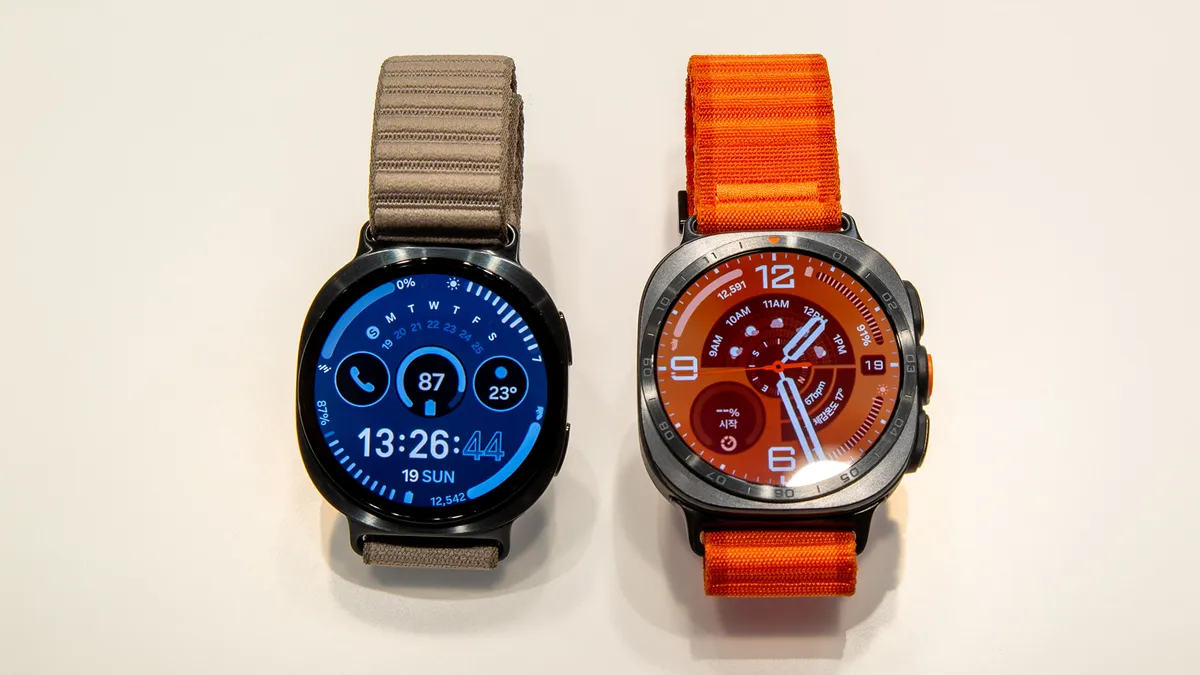
Samsung has unveiled the Galaxy Watch 9 and Galaxy Watch Ultra 2, using this year’s Galaxy Unpacked event to place AI-powered health tracking at the heart of its wearable strategy.
Both smartwatches introduce Qualcomm’s Snapdragon Wear Elite processor, larger batteries and a collection of new wellness features, although their outward appearance will look familiar to anyone who used last year’s models. Instead of pursuing a dramatic redesign, Samsung has concentrated on making health data more useful through AI while refining battery life and everyday performance.
Anyone placing the Galaxy Watch 9 beside its predecessor would struggle to spot major visual differences. Samsung has retained the same circular design in 40mm and 44mm sizes, choosing to invest in internal improvements rather than altering a design that has already become familiar to Galaxy Watch users.
The smartwatch is powered by Qualcomm’s Snapdragon Wear Elite chipset, which is designed to deliver smoother performance while improving power efficiency. Samsung has also increased battery capacity, particularly on the 40mm model, making battery life one of the headline improvements for this generation. The refreshed colour options and redesigned straps provide subtle cosmetic updates, but the display, sensors and overall construction remain largely unchanged.

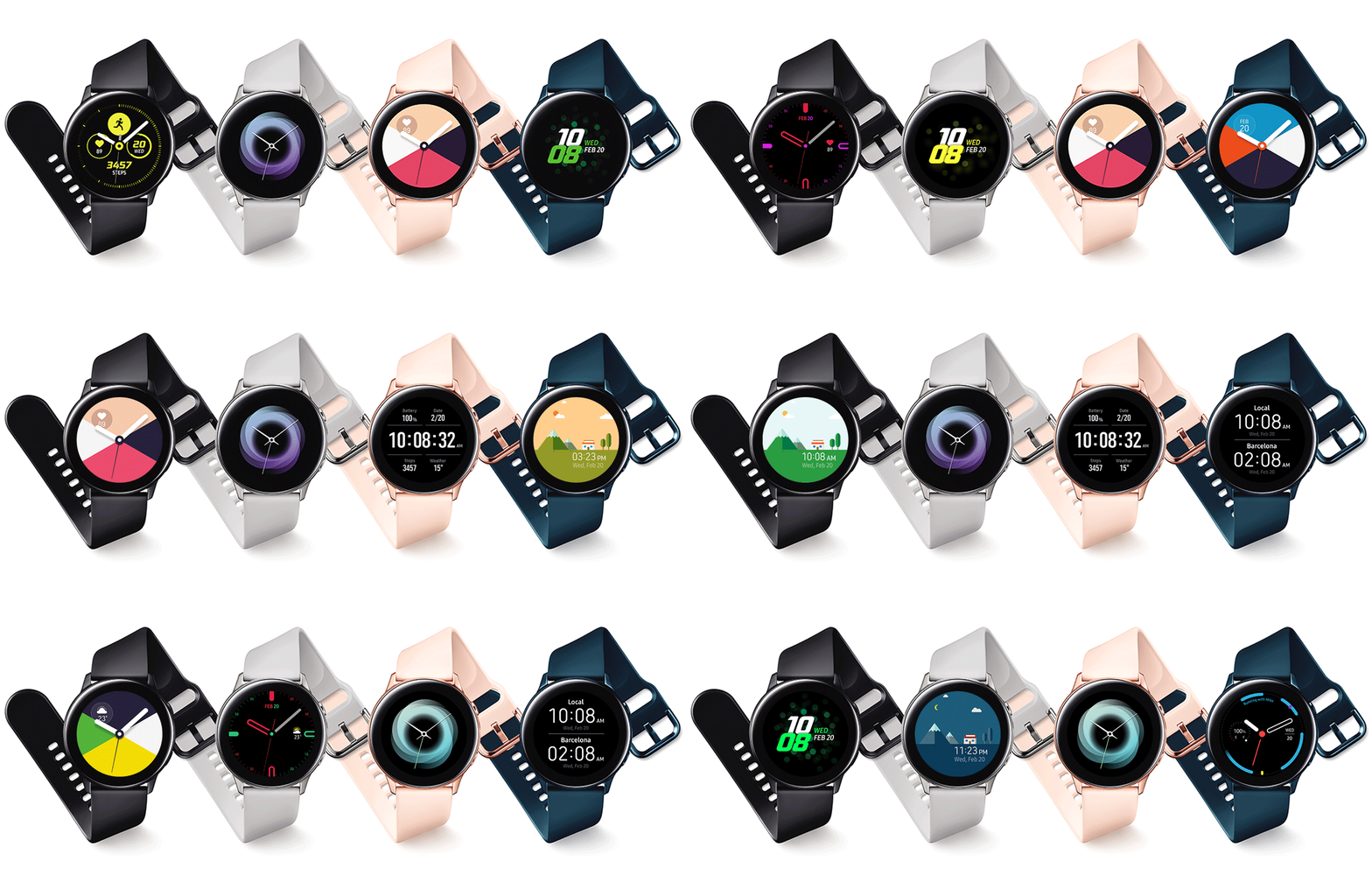
That restrained approach reflects a product line that has already settled into its design language. Rather than asking existing users to adapt to a new look, Samsung is betting that better endurance and smarter software will prove more valuable over months of daily use than a completely new chassis.
The most significant updates arrive through Samsung Health, an area Samsung returned to repeatedly throughout its Galaxy Unpacked presentation. Much of the Watch 9 segment was led by Sharanya Desai, the company’s Head of Digital Health Algorithms, who spent more time explaining how AI interprets biometric data than discussing hardware specifications. The presentation made it clear that Samsung sees health software as the defining feature of its latest smartwatch generation.
Among the headline additions is Vitals, which establishes a personal baseline after several nights of sleep by analysing heart rate, heart rate variability, respiratory rate, skin temperature and blood oxygen measurements. Samsung has also introduced Heart Health Score, Daily Cardio Load, Fitness Index, AI-generated coaching recommendations and Raise to Talk with Gemini, bringing together a collection of tools intended to make health information easier to understand instead of leaving users to interpret individual metrics on their own.
That emphasis extends beyond the launch presentation. Across Samsung’s product messaging, the Galaxy Watch 9 is consistently presented as a wellness companion designed to help users build healthier habits through continuous monitoring. The company’s focus has moved beyond collecting health data; the larger goal is helping people understand what those measurements mean and when they may need to change their routines.
While the Galaxy Watch 9 is largely an exercise in refinement, the Galaxy Watch Ultra 2 delivers the more noticeable hardware upgrades. Samsung has equipped its flagship wearable with an 800mAh battery, a body that is 12% thinner than the previous model and a display capable of reaching up to 5,000 nits of peak brightness for improved visibility outdoors.
The Ultra 2 also introduces GPX route navigation for trail running, hydration guidance and diving support developed through Samsung’s partnership with Mares. Like the Galaxy Watch 9, it runs on the Snapdragon Wear Elite processor and includes the same AI-powered health platform, but the additional outdoor features make it the more specialised device in Samsung’s lineup.
That approach has already sparked discussion among reviewers. Android Police argued that Samsung has doubled down on AI-powered health software at a time when some competitors are attracting attention with lighter, screenless wearables such as smart rings and dedicated fitness trackers. The publication questioned whether the company is placing its biggest bet on the traditional smartwatch form factor just as parts of the market are exploring less intrusive ways to monitor health.
At the same time, smartwatches continue to offer advantages that screenless devices cannot easily replace. Notifications, messaging, navigation, workout controls and instant access to health information remain central to the smartwatch experience, giving users information at a glance without requiring them to reach for their phones.
Samsung has opened pre-orders for the Galaxy Watch 9 and Galaxy Watch Ultra 2 following their launch at Galaxy Unpacked 2026. While Samsung Kenya has yet to announce local pricing or a release date, the new smartwatches are expected to arrive after the initial global rollout.
The Galaxy Watch 9 starts at $379, which converts to roughly KSh49,300, while the larger 44mm version starts at $459, or approximately KSh59,700. The Galaxy Watch Ultra 2 carries a starting price of $699, equivalent to about KSh90,900 based on an exchange rate of around KSh130 to the US dollar. Official Kenyan retail prices are likely to be higher once taxes, import duties and local distribution costs are included.
Samsung is also offering pre-order incentives in selected markets, including trade-in offers and promotional credits, although the company has not confirmed whether those promotions will be available in Kenya.
Whether you should upgrade depends largely on which Galaxy Watch you already own. Users moving from older models will notice the combined benefits of improved battery life, faster performance and Samsung’s expanded health platform, making the Galaxy Watch 9 a worthwhile upgrade for those who want the latest wellness features. Owners of the Galaxy Watch 8 may see the equation differently because the overall experience remains familiar despite the internal improvements. Early hands-on impressions describe the Watch 9 as an evolutionary update rather than a complete overhaul, with most of the value coming from software, battery life and AI-powered health insights rather than an entirely new design.
Samsung’s latest smartwatch lineup makes one point unmistakably clear: the company believes the next stage of wearable innovation will be driven as much by software as hardware. The Galaxy Watch 9 refines the everyday smartwatch experience through longer battery life and AI-assisted health insights, while the Galaxy Watch Ultra 2 caters to users who spend more time outdoors and want additional performance headroom. Whether that strategy proves successful will become clearer as smart rings, screenless fitness trackers and traditional smartwatches continue to compete for the attention of health-conscious consumers, but Samsung has made its priorities clear with this generation.
Download the free Kaspersky SMB Cybersecurity Guide here to learn how businesses can move beyond traditional antivirus and build a more resilient approach to cybersecurity.