Airtel Money IPO Returns With London Listing as Africa Fintech Business Targets $10 Billion Valuation

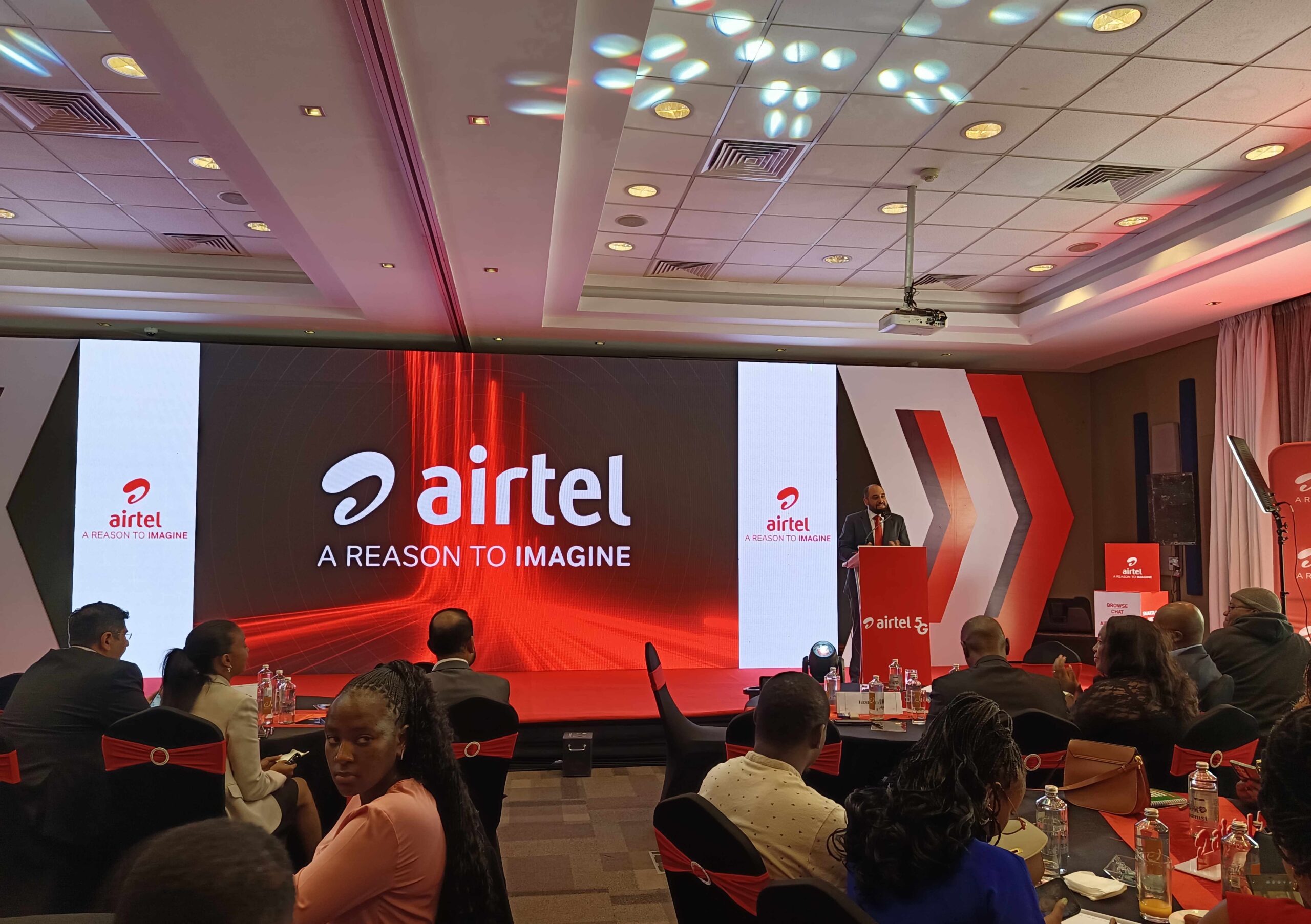
Airtel Money’s renewed IPO plans have returned the company’s fast-growing fintech business to the spotlight, this time with London emerging as the preferred listing venue after months of delays.
According to reports, the mobile money unit could be valued at about $10 billion, with the offering expected to raise roughly $1.5 billion if it proceeds. The revived listing comes as Airtel Money expands its customer base, grows transaction volumes and cements its place as one of Africa’s largest digital financial services platforms.
The latest development marks a notable change from earlier plans. Airtel Africa had originally targeted a public listing by 2025 before pushing the timeline into 2026. In May, the company attributed the delay to difficult market conditions. Reports now indicate geopolitical tensions in the Middle East also influenced both the timing of the offering and the decision to favour London over alternative exchanges.
Citigroup is leading the syndicate for the planned flotation, with Airtel Africa reportedly bringing in additional investment banks as preparations gather pace. If completed at the reported valuation, the transaction would rank among London’s largest public listings in recent years and stand out as one of the biggest fintech offerings to emerge from Africa.

The choice of London reflects more than geography. The city continues to attract large international institutional investors and offers deeper pools of capital than many competing exchanges. For Airtel Africa, whose operations span 14 African markets, access to global investors could provide a stronger platform for financing future expansion while giving the mobile money business its own valuation independent of the wider telecommunications group.
Separating Airtel Money from the core telecom operation has been part of Airtel Africa’s long-term strategy. A standalone listing would allow investors to value the digital finance business on its own fundamentals rather than as one segment within a broader telecommunications company.

The IPO also arrives after Bharti Airtel strengthened its ownership of Airtel Africa through an internal share transaction, reinforcing Africa’s importance within the Indian telecom group’s long-term business strategy.
The case for a separate listing rests on the pace at which Airtel Money has grown over the past few years.
What began as a complementary financial service has developed into one of Airtel Africa’s strongest earnings engines. The business now serves more than 54 million customers across the continent and generated approximately $1.35 billion in revenue during the latest financial year. Earlier financial results also showed annualised transaction values exceeding $210 billion, highlighting the scale of payments flowing through the platform.
Unlike traditional telecom services that rely heavily on continuous network investment, mobile money generates revenue from payments, transfers, merchant services and digital financial products. That has made fintech one of Airtel Africa’s fastest-growing business lines alongside mobile data.
The company’s wider telecom business has also continued to expand. Airtel Africa serves nearly 180 million mobile subscribers across its markets, giving Airtel Money access to one of the continent’s largest mobile customer bases.
Kenya forms part of that broader growth story. Communications Authority data shows Airtel Kenya continues to add both mobile subscribers and Airtel Money customers, although Safaricom remains the dominant operator in the country’s mobile and mobile money markets. Even so, Kenya remains strategically important because it is one of Africa’s most mature digital payments markets, providing Airtel with a testing ground for new financial products and services.
The renewed IPO therefore reflects more than fundraising. It highlights how mobile money has become a core business in its own right, with investors now placing significant value on African digital payments platforms alongside traditional telecommunications infrastructure.
Download the free Kaspersky SMB Cybersecurity Guide here to learn how businesses can move beyond traditional antivirus and build a more resilient approach to cybersecurity.