
Managing multiple stores without losing sight of sales: How Sandstorm uses LOOP Biz


Running a retail business across several outlets involves more than keeping shelves stocked and serving customers. Each location generates its own sales records, payment activity and operational information. When those records sit in different places, getting a complete picture of the business can take time.
For a retailer with several stores, the challenge extends beyond the checkout counter. Management needs to understand how each outlet is performing, which payment channels customers are using and how information reaches the finance team.
Sandstorm, a Kenyan leather and canvas bag brand, has been using LOOP Biz as part of its effort to bring more of this activity together. The business operates six retail outlets in Nairobi, alongside its e-commerce and business-to-business operations.
Sandstorm’s Head of Commercial, Ann Ngina offered a view of the operational questions that arise when a retailer manages several outlets and payment channels.


Managing payments across several stores
Before using LOOP, Sandstorm relied on three separate machines and handled M-Pesa and bank transactions separately.
That arrangement meant payment information was spread across different channels. The finance team had primary access to statements, while obtaining a wider view of store activity required information to be brought together.
For a business operating six outlets, access to consistent sales information can support decisions across the organisation. Management may need to compare outlet performance, review payment activity and follow up on transactions without depending on separate records from each location.
The challenge is familiar to retailers whose operations have expanded beyond one shop. Processes that work when an owner handles every transaction can become harder to maintain as more employees, outlets and payment methods are introduced.
A more accessible view of store activity
Ngina said that she could use her phone to view sales across Sandstorm’s stores and see the payment channels involved.
That access gives management another way to follow business activity without relying entirely on information held by the finance team. It can also help managers review what is happening across outlets while away from a particular store.
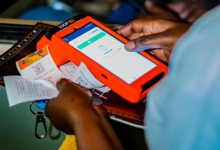
The LOOP Biz platform brings merchant payment activity into a shared business environment. Its PDQ supports card payments, including Visa and Mastercard, as well as M-Pesa Till and Paybill, M-Pesa STK push and LOOP STK push.
For a retailer, supporting different payment preferences can make the checkout process more convenient. The PDQ allows a cashier to enter the amount, after which the customer can pay using an accepted method. For M-Pesa STK push, the customer receives a prompt on their phone and approves the payment using their PIN.
The system also gives authorised users access to relevant business information, with staff permissions intended to help owners define what employees can view or do.
Giving staff access according to their roles
As a business grows, the owner may need employees to handle everyday tasks without giving everyone access to the same information.
A store employee may need to process payments, while a manager may need a broader view of store activity. Finance staff may have separate responsibilities involving statements and reconciliation.
LOOP Biz includes staff roles and permissions that allow businesses to assign access according to responsibilities. For a retailer with multiple outlets, that can help establish a more structured approach to handling business information.
The benefit depends on how the business configures and manages access. Owners still need to review permissions, ensure staff understand their responsibilities and maintain appropriate oversight of transactions.
What the checkout experience looks like
Ngina also said that checkout could take around five seconds when using the system.
For Sandstorm, the broader operational question is how payment acceptance and access to sales information fit into the work of managing several stores. A payment device can handle the customer-facing transaction, while the connected platform can give authorised staff and management a view of business activity.
What retailers should consider before adopting a shared system
Sandstorm’s experience points to several questions other multi-outlet retailers may want to consider.
First, businesses should examine how many payment channels they currently manage and where transaction records are held. A system that brings information together may reduce the work involved in checking separate records, but merchants should establish which channels are supported and how reporting works.
Second, they should consider who needs access to sales information. Owners, managers and finance teams may have different responsibilities, and staff permissions should reflect those differences.
Finally, businesses should assess how the platform fits into their wider operations.
For a retailer operating across six locations, having a more accessible view of store sales and payment channels can support day-to-day oversight. Sandstorm’s reported experience provides an example of how a business can approach that challenge using LOOP Biz, while its wider results will need to be assessed through the operational data and experience of the company itself.
Go to TECHTRENDSKE.co.ke for more tech and business news from the African continent and across the world.
Follow us on WhatsApp, Telegram, Twitter, and Facebook, or subscribe to our weekly newsletter to ensure you don’t miss out on any future updates. Send tips to editorial@techtrendsmedia.co.ke

