
How has AI brought new types of business surrounding sports viewing and practicing?

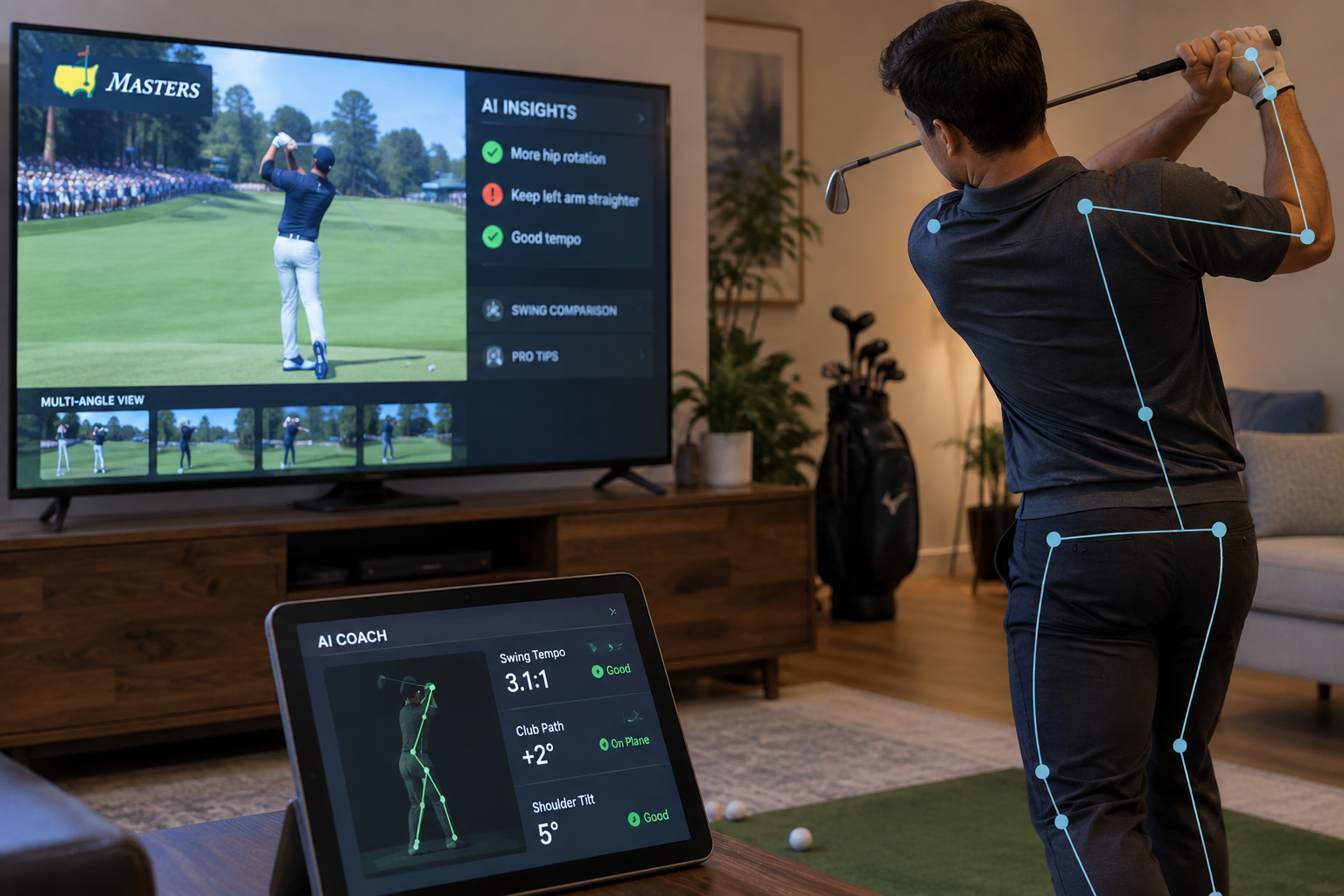
The use of AI in sports is flourishing, and with good reason. AI is changing the way teams train and coach, the way athletes practice and prepare, and the way fans consume and engage with sporting events.
Its impact goes well beyond the pitch, it’s about the way the game is run as a business. The evolution of in-game performance analysis, fan engagement and entertainment, fantasy sports and betting all now rely on AI to some degree, and that is changing the way sports businesses operate and make money.
On the field: AI for enhancing athlete performance and strategy
One proven use is athlete monitoring. Firms like Catapult and WHOOP make wearables that gather physiological and movement data to help coaches understand the physical demands.
Machine-learning systems analyse these measurements to identify workload patterns and possible warning signs. Coaches may be able to modify the training and recovery and lessen unnecessary strain. While these tools cannot predict all injuries, they do provide evidence to help make decisions around coaching.



Video analysis is another ever expanding market. Platforms such as Hudl and Catapult allow teams to watch videos, analyze movement and explore tactics. In football, coaches have the ability to look at defensive positioning, pressing and passing combination etc. This facilitates opposition scouting and helps in identifying the weaknesses by the technical teams.
It’s important for professional teams to combine data with coaching decisions, athlete context, and competitive requirements. This generates a need for software and expert services, not just data collection.
Demand has created businesses selling monitoring equipment, analytics subscriptions, specialist software and sports-science consultancy. Providers can generate repeat revenue by offering clubs, academies and federations platforms that translate complex information into actionable recommendations.
For the fans: How AI is revolutionizing the sports viewing experience
AI is also transforming what happens after the match is broadcast. Automated systems are able to capture and follow sporting action. Computer vision has made it easier to identify significant moments in games. Companies like Pixellot have automated solutions for sports production and allow organizations to automate the process of recording and live streaming matches.
For grassroots football and basketball, this development is particularly significant. Smaller clubs can now extend their reach and help improve player development and recruitment. With automated highlights, broadcasters can create more content at a similar cost.
Media platforms with AI also personalise content. AI is used by WSC Sports to detect sporting moments and create video highlights for digital broadcast. Viewing preferences can be used to suggest matches, players and analysis for streaming services and sports apps.
There is also an opportunity for augmented reality (AR). Player statistics, formations and comparisons can be shown during games. Media companies can monetise them by advertising and premium analysis and tailor subscriptions.
Broadcasters can edit an event into different segments for social media, tactical replays for analysts and individualised recaps for fans who didn’t watch the game. These formats give footage the power to last beyond platforms and time zones.
The Business of Sport: AI-Powered Fan Engagement and Monetization
“Fan engagement” is getting quantifiable. In addition to tickets, sponsorships, broadcasting rights, clubs engage with their target audience through apps, loyalty schemes, memberships and personalised content. AI can be used to help organisations get to know their supporters and adjust the services they offer based on these indicators.
AI in fantasy sports and betting analytics
In the context of fantasy sports and betting, it’s easy to see how data analysis can be transformed into a consumer product. Using past outcomes, player data, team form, injuries, and real-time updates, AI models can provide a range of predictions. When picking teams, fantasy players can compare projections, and bettors can use statistical tools when evaluating markets.
Analytics businesses sell subscriptions, dashboards, forecasts, data feeds. Their selling point is that they can provide quicker analysis, and that they can make sense of larger quantities of data, but of course predictions are never guaranteed. Sophisticated models can be undermined by unexpected events, incomplete information and sporting uncertainty. Trust is built on data quality, open processes and clear communication of uncertainty.
For those who wish to take these AI-powered insights into action, some may look into a Premierbet bonus when considering a betting site. Promotions are independent of predictive technology and must be verified with the operator’s terms, eligibility and local rules. AI can’t eliminate the financial risks associated with betting or guarantee a win.
Personalized marketing and smart venues
Clubs study ticket sales, the interests of merchandise and digital interactions to adjust campaigns accordingly.
Smart venues include connected ticketing, apps and sensors to help understand how crowds are moving, provide queue information and enhance services. Personalised offers on food and merchandise and seat upgrades can generate revenue, as long as the fan is in control of their information.
Mobile first services in African markets can be a means to engage with fans who might not be frequent stadium goers. Affordable streaming and data tools allow local leagues, broadcasters, and sponsors to target audiences internationally. Constraints include connectivity, payment access and investment.
Looking ahead: The next frontier for AI in the sports industry
The future of AI could offer improved support for referees and interactive, immersive training experiences. Computer vision is already implemented in the goal-line system and video review. Future tools can support the consistent assessment of complex incidents, but human accountability will remain important.
Virtual reality (VR) could allow remote supporters a simulated courtside or pitch-side experience at matches.
Progress brings responsibilities. Biometrics and health details of athletes should be safeguarded, and fan information should be handled transparently. In Kenya, the Data Protection Act 2019 gives a framework for personal information including delicate biometric and wellbeing data. Sports organisations and technology providers must have a legitimate purpose and proper protection.
The real value of AI will be realized when it enhances human capabilities, safeguards users, and expands access. It is creating new businesses around the way people practise, watch, and participate by linking training, broadcasting and fan engagement.
Visit TECHTRENDSKE.co.ke for more tech and business news from across Africa and the world.
Follow us on WhatsApp, Telegram, Twitter, and Facebook, or subscribe to our weekly newsletter so you don’t miss future updates. Send tips to info@techtrendsmedia.co.ke

