Daniel Mainga outlines NIFCA’s $250 million technology and AI investment ambition for Africa

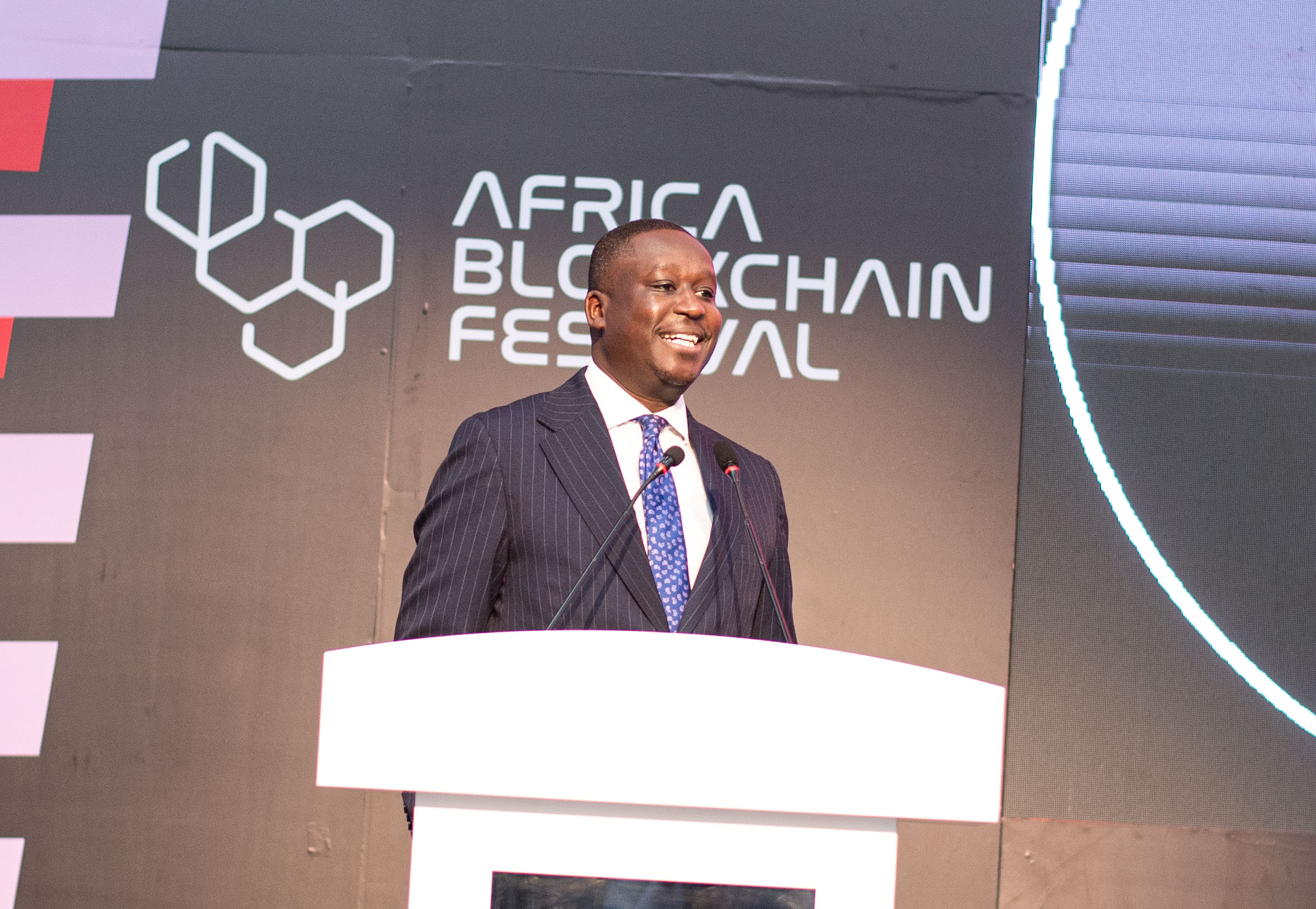
The Nairobi International Financial Centre (NIFCA) is working to establish a $250 million technology and AI fund to invest in startups and companies in Kenya and across Africa, CEO Daniel Mainga told delegates at the Africa Blockchain Festival 2026 in Nairobi.
Mainga announced the initiative during his opening address, placing technology investment within a broader discussion about Africa’s ability to finance its own innovation and retain more of the economic value created by digital businesses. He said the fund was being targeted for establishment between now and next year, with an investment focus spanning Kenya and the wider continent.
The proposed fund, which Mainga valued at approximately KSh35 billion, formed part of his argument that Africa’s technology ambitions must be matched by capital capable of supporting businesses as they grow. He challenged founders, investors and public officials to consider who owns the companies being built, where they raise money and who ultimately benefits from the value their innovations create.
NIFCA targets investment in Kenya and across Africa
Mainga’s announcement came as the festival brought together technology founders, investors, policymakers and financial services executives to discuss the relationship between capital, blockchain, artificial intelligence and Africa’s digital economy.


He said Kenya had already changed how the world moves money through M-PESA, but questioned whether the country had done enough to change who owns capital and benefits from the value created by that innovation.
The challenge, according to Mainga, is that African businesses often have to move their financial centre of gravity abroad when seeking substantial investment. He argued that the continent’s capacity to develop technology must be matched by stronger access to capital that can support companies locally and across African markets.

The proposed $250 million fund would give NIFCA a role in directing investment towards technology and AI businesses. Mainga framed the initiative as part of a wider effort to ensure that African companies can develop products, expand their operations and build businesses that respond to the needs of local markets.
His address also emphasised the importance of practical outcomes. Mainga cautioned that a token does not automatically constitute an investment and that a digital platform does not automatically deliver financial inclusion. He said technology should be judged by whether it solves real problems for ordinary people, businesses and countries.
Mainga challenges Africa’s approach to technology capital
The proposed fund was one part of a broader argument about the relationship between innovation and ownership.
Mainga challenged African founders and investors to look beyond the development of technology itself and consider the financial structures supporting it. For him, the question was whether the value generated by African innovation could remain connected to the continent rather than depending on capital markets and financial centres elsewhere.
He also called on investors to provide patient capital, giving businesses room to build products and serve customers over time. Founders, meanwhile, were challenged to focus on solutions that produce tangible economic benefits rather than treating technology adoption as an end in itself.
That emphasis echoed a concern raised during the opening session by Kevin Wambua of the University of Nairobi, who questioned how decentralised finance could become the future while founders continued to seek capital in places such as Singapore and London.
Another audience contribution called on developers to build structures that benefit local farmers, traders and ordinary citizens across Africa.
The discussion connected the fund announcement to the festival’s broader focus on capital, code and continuity. Investment, technology development and accountability were presented as linked questions, particularly for companies seeking to serve markets where access to financing remains a central concern for entrepreneurs.
Kenya’s digital finance framework takes shape
Mainga also outlined the policy environment supporting Kenya’s approach to digital finance and emerging technology.
He pointed to the Virtual Asset Service Providers Act 2025 and the gazetted VASP Regulations 2026, under the oversight of the Central Bank of Kenya and the Capital Markets Authority. He also cited changes under the Finance Act 2025, which replaced the digital asset tax with an excise duty on fees charged for virtual asset transactions.
Artificial intelligence was another part of the policy framework he highlighted, with Mainga pointing to Kenya’s National Artificial Intelligence Strategy 2025–2030.
He presented these measures as part of an approach that welcomes innovation while requiring trust and discipline. His message to the industry was that technology companies need an environment in which innovation can develop alongside clear rules and accountability.
For companies working in blockchain and AI, the relationship between regulation and investment was a recurring subject at the festival. The discussions connected capital availability to the conditions under which businesses can operate, build trust and serve customers across different markets.
Mainga calls for patient capital and practical innovation
Mainga’s central challenge to the industry was to connect technology investment with measurable benefits for African economies.
He called on founders to build products that solve real problems, investors to provide patient capital and public officials to regulate clearly. Those responsibilities, he argued, must work together if African technology businesses are to deliver value beyond the development of new platforms.
The proposed $250 million technology and AI fund placed that argument against a specific investment ambition. Rather than discussing financing only as a general constraint, Mainga pointed to an initiative intended to direct capital towards companies operating in Kenya and across the continent.
The announcement also brought the question of ownership into the festival’s opening debate. For Mainga, the next stage of African digital finance must consider not only what technology can do, but also who finances it, who owns the businesses built around it and who benefits from their success.
Go to TECHTRENDSKE.co.ke for more tech and business news from the African continent and across the world.
Follow us on WhatsApp, Telegram, Twitter, and Facebook, or subscribe to our weekly newsletter to ensure you don’t miss out on any future updates. Send tips to editorial@techtrendsmedia.co.ke


