
Samsung Galaxy A58 may keep familiar cameras as the A38 gains an ultrawide upgrade

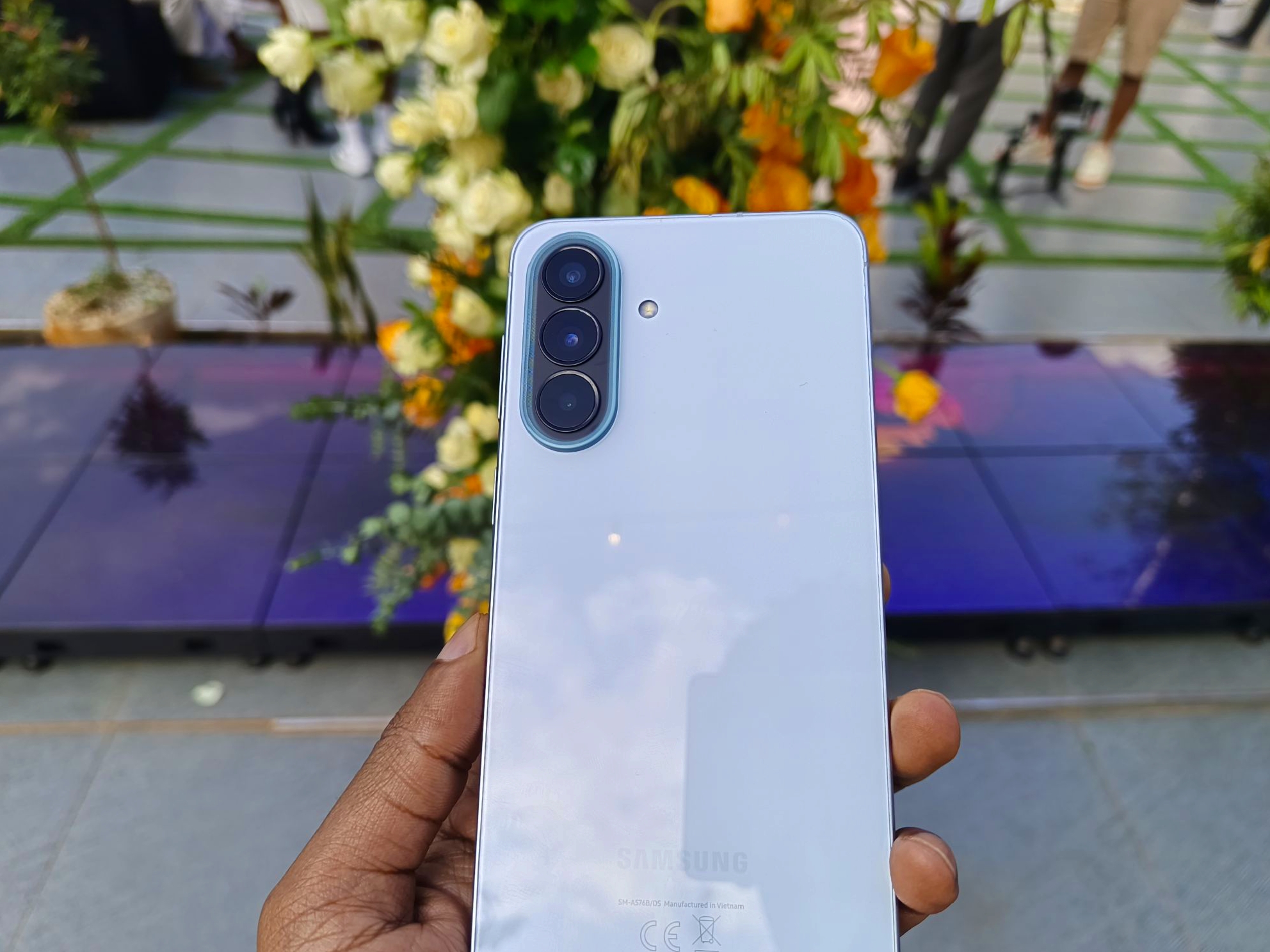
Samsung Galaxy A38 and A58 camera leaks suggest the company’s next midrange smartphones could take different approaches to imaging upgrades.
The Galaxy A58 is tipped to retain the same camera resolutions as the Galaxy A57, while the Galaxy A38 could introduce a 12MP ultrawide camera, up from the 8MP unit in the Galaxy A37.
The A58 is reportedly expected to arrive in March or April 2027.
What the Galaxy A38 and A58 camera leaks reveal
According to the reports, the Galaxy A58 will feature a 50MP main camera, a 12MP ultrawide camera, a 5MP macro camera and a 12MP front-facing camera. Those figures match the Galaxy A57’s advertised camera resolutions. Samsung could retain the same configuration while improving image processing or using different sensors, although matching resolutions alone do not establish whether the finished phone will deliver better photographs.


The Galaxy A38 is tipped to use the same 50MP main, 5MP macro and 12MP selfie camera resolutions as the Galaxy A37, alongside a 12MP ultrawide camera. That last component would be a notable change from the A37, which has an 8MP ultrawide sensor. The distinction matters because the two phones occupy different positions within Samsung’s midrange portfolio, where camera hardware helps separate more affordable models from their higher-priced siblings.
Why the Galaxy A57 review changes the picture
The Galaxy A57 provides a useful reference point for assessing the A58 leak. The phone delivered improved main-camera results compared with its predecessor, including sharper images, better facial detail and strong dynamic range in daylight, despite retaining the same headline camera resolutions as the Galaxy A56. This illustrates how image processing can improve photos without a change in megapixel count.

The results were not uniformly strong. The A57’s camera system showed weaknesses in some full-resolution images, portrait subject detection and ultrawide photography in low light. Better low-light processing, more consistent portrait results and improved ultrawide performance would offer practical benefits to users taking photographs in varied conditions. These are areas where Samsung could improve the A58’s camera experience even if its advertised resolutions remain unchanged.
The A57 also uses the Exynos 1680 processor, compared with the Exynos 1480 in the Galaxy A37. Both phones have 5,000mAh batteries and support 45W charging, while their displays share a 6.7-inch, 120Hz Full HD+ Super AMOLED specification. These similarities show how Samsung can differentiate models through processing power and other hardware choices even when some headline specifications overlap.
The Galaxy A38 could address an ultrawide camera weakness
The Galaxy A37’s camera performance makes the reported A38 upgrade particularly relevant. Its main camera captures good detail, convincing skin tones and strong dynamic range, including in low-light conditions. The ultrawide camera is less impressive, producing softer images and struggling in darker scenes. The 5MP macro camera also offers limited practical value compared with using the main camera’s 2x zoom in some situations.
Moving from an 8MP to a 12MP ultrawide camera could give the A38 more room to capture detail, particularly in daylight. However, resolution is only one part of the equation. Sensor size, lens quality, autofocus, distortion correction and image processing all influence the final photograph, so the upgrade’s value will depend on how the camera performs in real-world use.
The main camera could remain at 50MP without preventing improvements elsewhere in the imaging system. Samsung could also refine colour reproduction, exposure and noise reduction through software. For buyers, the more meaningful question will be whether the phone produces better photographs across everyday scenarios rather than whether its specification sheet contains larger numbers.
Current Kenyan prices put the upgrade question in perspective
The current Samsung Brand Store listings place the Galaxy A57 5G at KSh 55,900 for the 128GB model and KSh 65,900 for the 256GB version. The Galaxy A37 5G costs KSh 43,900 for 128GB and KSh 54,900 for 256GB, leaving a difference of KSh 12,000 between the entry configurations and KSh 11,000 between the higher-storage models.
That gap reflects Samsung’s tiered approach to its midrange phones. The A57 offers a more capable processor, a 12MP ultrawide camera compared with the A37’s 8MP unit, and additional creator-focused software features. Both devices share a 50MP main camera, a 5MP macro camera, a 12MP selfie camera, a 5,000mAh battery and 45W charging.
For buyers comparing the two models, the decision depends on whether the A57’s additional capabilities justify the higher upfront cost. The A37 covers everyday photography and general smartphone use, while the A57 offers more processing capacity and a higher-resolution ultrawide camera. The current prices make that distinction easier to evaluate, particularly for buyers choosing between storage configurations.
The same question will follow Samsung into its next generation. If the Galaxy A58 retains the A57’s camera resolutions, improvements to image processing, video recording or other hardware could help distinguish it from the current model. The Galaxy A38’s reported 12MP ultrawide camera could provide a more visible specification upgrade over the A37, although its real value will depend on image quality rather than resolution alone.
Software updates will shape the next Galaxy A series
The Galaxy A57 launched with Android 16 and One UI 8.5, but Samsung has since begun delivering One UI 9.0 to the phone in Kenya. An update notification shared in October 2026 confirms that the newer interface is available for the Kenyan Galaxy A57s, bringing updated Samsung app experiences and changes intended to make everyday tasks more intuitive.
The update is relevant to the Galaxy A58 rumours because it changes the software baseline against which Samsung’s next midrange phone will be judged. The A58 has been tipped to arrive with Android 17 and One UI 9.5 in March or April 2027, although Samsung has not confirmed those details. If that timeline holds, the newer model’s advantages will need to extend beyond simply running a more recent version of One UI.
Software support also matters to buyers planning to keep their phones for several years. Camera processing, AI-assisted editing, system optimisation and security updates can influence the experience even when the underlying hardware changes only modestly.
Battery endurance and display quality will remain important alongside software changes. The Galaxy A57 recorded an Active Use Rating of 13 hours and 59 minutes in testing, showing that its 5,000mAh battery can deliver competitive endurance without a capacity increase. Improvements in processor efficiency and power management could provide a practical upgrade in the next generation without requiring Samsung to fit a larger battery.
What the next Galaxy A series needs to deliver
For Samsung, the next A-series generation presents an opportunity to make improvements that users can see in daily use. The A58 could benefit from better ultrawide photography, more consistent portrait processing and improved video capabilities, while the A38’s reported ultrawide resolution increase could address a specific weakness identified in the A37. Both phones would also benefit from competitive performance, reliable battery endurance and displays that hold up against similarly priced alternatives.
Kenyan buyers will have another consideration: the overall cost of ownership. Purchase price, repair expenses, software support and access to authorised servicing all influence the value of a phone over several years. Samsung’s Care+ screen-repair programme in East Africa is one example of how after-sales services form part of that equation alongside hardware specifications.
The A38 and A58 leaks offer an early look at Samsung’s possible priorities for 2027. The A58 appears set to build on an existing camera configuration, while the A38 could receive a more visible ultrawide upgrade. Their appeal will depend on whether those changes translate into better photography and a stronger overall experience at prices that remain competitive in the midrange market.
Real ESG impact doesn’t happen in panels alone, it happens in the rooms where financiers, operators, and policymakers actually align. Our GreenShift Forum 2026 cuts the noise, bringing together the people rewiring Africa’s sustainability and energy frameworks for one focused day in Nairobi. Secure your seat.
Go to TECHTRENDSKE.co.ke for more tech and business news from the African continent and across the world.
Follow us on WhatsApp, Telegram, Twitter, and Facebook, or subscribe to our weekly newsletter to ensure you don’t miss out on any future updates. Send tips to editorial@techtrendsmedia.co.ke


