
Equity’s SME Health Plan targets the medical cover gap facing small businesses

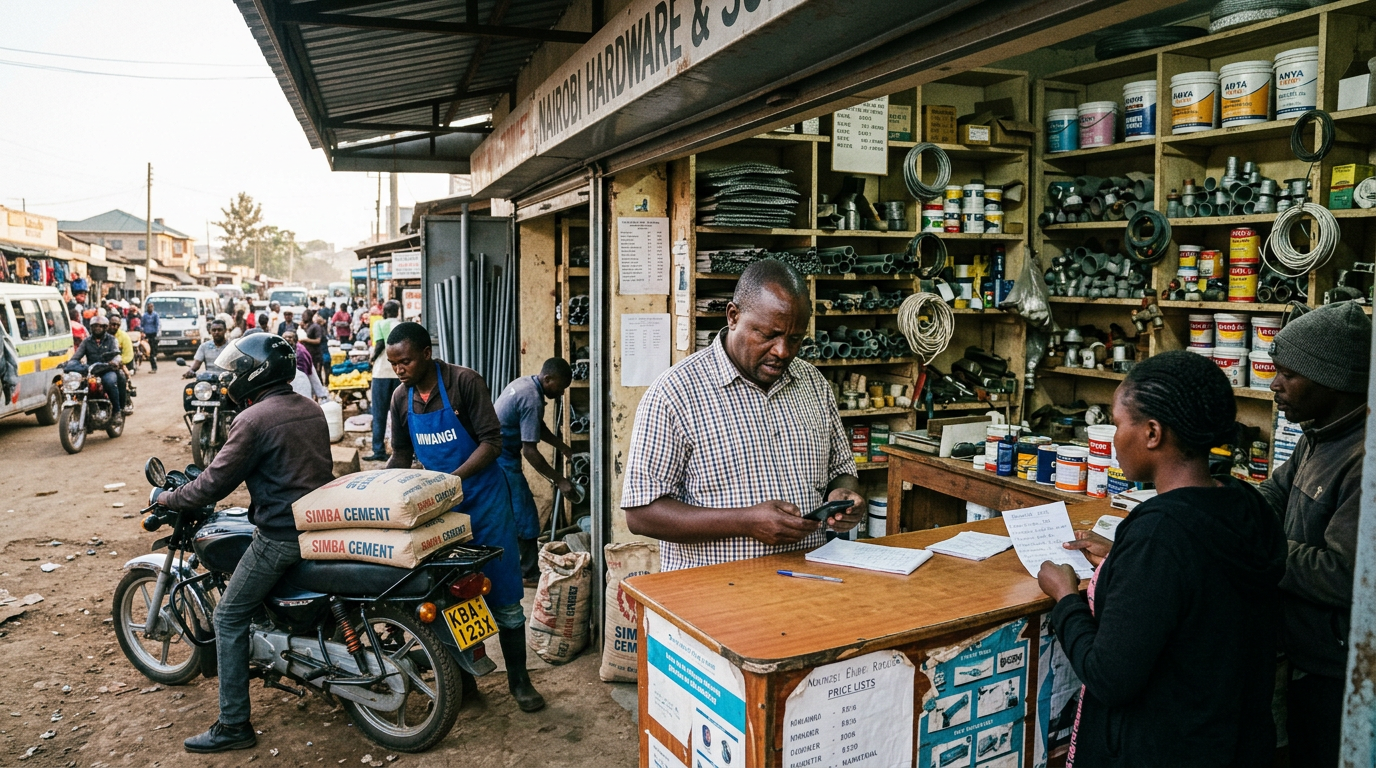
For many small businesses in Kenya, providing medical insurance for employees is difficult to sustain. Unlike large companies with established human resource departments and sizeable benefits budgets, small enterprises often operate with limited cash flow, making formal health cover harder to arrange.
The challenge extends beyond registered businesses. Chamas, SACCOs, community organisations and other informal groups also have members who need access to medical services but may not have employer-sponsored insurance. When a member or employee falls ill, the resulting medical expenses can put pressure on household finances and business operations.
Equity Insurance Group is targeting this market through its SME Health Plan, which provides group medical cover for smaller organisations. The product is designed to give businesses and organised groups a way to arrange medical protection without having to operate the kind of benefits structure commonly found in larger employers.
The plan is available to companies with at least three employees. Its benefits include medical cover for employees and eligible dependants, with no co-payment on covered services. The product also provides access to a network of healthcare providers, including Equity Afya facilities, as well as emergency medical services.



For smaller employers, the group structure offers a way to organise medical cover for workers who might otherwise have to meet treatment costs individually. It also gives groups an option to arrange cover collectively rather than relying entirely on members’ personal resources.
Kenya’s insurance gap remains wide
The market opportunity is significant. The 2024 FinAccess Household Survey put access to insurance excluding NHIF at 6.3%, down from 6.9% in 2021. When NHIF was included, insurance access stood at 22%, compared with 23.7% three years earlier.
Affordability remains a major obstacle. The survey found that 76.2% of respondents cited the cost of insurance as a barrier. For small businesses and informal groups, the challenge can include both the cost of premiums and the difficulty of identifying a suitable product.
The wider industry figures point to a market that is growing but still has room to reach more households and businesses. Insurance penetration in Kenya increased to 2.63% of GDP in 2025, from 2.45% in 2024, according to industry figures reported by the Insurance Regulatory Authority.
These figures measure different aspects of the market. Insurance penetration compares premiums with the size of the economy, while FinAccess measures access among households. Together, they illustrate the scale of the opportunity for insurers seeking to reach customers who remain outside formal insurance arrangements.
Equity’s insurance business records growth
Equity’s expansion into this market comes as its insurance business reports higher premiums and earnings. In its H1 2026 results, Equity Group reported gross written premiums of KSh6.4 billion for its insurance business, a 24% increase from the corresponding period in 2025.
The insurance business recorded profit before tax of KSh1.25 billion, up 34%. Its reported gross written premiums included KSh4.5 billion from life insurance, KSh1.2 billion from health insurance and KSh600 million from general insurance.
The figures provide a view of the wider insurance operation and should not be read as premiums generated by the SME Health Plan alone.
Equity also reported that 24,745 small and medium-sized enterprises were consuming its general insurance covers. This figure relates to general insurance products rather than enrolment in the SME Health Plan, but it demonstrates the group’s reach among businesses seeking protection against different operational risks.
The group said 79% of policies issued by its Insurance Group were distributed digitally. It also reported 22.6 million life insurance policies issued to date and 7.2 million unique customers consuming life insurance products.
For Equity, the figures point to an insurance operation using its distribution network and digital channels to reach customers across different segments. The SME Health Plan addresses one part of that market: employers and organised groups looking for a way to provide medical protection.
Understanding the cover before enrolling
The benefits of a group medical plan need to be considered alongside its terms, waiting periods and limits. Equity’s current SME Health Plan information specifies a 30-day waiting period for general illness, a three-month waiting period for pre-existing conditions and a 10-month waiting period for maternity benefits.
This means cover for pre-existing conditions is subject to the applicable waiting period rather than being available immediately upon enrolment. Businesses and group administrators should review the policy wording, benefit limits, exclusions and provider arrangements before selecting a plan.
The product information also provides for dependant cover and does not impose a limit on the number of children that can be covered, subject to the policy’s eligibility requirements. The plan is presented as having no maximum entry age, although customers should confirm the terms that apply to their particular membership and cover.
For small businesses, the decision to provide health insurance involves balancing the cost of premiums against the financial exposure employees face when they need treatment. Group cover can help organise that protection, but the benefits depend on the policy selected and the conditions attached to it.
Businesses and organised groups interested in the product can review the Equity SME Health Plan for details on eligibility, benefits and enrolment.
Go to TECHTRENDSKE.co.ke for more tech and business news from the African continent and across the world.
Follow us on WhatsApp, Telegram, Twitter, and Facebook, or subscribe to our weekly newsletter to ensure you don’t miss out on any future updates. Send tips to info@techtrendsmedia.co.ke

