
Vodacom, Fast Fibre push for wider East Africa digital reach

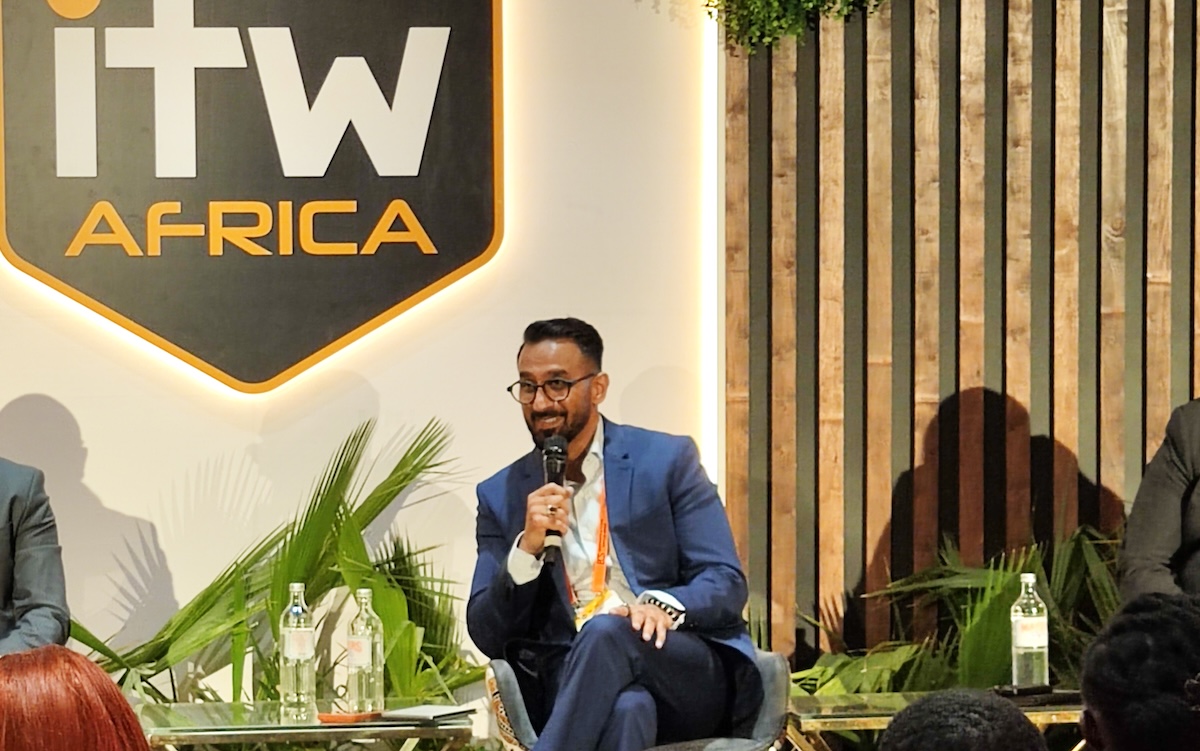
Vodacom Tanzania and Fast Fibre executives have called for closer regional coordination on regulation, tax and infrastructure investment to accelerate East Africa’s digital transformation.
Speaking at ITW & Datacloud Africa 2026 in Nairobi, the leaders said the conference reaffirmed its status as the continent’s premier platform for dialogue on connectivity, fibre, mobile, cloud, data centres, energy and regulation.
Aashiq Shariff, Managing Director at Fast Fibre, said Africa’s digital economy is expanding beyond its traditional commercial hubs.
With the National ICT Broadband Backbone (NICTBB) covering under 25,000 km, Shariff said there is scope for the Government of Tanzania “to democratize National long-distance fibre in order to ensure fixed connection to peri urban and rural areas across the country.”

He linked this to investment. “Investment flows where there are returns. In a global economy that is growingly shying away from multilateralism, regulators need to create environments that can attract and sustain investment,” Shariff said.
He added that bringing infrastructure closer to users reduces the distance data has to travel and improves service performance, a point he said matters more as cloud services, data-intensive applications and 5G expand into more markets.

On investment conditions, Shariff said greater regulatory harmonisation and better alignment of tax regimes would help reduce barriers to investment, allowing projects to move faster and businesses to gain access to better digital services sooner.
He said East Africa should increasingly be viewed “as one interconnected digital market rather than a collection of separate markets,” with infrastructure and regulatory frameworks reflecting the reality that data and business now move across borders.
“The opportunity before East Africa is not simply to build more infrastructure,” Shariff said. “It is to build the right infrastructure, in the right places, supported by the right investment environment.”
Andrew Lupembe, Network Director at Vodacom Tanzania, said connectivity “cannot simply be available; it must also be reliable, resilient and capable of withstanding disruption.”
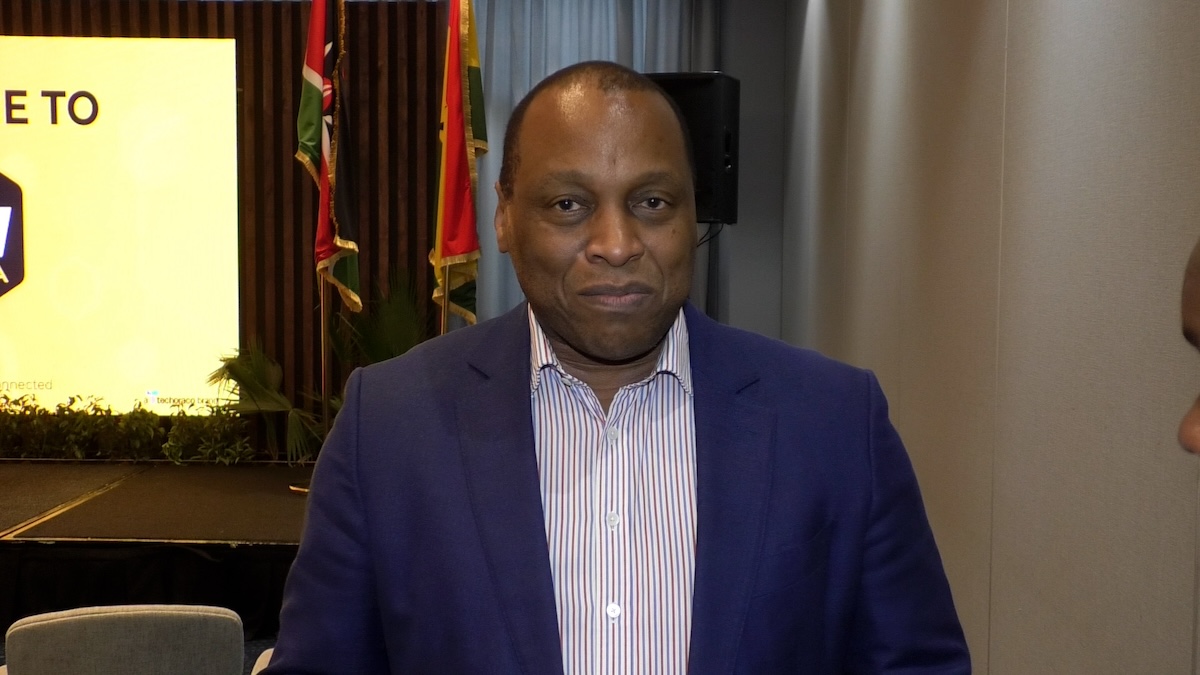
He said Vodacom Tanzania is entering the second phase of its network revitalisation programme, aimed at ensuring its base carries the latest technology with best-in-class quality of service.
Lupembe said broadband coverage in Tanzania stands at 94 percent, while smartphone penetration is at 44.7 percent, meaning the priority now is driving smartphone adoption to fully exploit infrastructure already deployed.
On data centres, he said building capacity across the continent is critically dependent on reliable, and specifically green, energy to reduce the sector’s carbon footprint.
“Energy, fibre, mobile networks, data centres, subsea cables and cloud infrastructure must work together to deliver the reliability that modern businesses and societies require,” Lupembe said, adding that governments have a role in creating a regulatory environment that can attract and sustain the global investment needed to match projected demand.
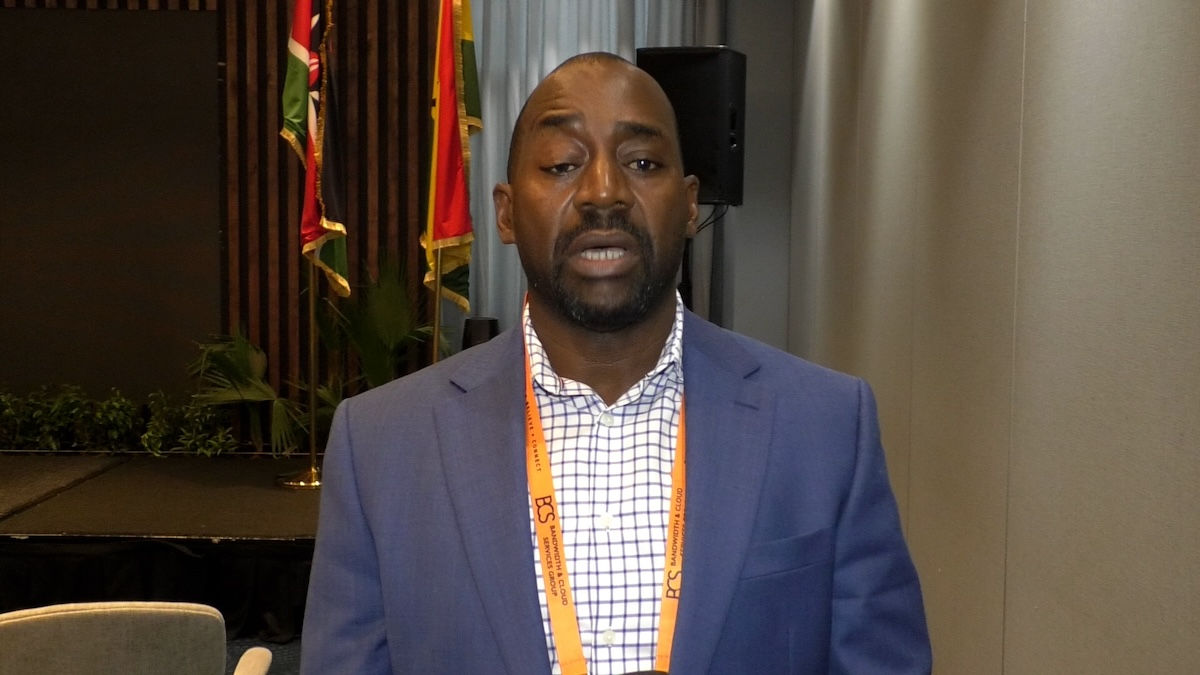
, said the conference arrived at an important moment for the continent, with Africa’s digital growth creating new opportunities for businesses, governments and communities.
“Connectivity is everything. It is the foundation of the digital transformation we are looking for across Africa,” Kamando said.
He added that connectivity alone is no longer the end goal, with cloud services, digital platforms, data-driven decision-making and AI-powered systems now a necessity rather than a luxury for enterprises competing domestically, regionally and globally.
“Our role is beyond connectivity, beyond infrastructure, and as we at Vodacom say, ‘More than a Network,’ driving development and enabling the digital economy,” he said.
On artificial intelligence, Kamando said it has already brought efficiencies to enterprise operations, improving fault detection and resolution, complementing cybersecurity, optimising network performance and supporting faster, better-informed decisions.
He said Vodacom Business is committed to promoting AI that is “responsible, transparent, secure and inclusive,” while protecting customer data.
Kamando said Tanzania’s Dira 2050 vision will be carried by the digital ecosystem, with health, agriculture, mining and education among the sectors where technology can meaningfully improve productivity, access to services and decision-making.
On regional integration, he pointed to Vodacom’s relationships with sister companies including Safaricom in Kenya, and Vodacom in the DRC and Mozambique, as proof of what is possible “when regional networks and capabilities are connected.”
He called on governments and industry to keep working together to make cross-border connectivity more seamless and simple.
“Africa has the population, the ambition and the demand for digital services,” Kamando said. “Our collective responsibility is to build the infrastructure and solutions that can turn that demand into sustainable economic growth.”
Real ESG impact doesn’t happen in panels alone, it happens in the rooms where financiers, operators, and policymakers actually align. Our GreenShift Forum 2026 cuts the noise, bringing together the people rewiring Africa’s sustainability and energy frameworks for one focused day in Nairobi. Secure your seat.
Go to TECHTRENDSKE.co.ke for more tech and business news from the African continent and across the world.
Follow us on WhatsApp, Telegram, Twitter, and Facebook, or subscribe to our weekly newsletter to ensure you don’t miss out on any future updates. Send tips to editorial@techtrendsmedia.co.ke


