
Mombasa climbs 22 places as Kenya’s startup scene confronts a deeper question: can growth spread beyond Nairobi?

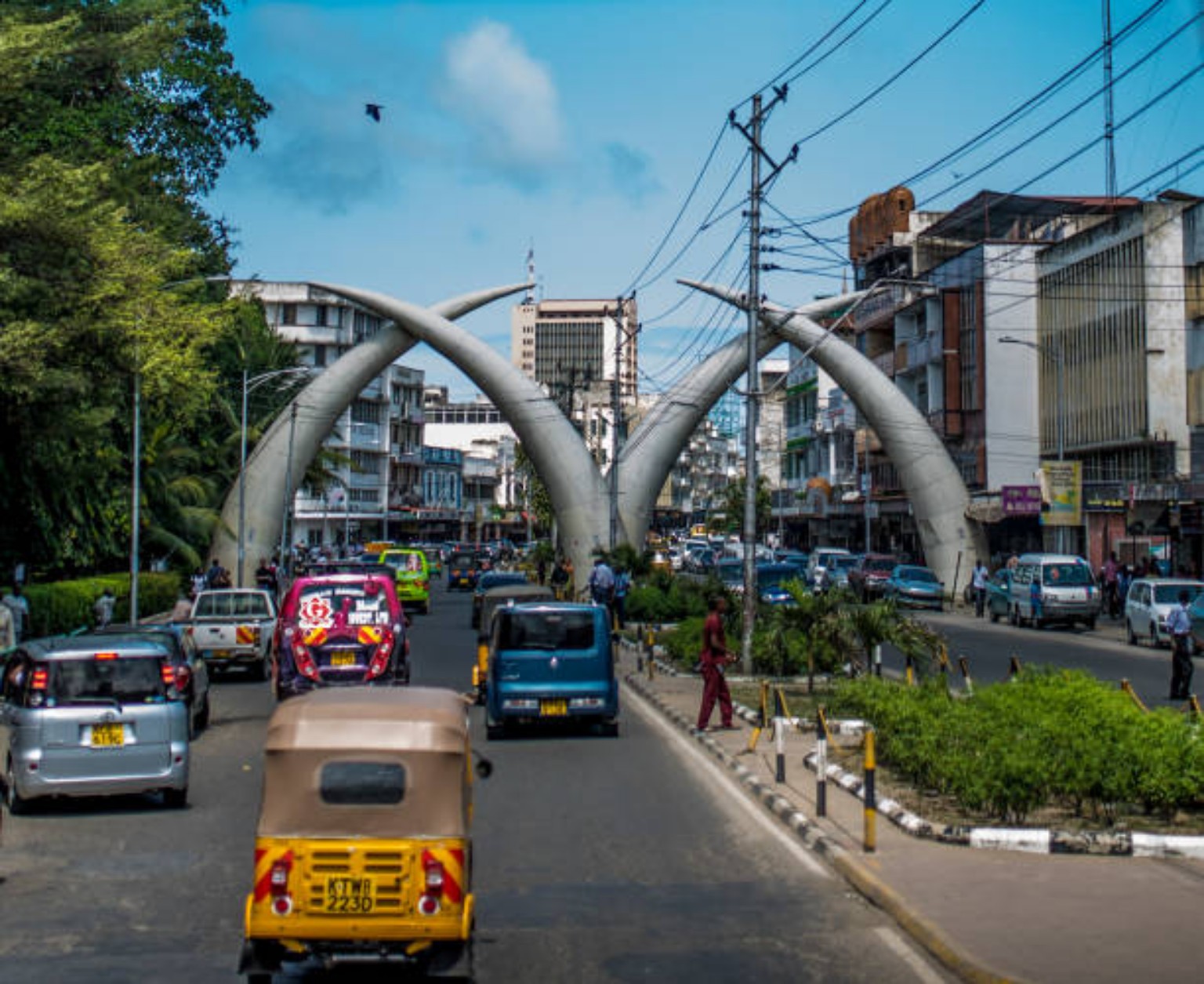
Mombasa has climbed 22 places in the global startup rankings, offering a rare bright spot for Kenya’s startup ecosystem at a time when the country’s overall position has weakened and Nairobi’s dominance remains difficult to challenge.
The coastal city ranked 894th globally in 2026, up from 916th in 2025, according to the StartupBlink Startup Ecosystem Report. Nairobi, meanwhile, slipped from 107th to 116th, while Kenya fell three places to 61st globally and second in Africa. The contrasting results point to a more complicated picture than a simple rise or fall in Kenya’s technology sector: one of its smaller urban ecosystems is making progress, but the country still depends heavily on its capital to generate startup activity, capital and scale.
Mombasa’s rise comes against a weaker national showing
Mombasa’s improvement is significant because the city is starting from a much smaller base. Its 22-place rise puts it closer to the top 900 ecosystems worldwide, but it remains far behind Nairobi in absolute scale.
StartupBlink’s assessment makes that gap particularly clear. Nairobi’s total ecosystem score is more than 36 times that of Mombasa, with the report describing Kenya’s startup landscape as highly centralized and identifying the development of stronger secondary hubs as an important structural priority.


That concentration has consequences beyond rankings. A startup ecosystem needs more than founders and ideas; it requires investors, skilled workers, customers, universities, accelerators, corporate partners and institutions that can support companies as they move from an early concept to a larger business. When most of those ingredients are clustered in one city, entrepreneurs elsewhere face a narrower pool of capital and connections, even when their local markets present viable opportunities.
Mombasa has some advantages that Nairobi cannot easily replicate. Its position as a major port city connects it to logistics, trade and regional commerce, while tourism, the blue economy and coastal industries provide potential markets for technology businesses. The challenge is turning those economic advantages into a deeper pipeline of startups, investment and supporting institutions.

Nairobi still towers over the rest of Kenya
Nairobi’s slide in the global ranking deserves attention, although it needs to be put into perspective. A position of 116th still places the Kenyan capital among the world’s more prominent startup ecosystems, and its score remains vastly greater than that of any other Kenyan city.
The bigger concern is the combination of Nairobi’s decline and Kenya’s weaker overall growth. The country ranked second in Africa behind South Africa, which placed 52nd globally, but its ecosystem recorded negative growth of 0.2%, compared with 33.5% growth in the previous year.
Egypt ranked 65th globally, Cape Verde 74th, Tunisia 84th, Mauritius 85th and Ghana 87th, illustrating how competitive the African startup landscape has become. Kenya retains considerable ecosystem strength, particularly in East Africa, but its latest performance suggests that maintaining its position will require more than relying on the advantages already built around Nairobi.
The distinction between ecosystem scale and ecosystem momentum matters here. Nairobi can remain a major technology centre while losing ground relative to cities elsewhere, just as Kenya can remain one of Africa’s leading startup markets while experiencing a period of slower growth.
Funding remains concentrated despite Mombasa’s progress
The funding picture reinforces the point. Kenyan startups raised about Sh16.3 billion in the first half of 2026, according to Africa: The Big Deal, slightly below the Sh17 billion raised during the same period in 2025.
Kenya nevertheless remained the third-largest recipient of startup funding in Africa during the period. Egypt led with about Sh42.3 billion, followed by Nigeria with Sh32.8 billion, leaving Kenya with a substantial lead over many other African markets.
Capital, however, does not automatically translate into a geographically balanced ecosystem. Nairobi’s established investor networks, technology companies, professional services, universities and international connections give founders based in the capital an ecosystem density that is difficult for other Kenyan cities to match.
That creates a chicken-and-egg problem for secondary hubs. Investors are more likely to follow a strong concentration of founders and potential deals, while founders may prefer locations where capital and experienced talent are already available. Breaking that cycle requires sustained local infrastructure and a credible pipeline of businesses rather than occasional innovation programmes or isolated funding announcements.
The challenge is building more than one startup centre
Mombasa’s ranking improvement therefore deserves attention precisely because it comes from outside Nairobi. The 22-place gain does not make the coastal city a major global startup centre overnight, but it provides evidence that Kenya’s startup story does not have to remain confined to its capital.
The next question is whether that progress can translate into a stronger local ecosystem. That means attracting investors to coastal businesses, connecting entrepreneurs with customers and corporations, strengthening technical talent and supporting companies that can grow beyond the county. It also means identifying the sectors where Mombasa has a genuine competitive advantage rather than attempting to reproduce Nairobi’s technology economy on a smaller scale.
There is a broader lesson for Kenya here. The country already has one internationally recognised startup centre; the harder task is developing several cities capable of producing and retaining companies, talent and investment. Mombasa’s improvement shows that movement is possible, but the enormous gap with Nairobi demonstrates how much work remains.
Kenya’s position as Africa’s second-ranked startup ecosystem gives it a strong foundation, yet the latest figures also expose a vulnerability. If most of the ecosystem’s weight continues to sit in one city, national growth will remain tied closely to the performance of that single hub. Building stronger secondary centres could therefore matter as much to Kenya’s next stage of startup development as attracting more capital to Nairobi.
Real ESG impact doesn’t happen in panels alone, it happens in the rooms where financiers, operators, and policymakers actually align. Our GreenShift Forum 2026 cuts the noise, bringing together the people rewiring Africa’s sustainability and energy frameworks for one focused day in Nairobi. Secure your seat.
Go to TECHTRENDSKE.co.ke for more tech and business news from the African continent and across the world.
Follow us on WhatsApp, Telegram, Twitter, and Facebook, or subscribe to our weekly newsletter to ensure you don’t miss out on any future updates. Send tips to editorial@techtrendsmedia.co.ke


