Bolt’s 10 years in Kenya: KSh19 billion invested as rides, gig work and electric mobility expand

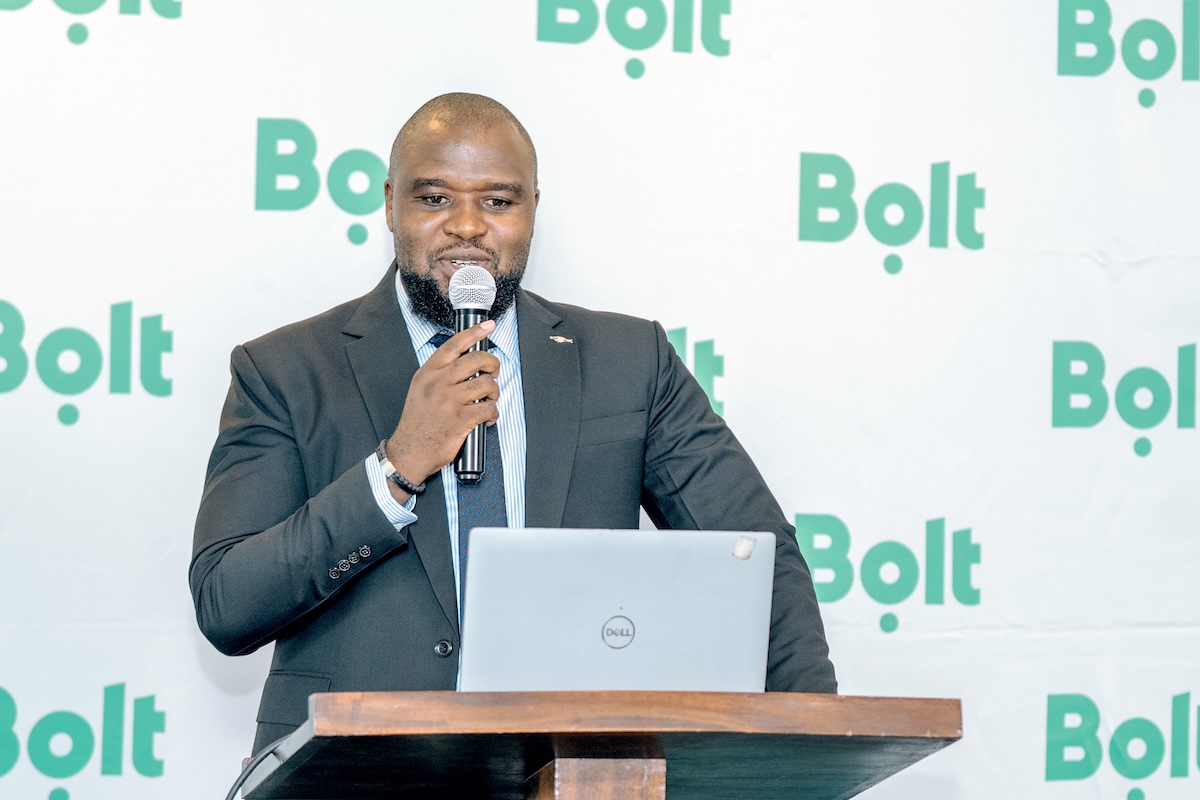
Ten years after entering Kenya, Bolt has grown from a ride-hailing newcomer into a significant part of the country’s digital mobility economy.
The company says it has invested more than KSh19 billion (€130 million-plus), connected over 8 million riders and created income opportunities for more than 170,000 drivers and couriers since launching in 2016, with its services now spanning six regions and 19 towns.
Those figures put a useful marker on how much app-based mobility has grown in Kenya. Bolt arrived when ride-hailing was still establishing itself as a credible alternative to traditional transport, but the platform now sits within a much wider ecosystem involving drivers, couriers, vehicle financiers, insurers, mobile data providers, garages, charging infrastructure and electric vehicle suppliers.
The anniversary therefore offers a chance to look at what Bolt has built in Kenya, and what the company is betting on as it enters its second decade.


Bolt’s decade in Kenya goes beyond ride-hailing
Bolt says its KSh19 billion investment has gone into technology infrastructure, driver support programmes, safety initiatives and expansion. The company also points to the economic activity surrounding its platform, including vehicle financing, insurance, smartphone purchases, data consumption and automotive servicing.
That wider footprint matters because the platform’s growth has coincided with a labour market in which digital services have become an important route into work. The 2026 Bolt Kenya & Ipsos Gig Economy Report estimates that Kenya’s gig economy supports about 1.5 million workers and generates more than KSh130 billion annually. Ride-hailing accounts for roughly 20% of that activity, making it the second-largest category after e-commerce.

The research also puts numbers behind the appeal of platform work. Bolt says 98% of ride-hailing participants surveyed by Ipsos reported an improvement in their standard of living after joining a platform, with 54% describing that improvement as significant. The report puts average monthly driver earnings at KSh63,000, while the top 20% can earn up to KSh184,000.
Those figures need some qualification. Platform earnings vary considerably depending on hours worked, vehicle type, location, demand and incentives, while gross earnings do not tell a driver how much remains after fuel, financing, insurance, maintenance and other running costs.
That distinction has surfaced repeatedly in Kenya’s ride-hailing market.
The economics of earning through a platform
Bolt’s relationship with drivers has always been tied to the economics of operating a vehicle. In 2024, the company raised fares by 10% following driver protests over earnings, while in May 2026 it announced another 6% increase, citing higher fuel costs.
There is another useful data point from Bolt’s own reporting. The company said its top 50 Kenyan drivers averaged gross monthly earnings of about KSh213,000 during the first six months of 2025. The figure included bonuses and incentives, so it cannot be directly compared with the Ipsos average, but the gap illustrates the wide range of earning outcomes available on the platform.
This is one reason the electric vehicle strategy deserves attention. Lower operating costs could alter the economics of ride-hailing for drivers, particularly when fuel prices are putting pressure on margins. The question is whether the savings from electric vehicles can outweigh the financing and acquisition costs that have traditionally made EV adoption difficult for individual drivers.
Why electric mobility matters to Bolt
Bolt’s Kenyan story is now closely connected to electric mobility. The company has expanded its electric motorcycle programme, worked with financing partners to make EV ownership more accessible and built incentives around drivers who use lower-emission vehicles.
TechTrendsKE reported in 2025 that Bolt had surpassed 500 electric motorcycles in Kenya. By early 2026, the company said 5,808 electric vehicles were operating on its platform, representing about 24% of Kenya’s estimated EV fleet at the time.
Bolt’s latest announcement makes a much larger claim, saying that seven out of every ten electric vehicles operating in Kenya do so on its platform.
The direction of travel is clear. Bolt has become an important channel through which EV manufacturers, financiers and drivers can bring electric vehicles into commercial use.
The financing question is particularly important. Earlier Bolt initiatives with partners such as M-KOPA were designed around making electric motorcycles more affordable to riders, addressing the upfront cost that can otherwise keep an EV out of reach for a driver whose income depends on daily vehicle utilisation.
If Bolt can make that model work at scale, the impact goes beyond its own fleet. A successful commercial EV model creates a case for other high-mileage transport operators to consider electrification, while giving financiers more evidence about the residual value and operating economics of electric vehicles in Kenya.
From rides to deliveries and digital commerce
Bolt’s evolution also shows in what it does beyond passenger trips.
The company has expanded its Send parcel service into additional markets, including Mombasa, and has added motorcycles to the service there. Bolt has also developed its food and retail operations, including its relationship with Quickmart, putting the platform closer to the wider on-demand delivery economy.
That matters because the same underlying infrastructure can support several types of transactions. A driver or rider can transport a passenger at one point in the day, deliver a parcel at another and participate in other forms of platform commerce depending on the services available in a particular market.
For Bolt, this creates more opportunities to use its existing network of drivers, customers, technology and payments infrastructure. For drivers and couriers, it potentially provides additional sources of work when passenger demand is weak.
The company’s decision to expand beyond Nairobi is also significant. Mombasa has become an important testing ground for this broader model, with ride-hailing, delivery and motorcycle services all receiving attention. Bolt’s stated intention to grow in secondary cities suggests that the next stage of its Kenyan business will depend partly on how well this multi-service model travels beyond the capital.
Safety has become part of the platform
A decade of ride-hailing has also changed expectations around safety.
Features such as driver selfie verification, emergency assistance, Trusted Contacts, live location sharing, dashcams and systems designed to identify unusual or high-risk activity have turned safety into a software problem as much as an operational one.
Bolt has previously reported a reduction in offline or off-app trips following the introduction of safety measures. The underlying issue is straightforward: the more activity that remains inside the platform, the more useful digital identity, location data and automated monitoring become.
That creates a second technology layer behind the visible ride-hailing service. A customer sees a car arriving through an app, but underneath that transaction are systems handling identity verification, matching, navigation, payments, location information and safety interventions.
The challenge for platforms is maintaining that infrastructure while respecting privacy and regulatory requirements around how customer and driver data is collected, stored and used.
Regulation will shape Bolt’s next decade
This is where the timing of Bolt’s anniversary is particularly interesting.
Just days before the company announced its 10-year milestone, Kenya’s High Court suspended enforcement of aspects of the country’s ride-hailing regulatory framework, including the proposed 18% commission cap and certain data-retention requirements, pending the wider legal process.
Commission levels matter because they directly affect the amount available to drivers and the revenue available to platforms. Fare increases, meanwhile, have consequences for customers, while rules governing data can affect how mobility companies build and operate their technology.
That makes regulation one of the biggest uncertainties around Bolt’s next decade in Kenya. The company wants to invest, expand into more towns, promote EV adoption and develop new services, but the commercial model supporting those investments will continue to be shaped by government policy and court decisions.
For drivers, the regulatory question is equally important. The attraction of flexible platform work has to be weighed against operating costs and the structure of the relationship between the driver and the platform. The growth of the gig economy makes that debate harder to ignore.
What Bolt’s next 10 years could look like
Bolt’s own priorities for the coming years are fairly clear: more investment in driver welfare and safety, greater use of electric and lower-emission vehicles, product innovation and expansion into secondary cities.
The company’s progress in Kenya suggests those priorities are connected rather than separate projects. EV adoption can affect driver costs; financing can determine whether drivers can actually make the transition; deliveries can create additional demand for couriers; and safety technology can strengthen the platform that connects all of them.
The bigger question is whether Bolt can continue expanding while maintaining an economic proposition that works for all sides of the marketplace. A platform can attract millions of customers, but its long-term health depends on having enough drivers and couriers willing to operate on it, customers willing to pay the resulting fares and regulators willing to accommodate the model.
After a decade, Bolt has established itself as a significant part of Kenya’s digital mobility economy. The next ten years will test whether it can turn that scale into a more sustainable platform, one where electric mobility, digital services and flexible work reinforce each other rather than simply adding more activity to an already crowded.
Real ESG impact doesn’t happen in panels alone, it happens in the rooms where financiers, operators, and policymakers actually align. Our GreenShift Forum 2026 cuts the noise, bringing together the people rewiring Africa’s sustainability and energy frameworks for one focused day in Nairobi. Secure your seat.
Go to TECHTRENDSKE.co.ke for more tech and business news from the African continent and across the world.
Follow us on WhatsApp, Telegram, Twitter, and Facebook, or subscribe to our weekly newsletter to ensure you don’t miss out on any future updates. Send tips to editorial@techtrendsmedia.co.ke