
B Lab Africa launches seventh cohort as African SMEs face growing pressure to build sustainability into business

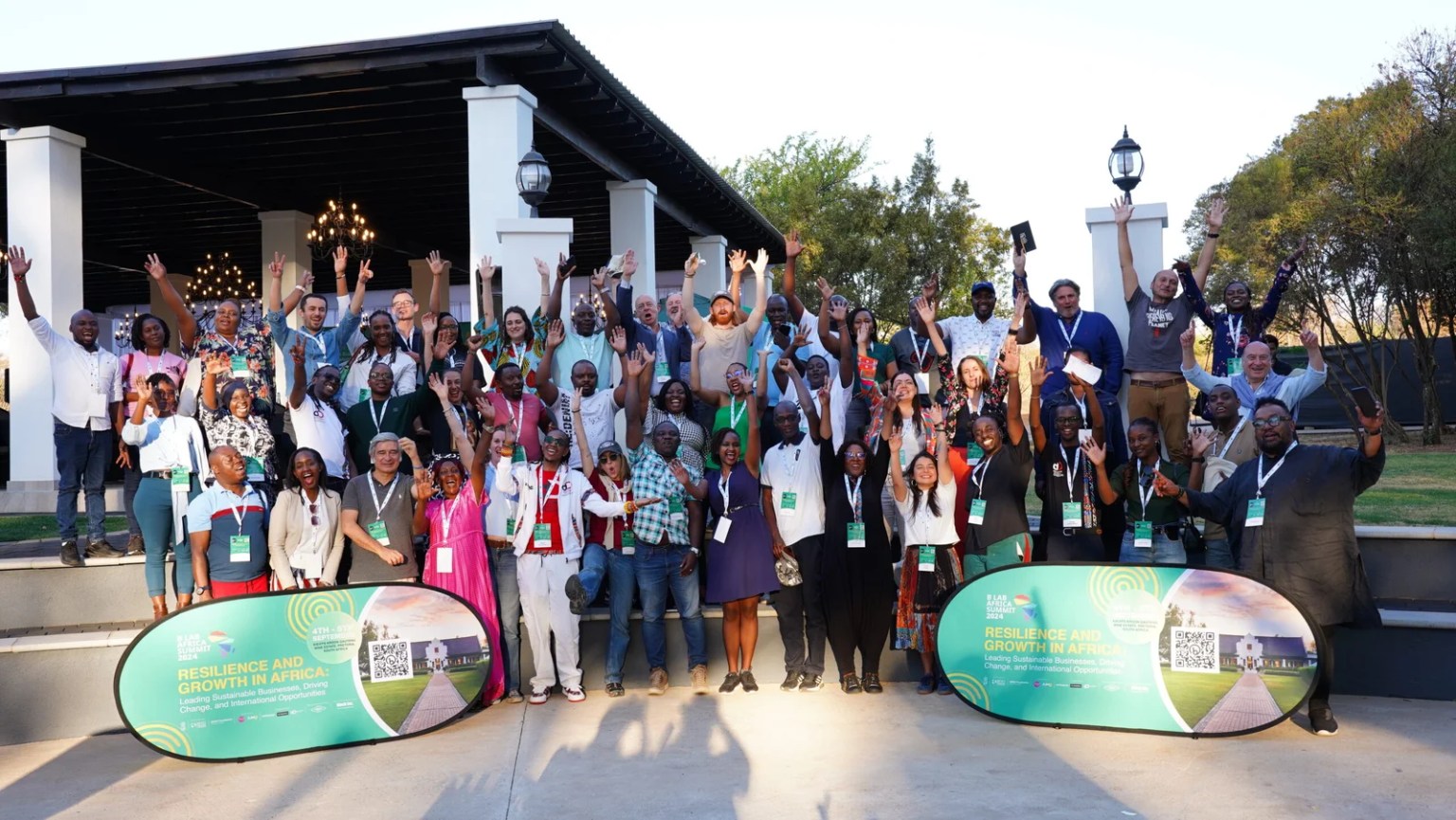
B Lab Africa has opened applications for the seventh cohort of its Resilient Sustainable Business (RSB) Programme, a nine-week initiative designed to help African SMEs build sustainability into their operations, strengthen resilience and prepare for investment.
The programme comes as the African B Corp community continues to grow, with 112 companies now certified B Corps, a 25% increase over the past year. Since the RSB Programme launched in 2025, 211 business leaders from 195 businesses across nine African countries have completed the programme, while 17 participants have gone on to pursue full B Corp certification.
Why B Lab Africa is targeting SMEs
African SMEs face a combination of financial, regulatory and operational pressures that can make long-term sustainability difficult to prioritise.
B Lab Africa’s RSB programme materials identify limited access to finance, complex regulatory and policy environments, gaps in skills and knowledge, and challenges around credibility and authenticity as some of the barriers facing businesses. The programme is positioned as a way for companies to address those challenges while connecting sustainability with growth and business impact.


For smaller companies, the pressure is also coming from customers, lenders and investors seeking more information about how businesses operate.
Climate risks, rising insurance and input costs, tighter buyer requirements and changing expectations around responsible business can create additional demands for SMEs that often lack the compliance teams and reporting budgets available to larger companies.

Businesses selling into international markets face another layer of pressure through evolving European due diligence requirements and carbon-related trade rules.
The RSB Programme is built around this gap. Rather than treating sustainability as a standalone reporting exercise, it approaches it through areas such as risk management, operating costs, governance, supply chains, reputation and access to capital.
Putting sustainability into everyday business decisions
The programme combines expert-led sessions with practical, real-world application in a nine-week hybrid format.
Participants cover six areas: impact measurement and management, high-performance culture, sustainable supply chains, responsible branding and marketing, financing sustainable practices, and impact selling.
The programme also uses the B Impact tool, the same framework associated with B Corp certification, allowing participants to assess their organisations and develop practical improvement plans.
Its teaching team brings together practitioners with experience across different parts of sustainable business. Dr Kuzi Charamba focuses on financing sustainable solutions, Michel Barth on high-performance culture, Tumisang Makofane on impact selling, Charlie Stewart on responsible marketing, and Chloé Andriamihaja on sustainable supply chains. Tatyana Kathurima and Melaney Oldenhof cover impact measurement and management.
The programme combines online learning with two in-person sessions in Kenya and South Africa. Participants from other African markets can take part virtually.
That practical focus is illustrated by an example from Cohort 6. David Eliskia Mbaga of Attitude Hotels Tanzania identified food waste as both an environmental and financial issue for the hotel. His proposed starting point was to measure food waste in the staff canteen, creating a clearer picture of the volume and causes before deciding how to reduce it.
For an SME, that kind of exercise can connect sustainability directly to operational costs and management decisions.
A growing pan-African business network
The RSB Programme has already reached businesses across several African markets.
Earlier programme material identified participants in Kenya, South Africa, Mauritius, Nigeria, Tanzania and Ghana, illustrating the programme’s reach beyond its core markets.
B Lab Africa’s wider work also places the programme within a broader conversation around sustainable finance, impact measurement, climate action and responsible business.
Its previous summit programming has brought together businesses, investors, policymakers and impact practitioners around issues including sustainable finance, ethical governance, impact measurement and international market opportunities. The organisation’s 2024 summit also highlighted the need for stronger green financing, better impact measurement and policies that support sustainable businesses.
That wider focus matters because SMEs often need more than awareness of sustainability. They need practical systems for measuring impact, managing risks, improving operations and demonstrating their progress to the organisations that finance or buy from them.
Africa’s B Corp community reaches 112 companies
The expansion of the RSB Programme comes alongside growth in B Corp certification across Africa.
B Lab Africa says 112 African companies are now certified B Corps, representing a 25% increase over the past year. More than 7,600 businesses across the continent use B Lab’s B Impact and SDG Action Manager tools.
The RSB Programme provides a pathway for businesses that want to strengthen their sustainability practices without necessarily starting with full B Corp certification. At the same time, the 17 participants who have progressed towards certification show how the programme can become a stepping stone for companies seeking the more formal B Corp assessment.
That combination of practical training and a potential route towards certification gives the programme relevance for SMEs at different stages of their sustainability journey.
Applications open for Cohort 7
Cohort 7 targets African SMEs, with Kenya, Mauritius and South Africa identified as core markets. The programme is open to participants from across Africa, with the in-person sessions taking place in Kenya and South Africa and the remaining modules delivered online.
Applications close on 9 September 2026.
The programme fee stated in B Lab Africa’s September 2 announcement is US$400, approximately KSh52,000 or ZAR6,500. Group rates are available for partners and networks purchasing three or more spaces.
The seventh cohort builds on six previous cohorts that have brought hundreds of African business leaders into a programme focused on making sustainability part of how companies operate, finance themselves, manage risk and pursue growth.
For SMEs facing pressure from customers, financiers and international markets to provide greater visibility into their environmental and social practices, the RSB Programme offers a structured way to bring those issues into everyday business decisions.
Real ESG impact doesn’t happen in panels alone, it happens in the rooms where financiers, operators, and policymakers actually align. Our GreenShift Forum 2026 cuts the noise, bringing together the people rewiring Africa’s sustainability and energy frameworks for one focused day in Nairobi. Secure your seat.
Go to TECHTRENDSKE.co.ke for more tech and business news from the African continent and across the world.
Follow us on WhatsApp, Telegram, Twitter, and Facebook, or subscribe to our weekly newsletter to ensure you don’t miss out on any future updates. Send tips to editorial@techtrendsmedia.co.ke


