Kenyan banks accelerate real-time payments as speed and security become everyday expectations

Kenyan banks are ramping up investment in instant payment systems as customers increasingly expect money transfers to happen as fast as sending a text message.
Transfers between bank accounts once took up to a full working day to clear. That delay is no longer acceptable to customers, from businesses paying suppliers early in the morning to individuals splitting dinner bills with friends.
The shift has been driven by instant payment systems such as PesaLink and improvements to Kenya’s national payments infrastructure, including the Kenya Electronic Payment and Settlement System (KEPSS).
These upgrades allow banks, SACCOs, fintech wallets and other payment platforms to process transactions around the clock and settle across institutions.
Pricing has also become simpler. Many banks now offer free PesaLink transfers up to KSh1,000, with a flat KSh20 charge applied above that threshold, replacing older fee structures based on transfer size.


Convenience has become as important as speed. Customers expect to move seamlessly between mobile apps, online banking portals, payment cards and merchant point-of-sale systems without friction.
Businesses want suppliers paid instantly, retailers want faster settlement, and individual customers want to pay bills, transfer funds, manage cards and monitor accounts from a single digital interface. Demand is also growing for banking services to integrate directly into accounting and payroll applications through APIs.

Security keeping pace with speed
As transaction volumes rise, banks are layering multiple security measures rather than relying on a single safeguard. These include one-time passwords, biometric authentication, chip-and-PIN, 3D Secure for online card payments, tokenisation, encryption and real-time fraud monitoring.
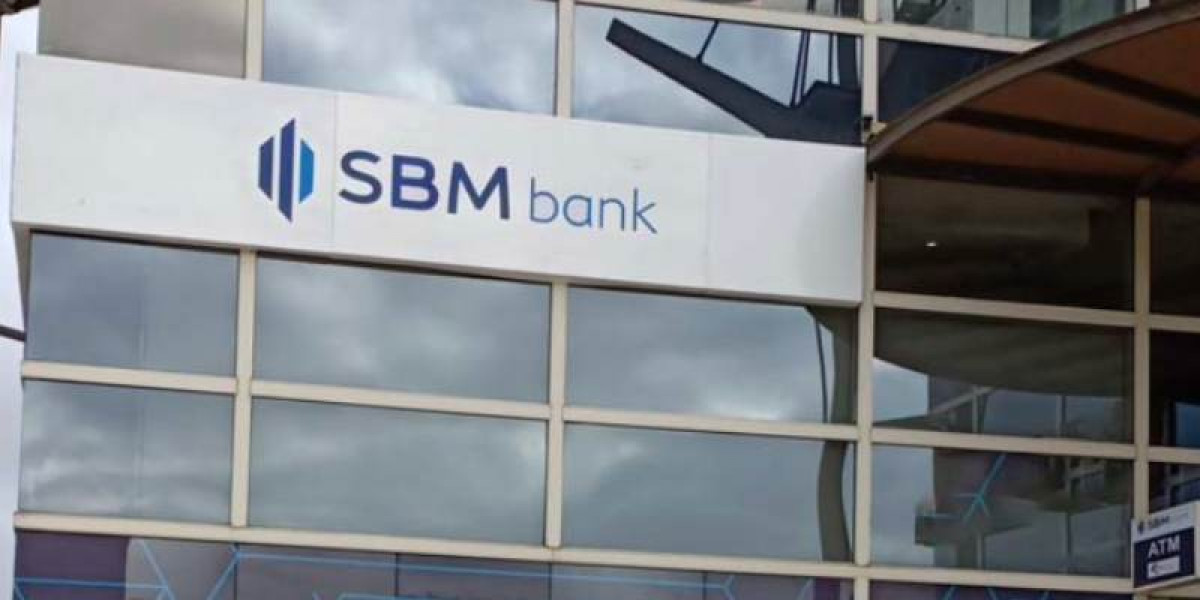
SBM Bank Kenya has expanded its digital payments offering through its Mfukoni platform and Mastercard portfolio, combining OTP authentication, biometric login, chip-and-PIN security and 3D Secure authentication.
The bank’s app allows customers to receive real-time push, SMS and email alerts for account and card activity, block or unblock cards, adjust spending limits, restrict international usage and monitor transactions, alongside continuous fraud monitoring and risk-based authentication.
Technology alone cannot eliminate fraud risk. Criminals continue to adapt through phishing emails, fake customer care calls, malicious links and SIM swap fraud, making customer awareness an important complement to bank-side security measures.
APIs are also reshaping how banking services are delivered behind the scenes, allowing businesses to connect bank accounts directly to accounting software, automate payroll, reconcile payments in real time and embed financial services into their own platforms.
Digital platforms are additionally enabling merchant collections and bulk payments, helping businesses manage cash flow with less manual processing.
The Central Bank of Kenya’s National Payments Strategy has prioritised interoperability and innovation across the financial sector, while the migration to ISO 20022 messaging standards is improving the quality of payment information exchanged between institutions, laying the groundwork for faster and more secure payment services across Kenya’s financial system.
Download the FREE Kaspersky Next Enterprise Security Guide here to explore the complete framework for simplifying security operations and building cyber resilience.
Go to TECHTRENDSKE.co.ke for more tech and business news from the African continent and across the world.
Follow us on WhatsApp, Telegram, Twitter, and Facebook, or subscribe to our weekly newsletter to ensure you don’t miss out on any future updates. Send tips to