

NTSA could lose accident investigation role under proposed transport safety Bill

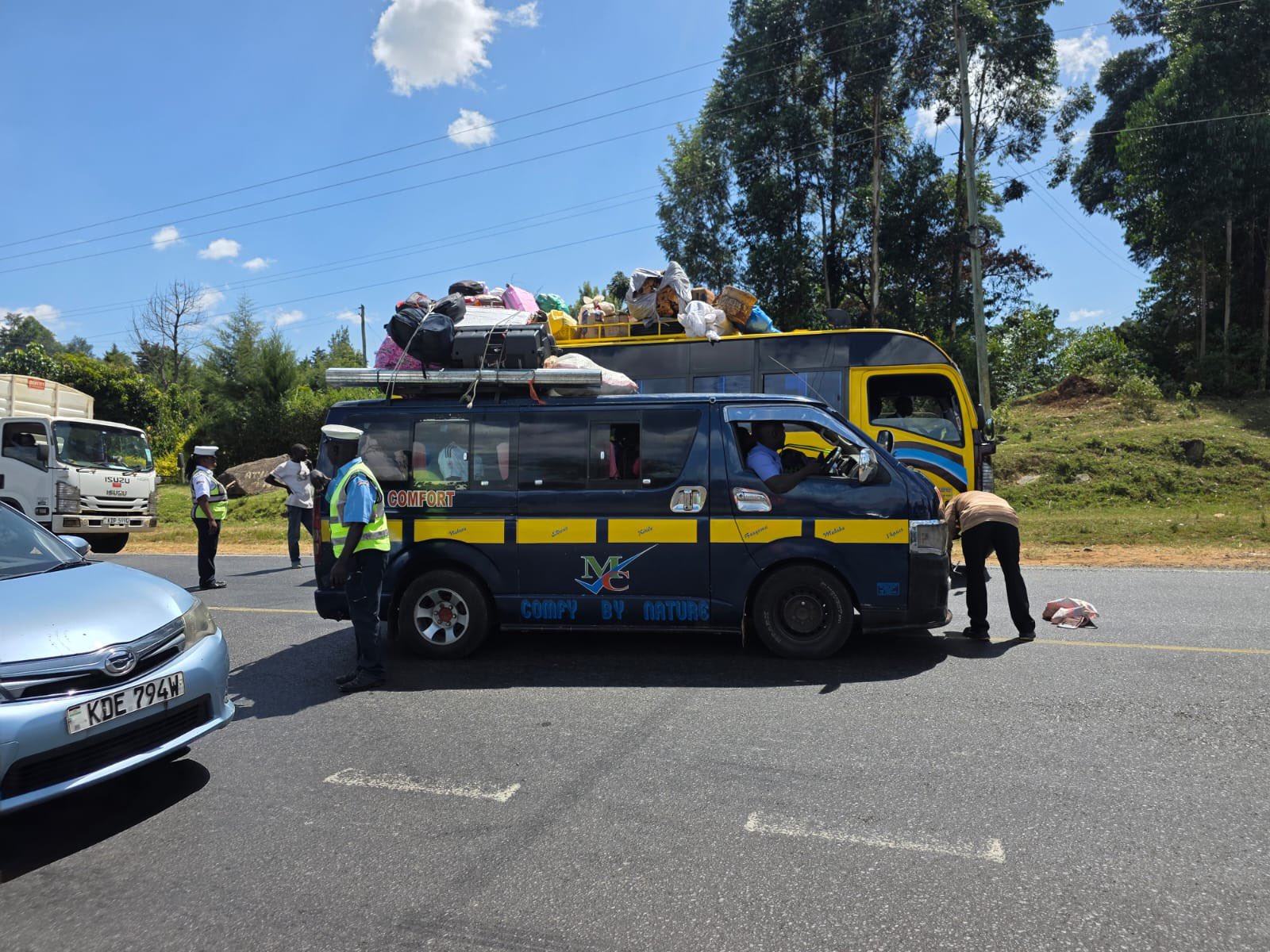
Parliament is considering legislation that would fundamentally change how serious transport accidents are investigated in Kenya by transferring that responsibility from regulators such as the National Transport and Safety Authority (NTSA) to a new independent body. The Kenya Transportation Safety Board Bill proposes establishing a single agency to investigate road, rail, air and maritime accidents while leaving existing regulators to continue overseeing compliance, licensing and enforcement. The proposal is now under parliamentary review as lawmakers examine both its policy objectives and the cost of creating a new institution.
The Bill came before the National Assembly’s Budget and Appropriations Committee on Thursday as members assessed the financial implications of establishing the proposed Kenya Transportation Safety Board before it proceeds through the legislative process. The committee, chaired by Vice Chairperson Robert Pukose, agreed that broader stakeholder engagement would be necessary before Parliament considers the legislation further.
If enacted, the new Board would assume accident investigation duties that are currently carried out by agencies including NTSA, the Kenya Civil Aviation Authority and the Kenya Maritime Authority. Those organisations would retain their statutory responsibilities for regulation and enforcement, but they would no longer be responsible for determining the causes of major transport accidents.
Supporters of the proposal argue that separating investigations from regulation would produce more objective findings and help identify weaknesses across the transport system rather than focusing only on individual drivers or operators. Presenting the Bill, Limuru MP John Kiragu said Kenya has experienced repeated transport tragedies without having an institution dedicated to carrying out comprehensive, independent investigations that examine every contributing factor.
According to Kiragu, the proposed Board would examine issues such as road design, vehicle condition, maintenance practices, operational procedures and human behaviour before publishing recommendations aimed at preventing similar accidents. Enforcement agencies would then decide what regulatory or legal action should follow based on those findings.
The approach resembles accident investigation systems used in several countries where investigators operate independently from regulators. In the United States, for example, the National Transportation Safety Board investigates transport accidents and issues safety recommendations, while regulatory agencies and law enforcement bodies remain responsible for enforcement, certification and prosecution where necessary.
Not all lawmakers are convinced that establishing another agency is the right solution. Eldas MP Adan Keynan questioned whether the proposal risks duplicating responsibilities already assigned to existing institutions, arguing that Kenya’s challenge may lie more in implementing current transport laws than in creating additional bodies.
Keynan urged Parliament to review the responsibilities of existing agencies before approving another institution that could create jurisdictional overlap. Questions such as which agency secures an accident scene, who leads technical investigations and how responsibilities are shared between investigators, regulators and police would need to be clearly addressed if the legislation becomes law.
Beyond institutional responsibilities, lawmakers are also weighing the financial implications of establishing the Board. A national accident investigation agency would require specialist investigators, technical equipment, forensic capability, administrative support and sustained operational funding, making the Budget and Appropriations Committee’s review a key stage before the Bill advances.
Should the legislation pass, Kenya would move towards a model that separates accident investigations from regulatory oversight across all major modes of transport. That could provide a broader understanding of why accidents occur by examining infrastructure, equipment, operational systems and human factors together, rather than treating each incident solely as a matter of compliance or driver conduct.
The proposal, however, remains at an early stage of the legislative process. Parliament has not approved the Bill, and members have indicated that wider consultations with transport agencies and other stakeholders will take place before it returns for further debate. Until then, NTSA and the existing transport regulators will continue performing their current investigation and enforcement functions under the law.
Go to TECHTRENDSKE.co.ke for more tech and business news from the African continent and across the world.
Follow us on WhatsApp, Telegram, Twitter, and Facebook, or subscribe to our weekly newsletter to ensure you don’t miss out on any future updates. Send tips to editorial@techtrendsmedia.co.ke


