
Vodacom Raises Growth Targets After Completing Safaricom Acquisition

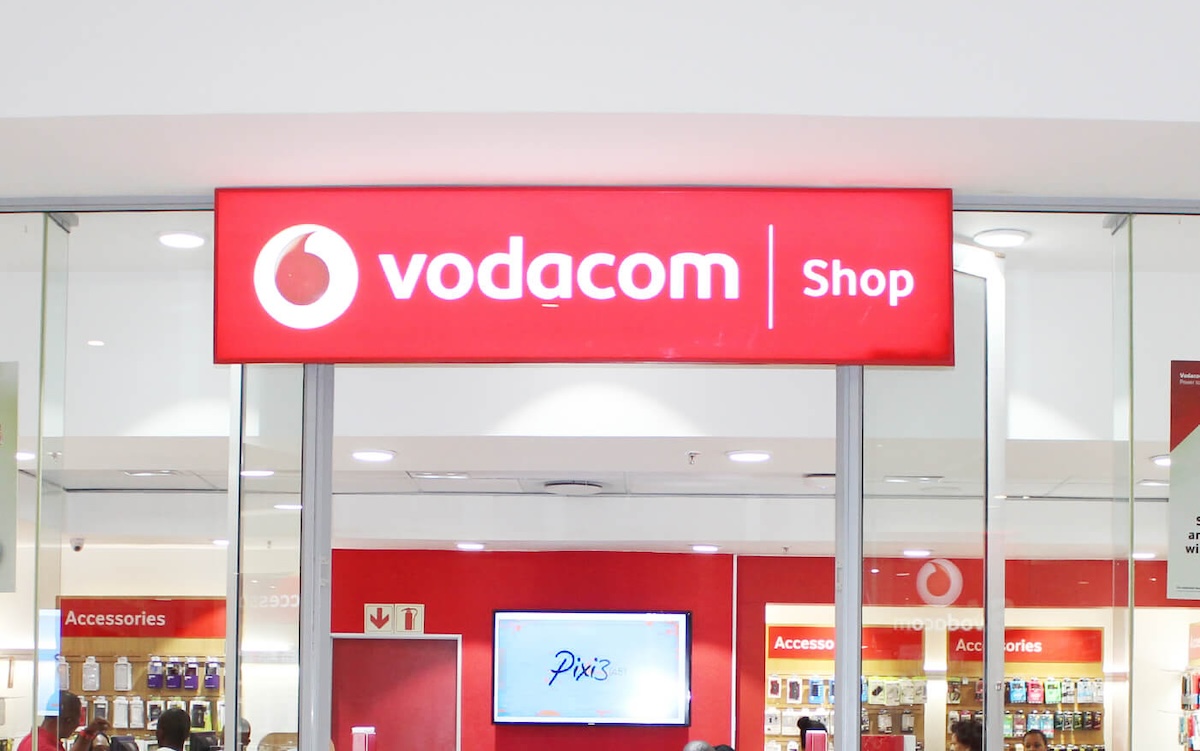
Vodacom has raised its medium-term growth ambitions less than a month after completing the Vodacom Safaricom acquisition, offering one of the clearest indications yet of how central Kenya’s largest telecom operator has become to the group’s long-term strategy.
Reporting first-quarter results for the period ended June 30, 2026, Vodacom said group revenue rose 5.9% year over year to ZAR42.4 billion, while service revenue climbed 6.3% to ZAR34.3 billion. On a normalized basis, service revenue grew 12.6%, supported by strong performances in Egypt, international markets and financial services.
The company also confirmed that its acquisition of an additional 20% stake in Safaricom, which raised its ownership to 55%, became effective on June 30. Following the transaction, Vodacom increased its Vision 2030 revenue ambition from more than ZAR200 billion to more than ZAR300 billion and raised its medium-term EBITDA and operating free cash flow growth targets from double-digit to early-teens growth.
For investors, those revised targets matter more than the ownership percentage itself. They show Vodacom now expects Safaricom to contribute more materially to earnings, cash generation and digital services growth than it did before becoming the controlling shareholder.


Group CEO Shameel Joosub said the acquisition strengthens Vodacom’s geographic diversification while expanding its exposure to higher-growth digital and financial services businesses across Africa.
That confidence extends beyond Kenya’s mature mobile market.

Since completing the transaction, Safaricom has also aligned its governance structure with its new ownership framework. Vodafone Kenya Limited now holds majority influence over board appointments and executive leadership, while the Government of Kenya retains oversight over strategic matters such as expansion beyond Kenya and Ethiopia.
The arrangement gives Vodacom greater operational influence without removing safeguards around decisions considered strategically important.
Financial services remain one of Vodacom’s fastest-growing businesses.
Revenue from the segment rose 17.8% during the quarter to ZAR4.5 billion. Across the group, including Safaricom, Vodacom’s mobile money platforms processed transactions worth approximately US$547.9 billion over the past 12 months.
That scale illustrates why the acquisition extends well beyond mobile connectivity.
Safaricom contributes one of Africa’s most established digital financial ecosystems through M-PESA, merchant payments, consumer financial products and enterprise services. The company has also been consolidating telecom and financial services inside My OneApp, creating a single platform that brings together payments, connectivity and partner services instead of relying on separate customer applications.
For Vodacom, that platform strategy complements similar efforts across its African markets to generate more revenue from digital services alongside traditional telecom operations.
Businesses beyond mobile connectivity, including financial services and fixed broadband, generated ZAR7.8 billion during the quarter, representing almost 23% of group service revenue. Financial services remained the largest contributor.
The timing of Vodacom’s upgraded guidance also reflects improving prospects in Ethiopia.
Safaricom has invested roughly KSh158 billion in the Ethiopian operation since entering the market, making it the consortium’s largest financial backer. During the last financial year, the business reduced annual losses from KSh36 billion to KSh21.2 billion while growing revenue to KSh14 billion and expanding its active customer base to 13.6 million.
Management expects the operation to reach break-even by March 2027.
Those figures help explain why Vodacom appears more confident about raising its long-term targets. Ethiopia is moving from an investment-heavy phase toward one where the business has a clearer path to contributing to group earnings.
Safaricom has also begun reducing deferred vendor obligations tied to network infrastructure while making greater use of local borrowing, another indication that the business is progressing beyond its initial build-out stage.
Vodacom’s revised ambitions also align with the way Safaricom has been allocating capital.
The Kenyan operator has prioritized investment in network infrastructure, digital platforms and Ethiopia while maintaining a dividend-focused approach for shareholders. Earlier this month, the company proposed changes to its Articles of Association that would prevent retained earnings from being used for share buybacks, reinforcing management’s preference to direct capital toward business expansion rather than reducing its share count.
That philosophy complements Vodacom’s own strategy.
As digital services contribute a larger share of revenue, owning a controlling interest in Safaricom provides exposure to assets that extend beyond voice and data. Fixed broadband, enterprise services, fintech and digital platforms are becoming more important contributors to future growth.
Vodacom also continued investing in broadband infrastructure through Maziv, committing an additional ZAR800 million toward completing the Herotel transaction as it expands fiber connectivity in South Africa.
The board also updated its dividend policy to distribute at least 65% of headline earnings, reflecting greater confidence in future cash generation following the Safaricom transaction.
The first quarter does not establish a long-term trend, but Vodacom’s revised financial ambitions provide an early indication of how management views the acquisition.
Investors will now be watching whether Safaricom’s Ethiopian business reaches profitability on schedule, whether digital financial services continue outpacing traditional telecom revenue and how effectively the company expands platform businesses such as My OneApp across a more mature mobile money market.
Those factors will determine whether the higher Vision 2030 targets become achievable.
For now, Vodacom’s latest results suggest the company believes the acquisition has already strengthened the foundations for its next phase of growth, with Safaricom expected to play a much larger role in delivering that outcome.
Download the free Kaspersky SMB Cybersecurity Guide here to learn how businesses can move beyond traditional antivirus and build a more resilient approach to cybersecurity.
Go to TECHTRENDSKE.co.ke for more tech and business news from the African continent and across the world.
Follow us on WhatsApp, Telegram, Twitter, and Facebook, or subscribe to our weekly newsletter to ensure you don’t miss out on any future updates. Send tips to editorial@techtrendsmedia.co.ke


