
Apple's iOS 27 Puts Siri AI Front and Center While Smoothing Out the Rest of the iPhone
While Siri AI takes much of the spotlight, iOS 27 also brings faster app launches, improved search, updated parental controls and continued support for older iPhones.

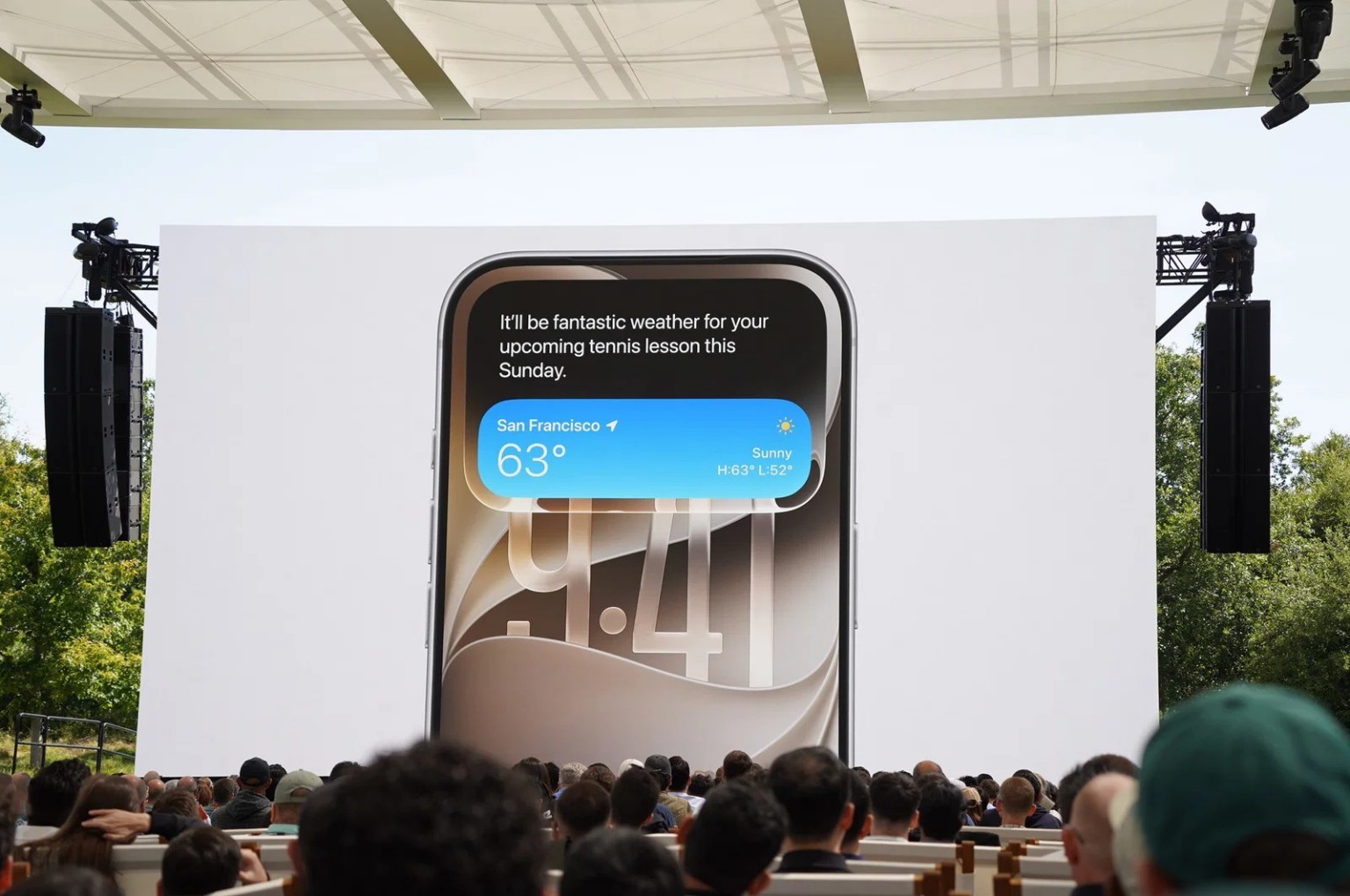
Apple used WWDC 2026 to position iOS 27 as a broad update to the iPhone experience, combining performance improvements, expanded parental controls, design refinements and a new generation of Apple Intelligence features led by Siri AI.
The software update will run on devices dating back to the iPhone 11 lineup, extending support across several generations of hardware while introducing tools that Apple says are designed to make the iPhone faster, more responsive and more context-aware.
Performance was one of the first themes Apple highlighted. The company said iOS 27 includes optimizations across memory management, processor utilization, networking and display rendering. Apple says those changes reduce app launch times by as much as 30 percent and accelerate AirDrop transfers by up to 80 percent. The company is also improving transitions between Wi-Fi and cellular networks and reducing delays in tasks such as loading photos and opening the camera.
The update also revisits Liquid Glass, the interface language introduced in the previous release. Apple is adding a user-controlled opacity slider that allows people to adjust the transparency of interface elements. The change follows criticism from some users who said earlier versions prioritized visual effects at the expense of readability.


Alongside design changes, Apple devoted significant attention to online safety tools aimed at families. New child account controls allow parents to determine which apps are available to younger users, restrict access to websites and manage messaging permissions. Apple is also introducing developer tools that support age-appropriate experiences inside third-party applications. The company said the changes are intended to give families more control as children gain access to connected devices at younger ages.
The largest software additions arrive through Apple Intelligence and Siri AI. Apple describes Siri AI as a rebuilt version of its voice assistant with stronger conversational capabilities, awareness of what is displayed on screen and a deeper understanding of personal context. On iPhone, Siri AI can be accessed through a new interface connected to Dynamic Island, while a dedicated Siri application stores conversation history across Apple’s ecosystem.

Apple is positioning Siri AI as an integrated assistant embedded throughout the operating system rather than a standalone chatbot. The company says users can invoke Siri while moving between apps, use it to understand content currently visible on screen and continue interactions across devices including the iPhone, iPad and Mac.
Apple has also provided additional detail about the technology behind Siri AI, describing it as an Apple-developed system that combines on-device and cloud-based models within its Private Cloud Compute framework. While the company has worked with Google on parts of the broader AI infrastructure supporting Apple Intelligence, Apple says Siri AI remains integrated into its own software, privacy and computing architecture.
Apple also says requests are processed through a combination of on-device intelligence and Private Cloud Compute, a privacy architecture the company continues to present as a key differentiator for its AI efforts.
Apple is also extending AI-powered features into several core apps. Safari can organize large collections of tabs by topic and monitor webpages for changes. The Phone app can surface contextual information during calls, while Messages, Mail and Calendar gain tools that use personal context to suggest actions and streamline routine tasks.
Photos is receiving one of the larger Apple Intelligence upgrades in the release. Apple is expanding its editing tools with more advanced object removal, image reframing and composition adjustments powered by generative AI. The company says some editing tasks can run directly on the device while more demanding operations can use Private Cloud Compute, reflecting the hybrid processing model that underpins many of its new intelligence features.
Shortcuts receives one of the more notable upgrades in the release. Users can create automations using natural language rather than manually assembling workflows, lowering the barrier to one of Apple’s most powerful productivity tools. The feature reflects Apple’s broader effort to make advanced software capabilities accessible through everyday language rather than technical configuration.
Search is another area receiving extensive changes. Apple has rebuilt parts of the indexing infrastructure that powers Spotlight, Photos and Mail, allowing content stored on a device to be catalogued more quickly and used across Apple Intelligence experiences. The company presented those improvements as part of the foundation supporting Siri AI’s ability to understand context across apps, documents, messages and personal data.
The expanded search architecture also points to a wider shift in how Apple is approaching intelligence features. Rather than existing as separate destinations, Siri, Spotlight and other services increasingly draw from the same understanding of user activity and content across the device, allowing intelligence features to operate more naturally inside everyday workflows.
The Home app is also gaining new capabilities. Supported security cameras can record and stream in 4K resolution, while Apple Intelligence can generate descriptions of recorded footage, connect related clips from multiple cameras and allow users to search recordings using natural language.
Additional updates include custom equalizer controls for supported AirPods models, larger widget sizes, improved shared photo libraries and new health features that provide insights related to perimenopause through cycle tracking.
Developer betas are available immediately, with public beta testing scheduled to begin in July. Apple expects iOS 27 to reach general availability later this year as part of its annual software release cycle.
With support extending back to the iPhone 11 and changes spanning performance, safety, automation and artificial intelligence, iOS 27 arrives as one of Apple’s most comprehensive platform updates in recent years. While Siri AI is the headline addition, the release also reveals Apple’s broader direction: embedding intelligence deeper into the operating system through search, context awareness and cross-device continuity rather than treating AI as a separate destination on the iPhone.
Go to TECHTRENDSKE.co.ke for more tech and business news from the African continent and across the world.
Follow us on WhatsApp, Telegram, Twitter, and Facebook, or subscribe to our weekly newsletter to ensure you don’t miss out on any future updates. Send tips to editorial@techtrendsmedia.co.ke


